
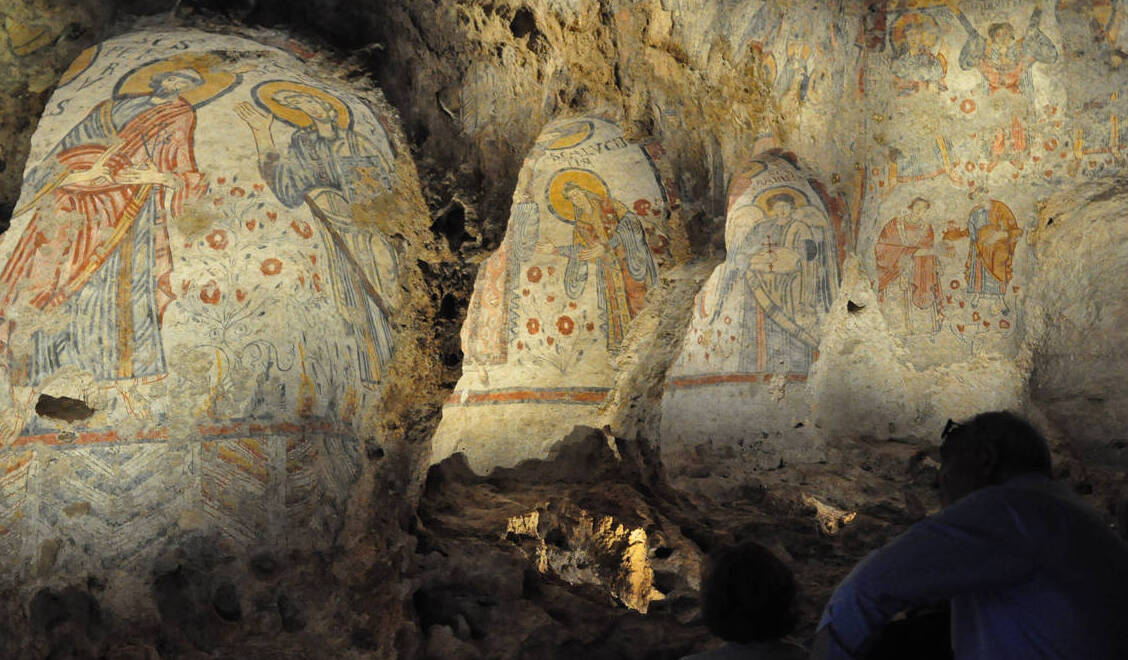

Nestled deep in the ancient landscape of Matera, Italy, the Crypt of Original Sin is a breathtaking testament to the region's rich spiritual and artistic heritage. Often referred to as the "Sistine Chapel of cave art," this hidden treasure offers a glimpse into the past, showcasing the profound connection between faith, art, and the rugged beauty of the Basilicata region.
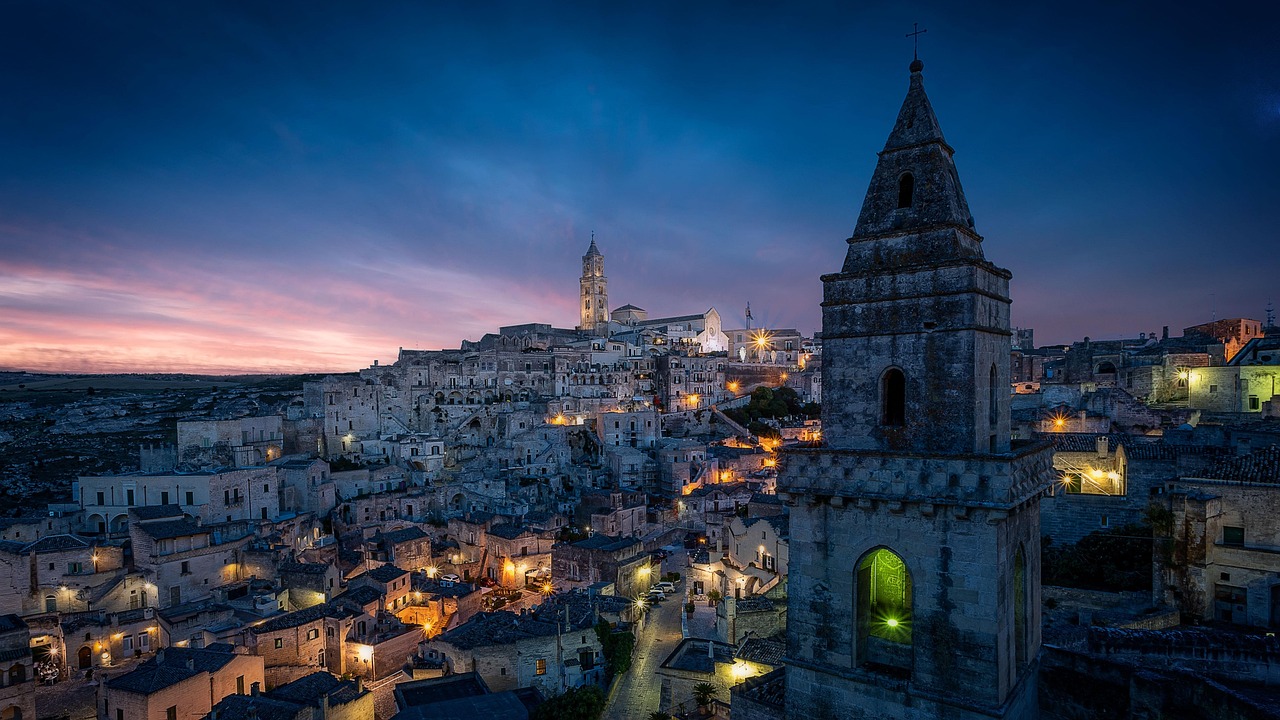
### History and Origins Dating back to the Lombard period, the Crypt of Original Sin was part of a Benedictine rock coenoby, a monastic community that thrived in the 8th and 9th centuries. Its secluded location reflects the ascetic lifestyle of the monks who once inhabited these caves, seeking spiritual solace away from the distractions of the world. As Christianity spread through Italy, these rock-cut monasteries became vital centers of learning and worship.
The crypt itself was largely forgotten until its rediscovery in the late 20th century. The intricate frescoes within its walls provide invaluable insight into the religious and artistic practices of this era. They not only illuminate the spiritual beliefs of the time but also mark a significant transition in early medieval art as it began to emerge from the shadows of antiquity.
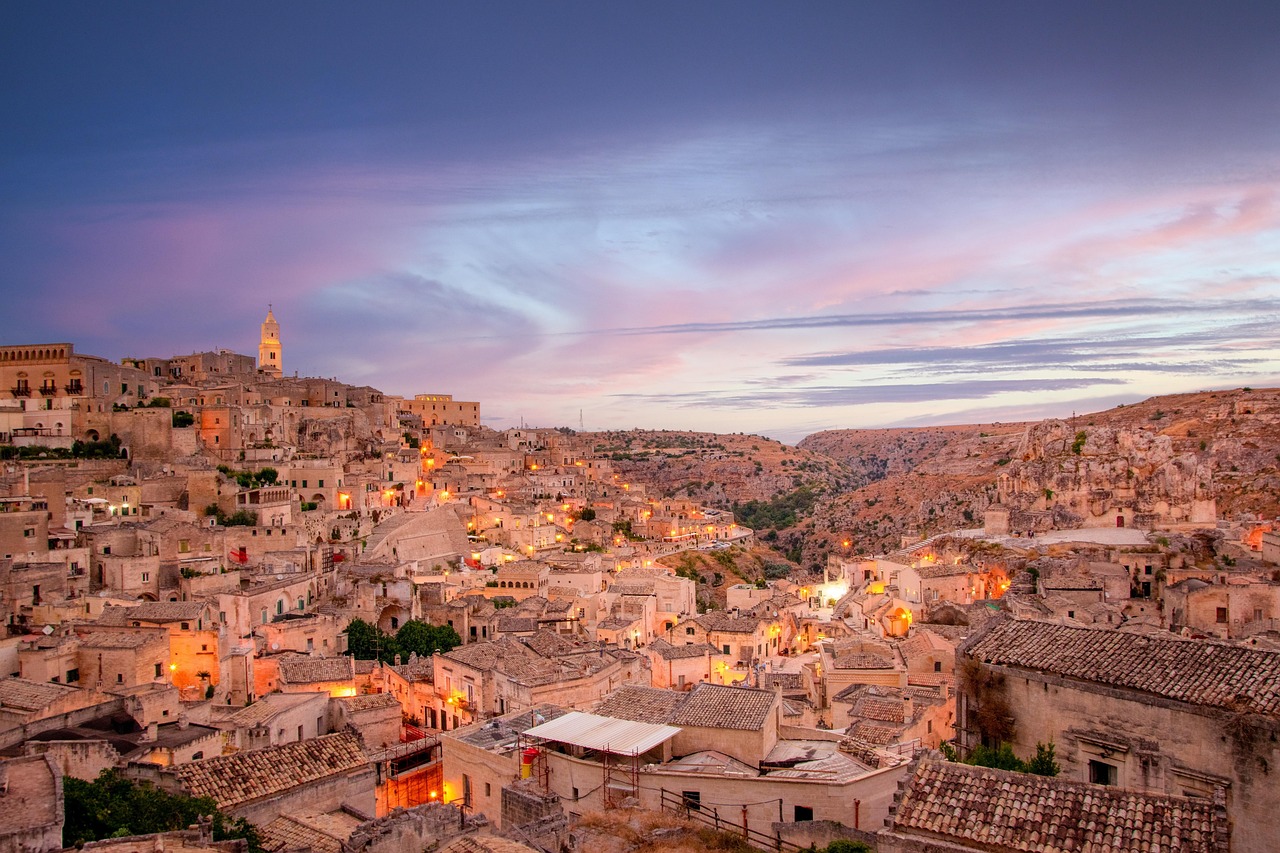
### Art and Architecture The architectural style of the Crypt of Original Sin is emblematic of the region's rock-cut churches, characterized by their organic integration into the surrounding limestone cliffs. The crypt’s interior is adorned with a stunning cycle of frescoes attributed to the elusive Flower Painter of Matera, whose artistry encapsulates the essence of Benedictine-Benevento art.
As visitors step inside, they are immediately captivated by the left wall, which features three niches depicting the triarchies of the Apostles, the Virgin Queen, and the Archangels. Each figure is rendered with meticulous detail, showcasing the vibrant colors that have endured the test of time.
The back wall is perhaps the most striking, dominated by a dramatic cycle illustrating the episodes of Creation and Original Sin. These vivid scenes invite contemplation and reflection, as they echo the theological themes that pervaded early Christian thought. The use of color and form in these frescoes is not only artistically significant but also offers a window into the spiritual fabric of the era.
### Local Culture and Traditions Matera's local culture is steeped in ancient traditions that continue to thrive today. The city, known for its Sassi (stone dwellings), celebrates numerous festivals that showcase its unique heritage. The Festa della Bruna, held on July 2nd, is one of the most prominent, drawing crowds to witness the spectacular procession honoring the city’s patron saint, Santa Maria della Bruna.
During this festival, locals dress in traditional costumes and engage in vibrant dances, blending history and community spirit. The atmosphere is electric, with the scent of local delicacies wafting through the streets, inviting visitors to indulge in the region’s culinary offerings.
### Gastronomy Matera is not just a feast for the eyes; its gastronomy is equally captivating. Pane di Matera, a traditional sourdough bread, is a must-try, known for its distinct flavor and crusty exterior. It pairs beautifully with local cheeses, such as Caciocavallo, and cured meats like Capocollo.
Don’t miss the chance to indulge in Orecchiette, a type of pasta that is often served with rich sauces made from seasonal vegetables. Pair your meal with a glass of Aglianico, a robust red wine that reflects the terroir of Basilicata, making for a truly authentic dining experience.
### Lesser-known Curiosities While the Crypt of Original Sin is a significant highlight, many visitors may not know that the frescoes were profoundly influenced by Byzantine art, which flourished in Southern Italy during this period. The crypt has also been a source of inspiration for contemporary artists and filmmakers, with its ethereal quality and historical significance often serving as a backdrop for creative projects.
Another fascinating aspect of Matera is that it has been continuously inhabited for over 9,000 years, making it one of the oldest cities in the world. This deep history is reflected not only in its monuments but also in the resilience and warmth of its people.
### Practical Visitor Information The best time to visit the Crypt of Original Sin is during the spring and fall when the weather is mild, allowing for comfortable exploration. It’s advisable to book a guided tour to gain deeper insights into the art and history of the site.
When planning your visit, look for specific guided tours that include the crypt along with other historical sites in Matera, such as the Sassi di Matera and the Cattedrale di Matera. These experiences will enrich your understanding of this unique city and its artistic treasures.
As you explore the enchanting alleys of Matera and the mesmerizing frescoes of the Crypt of Original Sin, you’ll find a world where history and art converge in extraordinary ways. To fully immerse yourself in this journey, consider using the Secret World app to create a personalized AI itinerary for your visit.


