

The water flows at about 44 degrees Celsius from the natural springs under Gellért Hill, and this ancient heat is the first detail that is felt upon entering the large white building overlooking the Danube. The Gellért Baths were inaugurated in 1918, built in Art Nouveau and Vienna Secession style based on the designs of Hungarian architects Ármin Hegedűs, Artúr Sebestyén, and Izidor Sterk. The structure is part of the Gellért Hotel complex, one of the most recognizable historic hotels in the Hungarian capital.
What immediately strikes the visitor is not only the size of the spaces but the quality of the architectural details: the vaulted ceilings with colored glass that filter natural light, the mosaics that cover the main pools, the richly decorated columns, and the statues that adorn the entrances to the pools. Every element is designed to transform the thermal bath into an aesthetic experience as well as a therapeutic one.
The thermal waters and their benefits
The springs that feed the Gellért Baths belong to the hydrothermal system that runs through all of Budapest, one of the European cities with the highest concentration of natural thermal waters. The waters contain minerals such as calcium, magnesium, and hydrogen sulfide, and are traditionally associated with the treatment of joint pain, rheumatic problems, and muscle fatigue. The temperature of the various pools varies, allowing visitors to alternate between warmer baths and more temperate areas.
Within the complex, there are separate thermal pools for men and women in the more traditional areas, as well as a large mixed indoor pool with the famous glass ceiling. In summer, the outdoor pool with artificial waves is also open, one of the most popular attractions among local visitors. The contrast between the historic architecture and the movement of the water creates an atmosphere that is hard to find elsewhere.
The architecture: what to observe up close
Walking along the internal corridors, it is possible to notice how the designers have taken care of every transition between spaces: the glazed tiles in shades of aquamarine and white, the wrought iron handrails, the original Liberty-style lamps still functioning in some areas. The main covered pool is the architectural heart of the building: the glass vaults, supported by iron structures, create a diffused light that changes with the hours of the day.
It is worth spending a few minutes observing the mosaics of the historic thermal baths, made with small tiles depicting geometric and floral patterns typical of the period. These details require a slow attention, the kind that the thermal context naturally encourages. The building has undergone restoration work over the decades, but many original elements from 1918 are still visible and in good condition.
Practical Information for the Visit
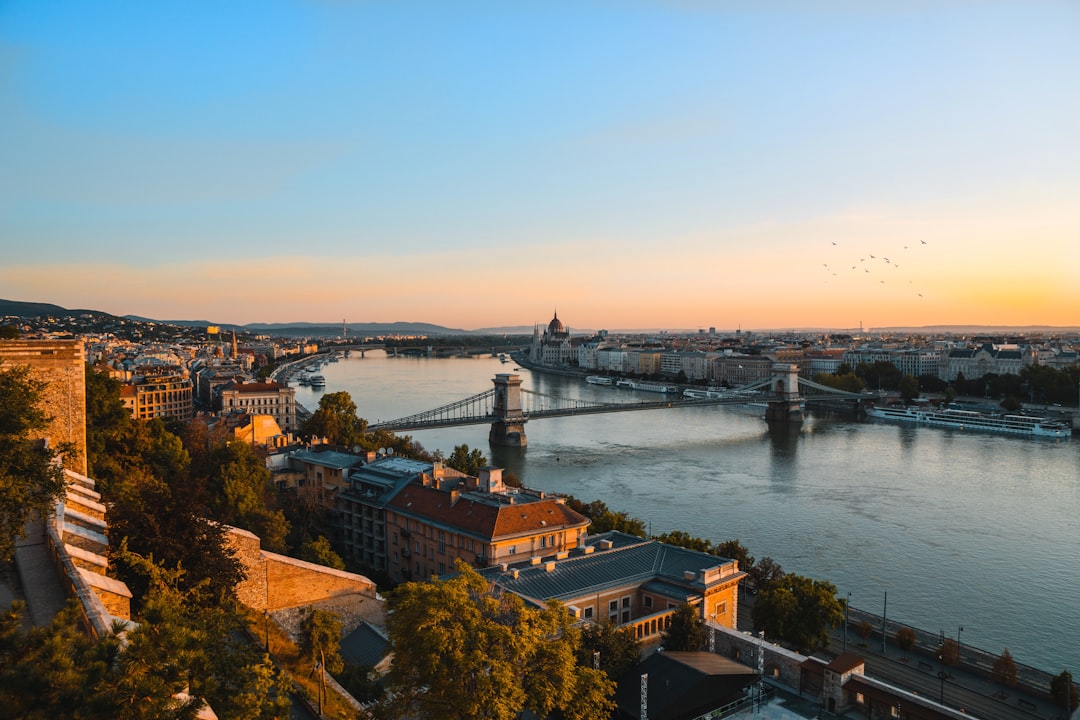
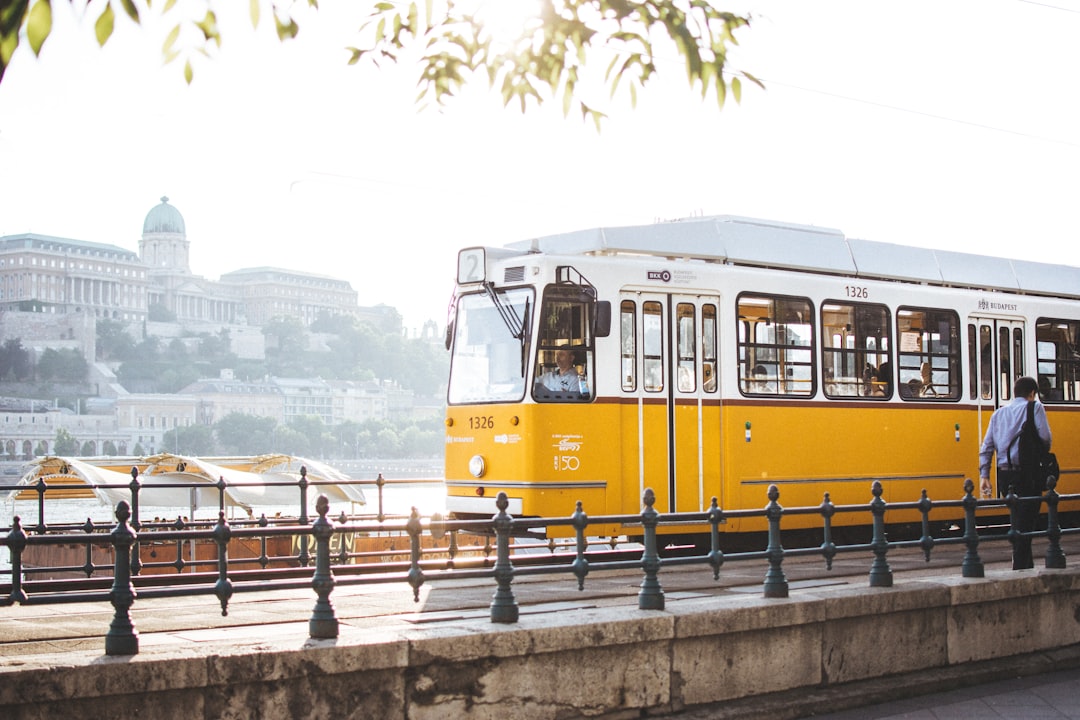
The Gellért Baths are located in the fourth district of Buda, at Kelenhegyi út 4, accessible by tram number 19 or 41 that runs along the banks of the Danube on the Buda side, or by bus from the Móricz Zsigmond körtér metro station. The nearest stop is directly in front of the hotel entrance. It takes about five minutes to walk from the Liberty Bridge.
The entrance ticket for access to the baths varies based on the chosen services and time slot: approximately, a basic entry with a locker costs around 25-35 euros, but it is advisable to check the updated rates on the official website before the visit, as prices are subject to seasonal changes. The best time to visit is in the morning on weekdays, when the influx of tourists is lower and the historic pools are quieter. On weekends and in the afternoon hours, the outdoor summer pool can become very crowded. Bringing pool slippers is mandatory in some areas and recommended throughout the complex.
The context: Gellért Hill and the Danube
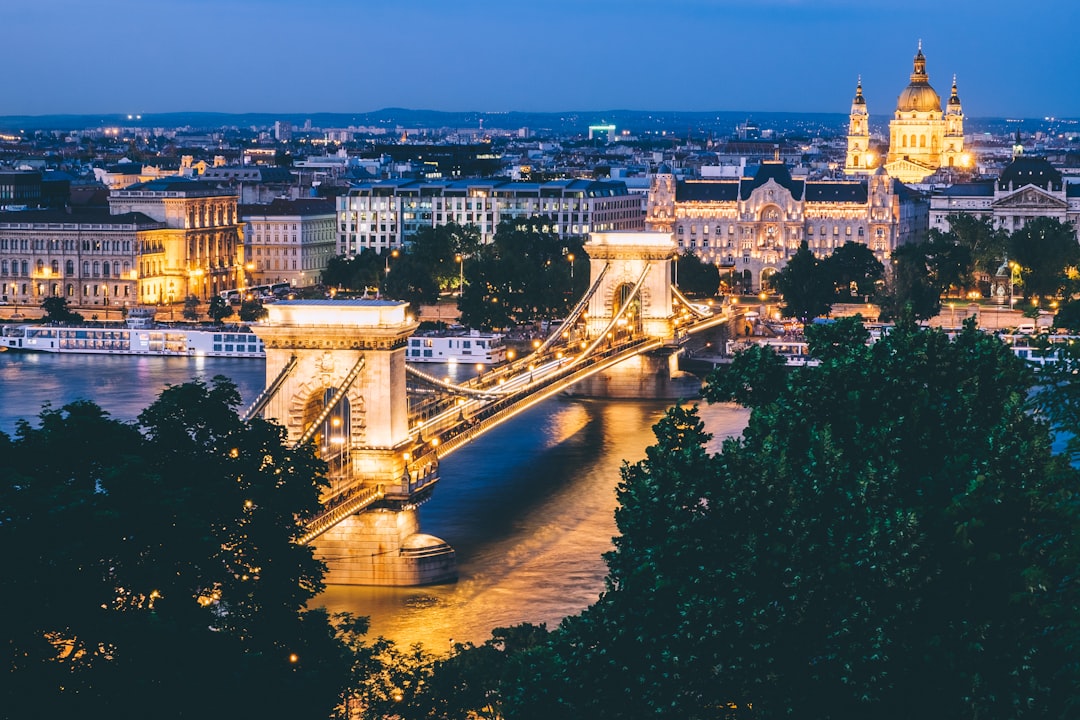
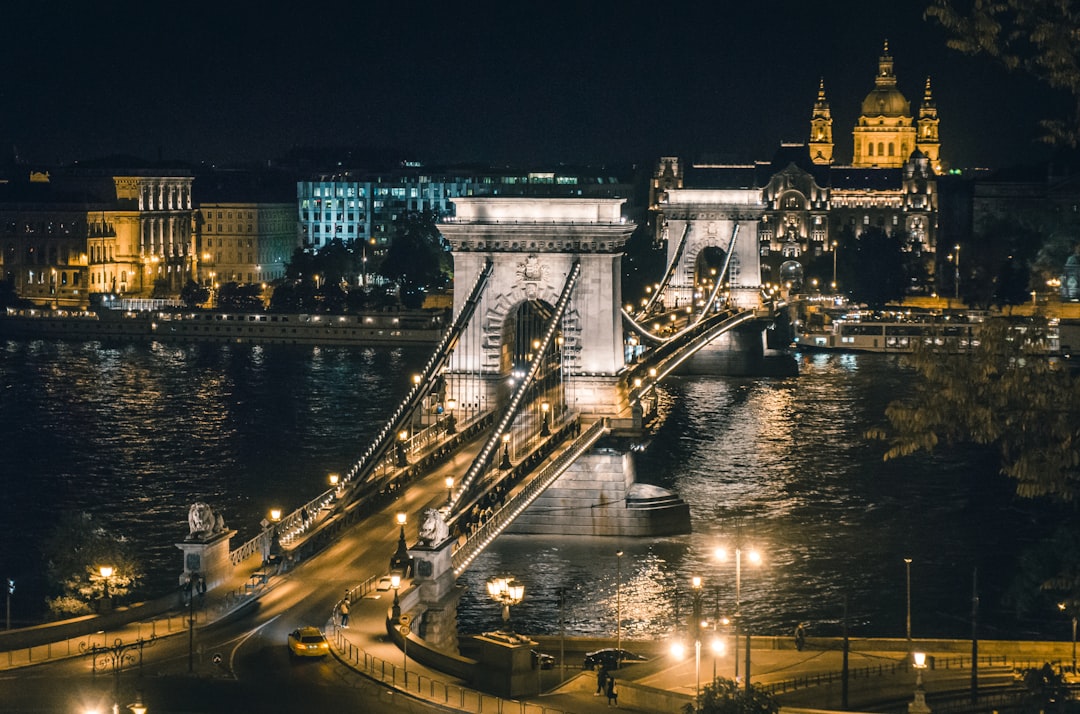
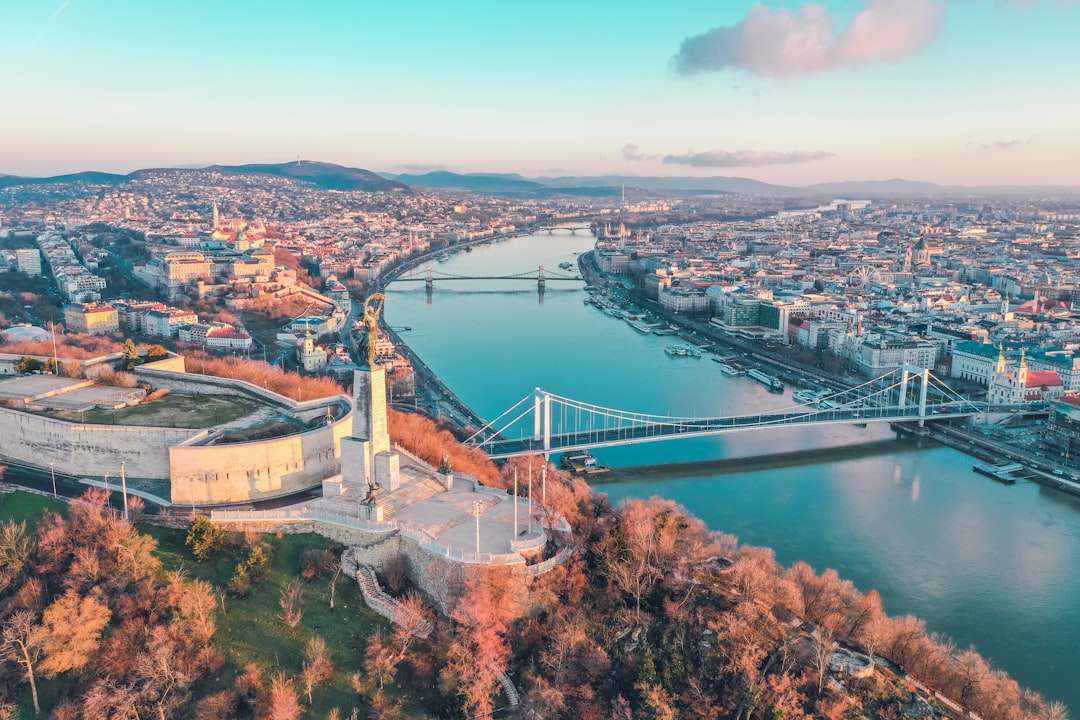
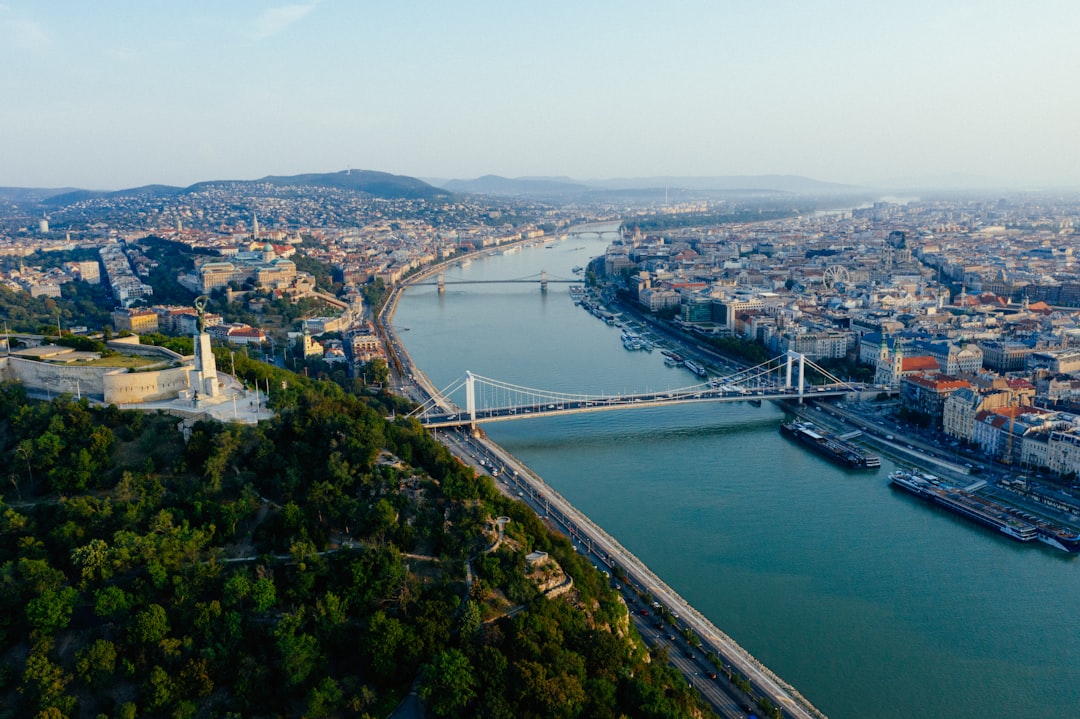
The location of the building is not random: Gellért Hill, which rises about 235 meters above the level of the Danube, has been a landmark for Budapest since ancient times, and its slopes hide a system of caves and natural springs that were already exploited in medieval times. The hotel and the baths were built right here to take advantage of the proximity to the springs and to offer a privileged view of the river and the Liberty Bridge.
After visiting the baths, walking up the hill to the Citadel allows you to see the complex from above and to better understand the relationship between the architecture, the river, and the city. The path takes about twenty minutes of walking on well-marked trails and offers a useful perspective to understand why this corner of Budapest continues to attract visitors from all over the world not only for the waters but for the combination of landscape, history, and architecture that is rarely found concentrated in such a small space.


