
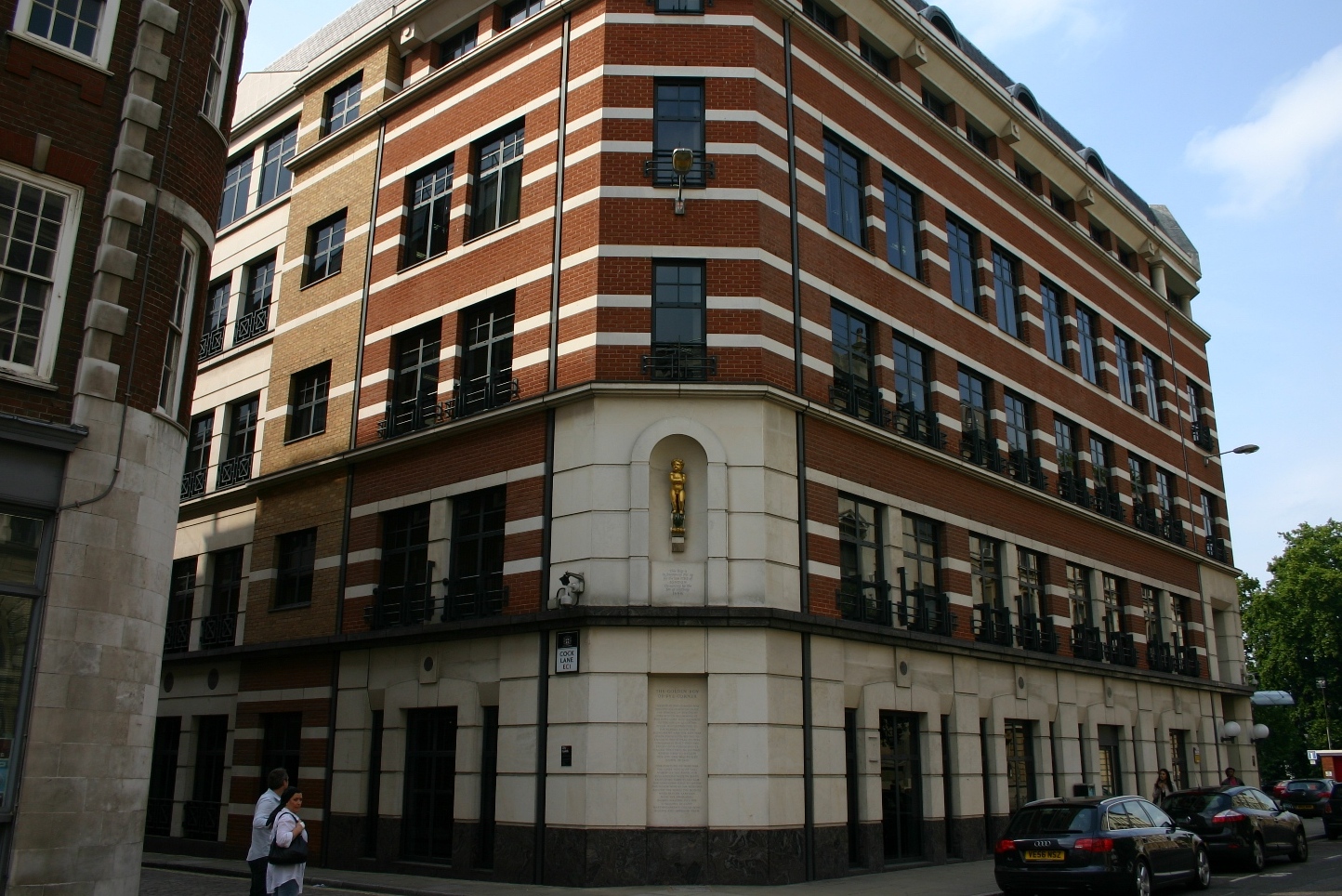

Nestled in the historic heart of London, the Golden Boy of Pye Corner stands as a gleaming testament to the city's resilience. This gilded statue, depicting a cherubic figure, is not merely a quaint decorative element but a poignant reminder of the Great Fire of London in 1666. Situated at the intersection of Giltspur Street and Cock Lane, this unassuming landmark marks the farthest reach of the devastating inferno that reshaped the city's landscape and history.
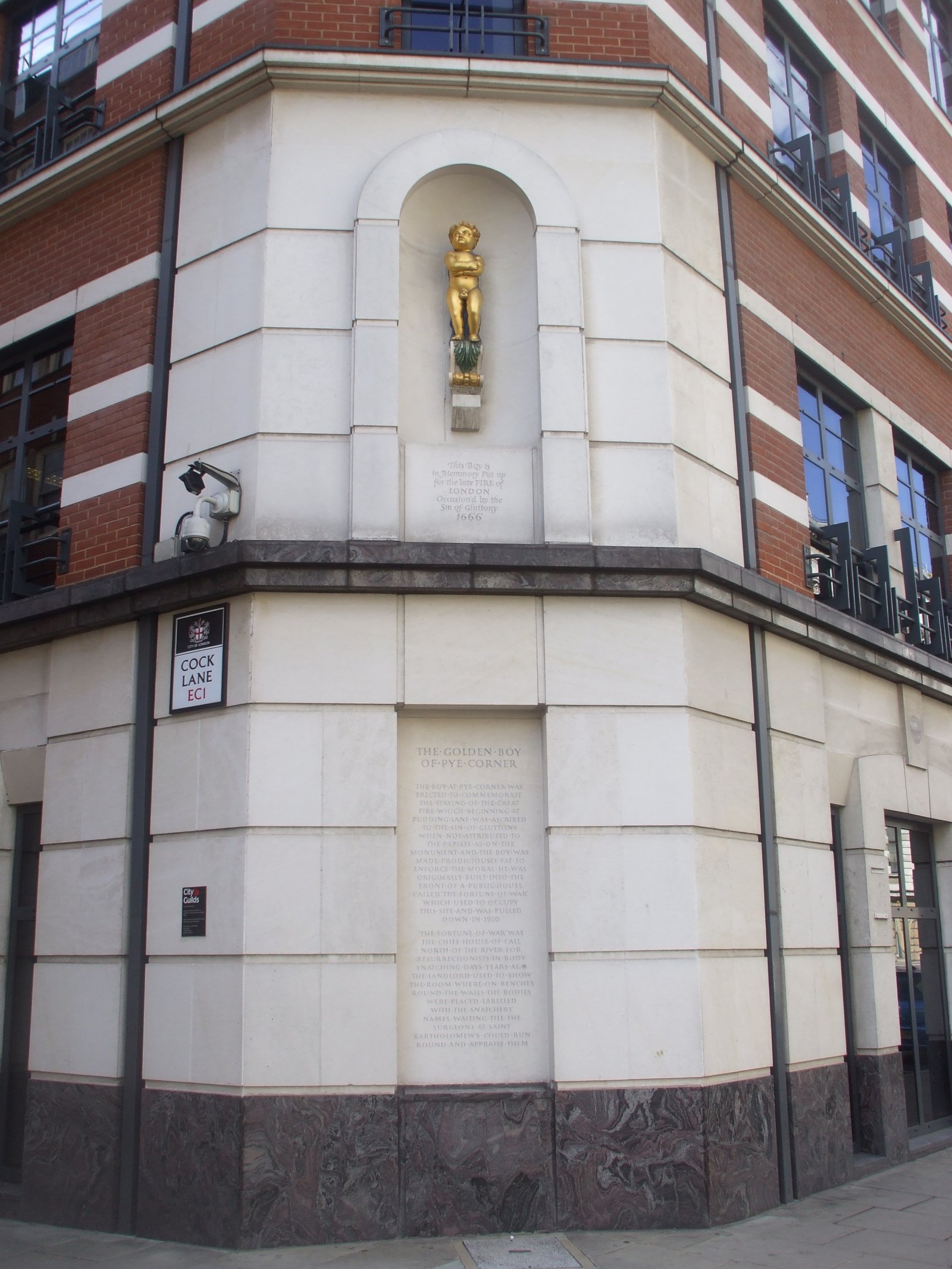
The origins of the Golden Boy trace back to the aftermath of the Great Fire, which began in a bakery on Pudding Lane on September 2, 1666. The blaze raged for four days, consuming over 13,000 houses, 87 parish churches, and the iconic St. Paul's Cathedral. The fire's end at Pye Corner was interpreted by contemporaries as a divine message against the sin of gluttony, a vice they believed had led to the city's downfall. The cherub was installed on the Fortune Tavern, a site that no longer exists, to serve as a moral lesson embodied in stone and gold leaf.
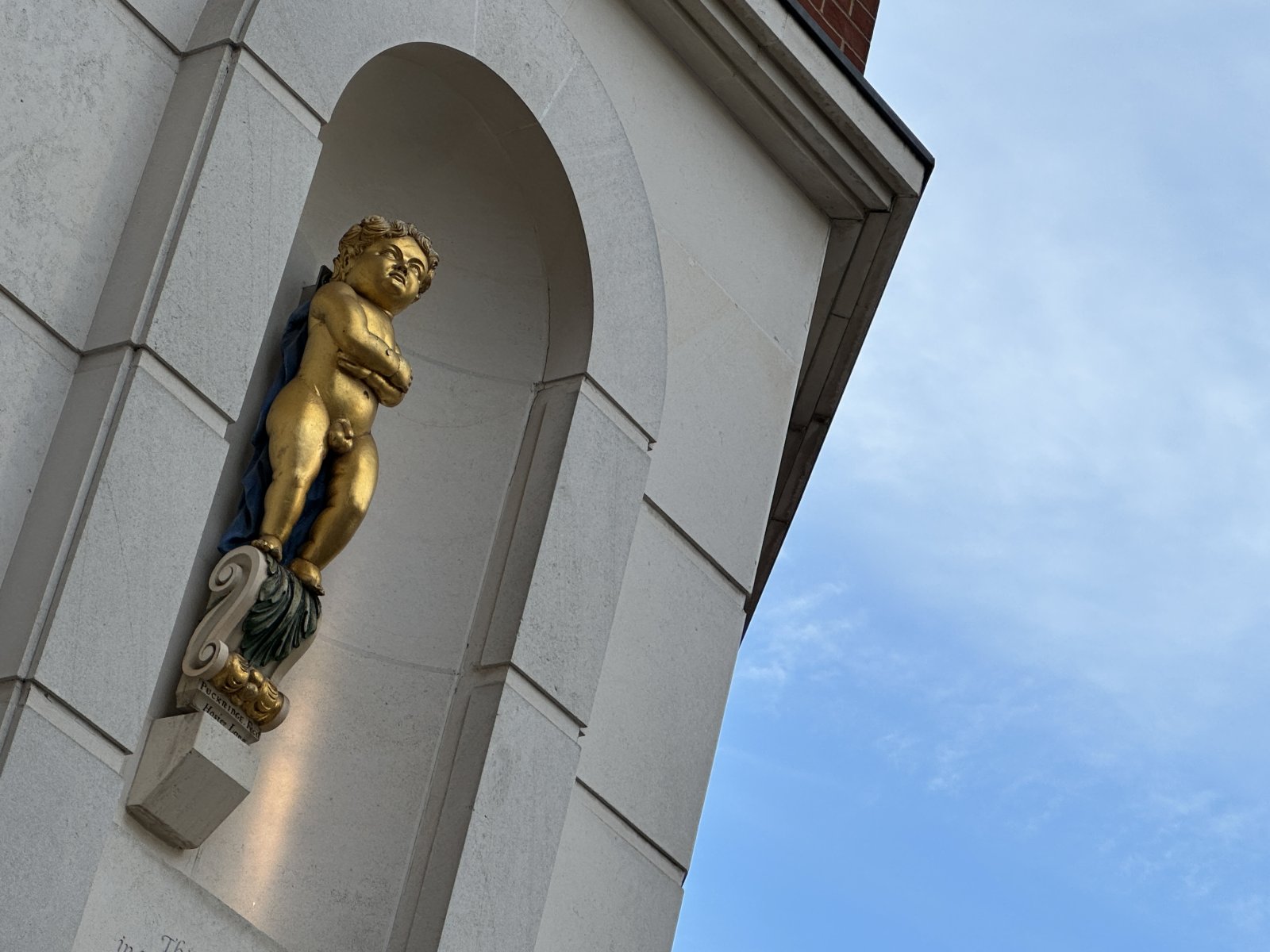
Architecturally, the Golden Boy is set within an ornate, baroque-style niche on the facade of a building originally constructed in the late 17th century. The cherub itself is crafted from wood, coated in gold leaf, reflecting the artistic traditions of the Restoration period. Its plump figure, serene expression, and raised hand symbolize the innocence and decadence that were, ironically, both revered and admonished by society at the time. This blend of art and allegory exemplifies the era's penchant for embedding moral narratives within public monuments.
The immediate area around Pye Corner is steeped in history and local culture. While the Great Fire itself is a key historical event, the neighborhood has long been a melting pot of tales and traditions. Smithfield Market, a stone's throw away, has been a trading hub since the 10th century, famous for its meat market. The annual Bartholomew Fair, held here until the 19th century, was one of London's largest, featuring music, entertainment, and a variety of goods, offering a glimpse into the city's vibrant past.
Culinary exploration near the Golden Boy reveals a taste of London's diverse gastronomic heritage. The area boasts a rich tapestry of eateries offering traditional British fare, such as hearty pies and ales that echo the hearty tastes of yesteryears. Pubs like the Viaduct Tavern, with its own intriguing history as a gin palace, serve classic dishes alongside a selection of local brews, perfect for those wishing to indulge in a bit of history with their meal.
Visitors often overlook the lesser-known curiosities surrounding Pye Corner. One intriguing tale involves Cock Lane, infamous for the Cock Lane Ghost, a sensational haunting that captivated London in the 18th century. The lane, once a short-cut for pilgrims heading to St. Bartholomew's Priory, adds a layer of spectral intrigue to the area's already rich narrative tapestry. Another fascinating tidbit is the proximity to St. Sepulchre-without-Newgate Church, where the Great Fire's victims were buried, offering a somber reflection on the past.
For those planning a visit to the Golden Boy, the best time is during the warmer months when the streets of London come alive with activity and history seems to echo around every corner. The site is easily accessible via public transport, with Farringdon Station nearby. Visitors should take a moment to not only admire the statue but also explore the surrounding streets, which are steeped in history and charm. Keep an eye out for the subtle details and engravings on the building facades, which tell stories of a bygone era.
The Golden Boy of Pye Corner is more than just a historical marker; it is a symbol of London's enduring spirit and a reminder of the city's ability to rise from the ashes. Its blend of history, art, and culture makes it a compelling stop for anyone eager to uncover the layers of stories that make London one of the world's most fascinating cities.


