
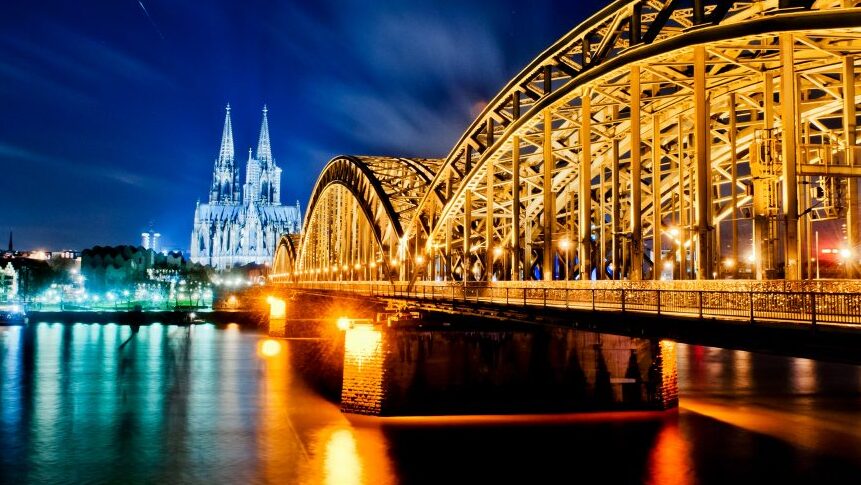

The Hohenzollern Bridge in Cologne, Germany, stands as a breathtaking emblem of love and commitment, weaving together history, art, and local culture. Its love padlocks, an increasingly popular tradition, attract couples from around the globe, eager to inscribe their affection on this iconic structure.
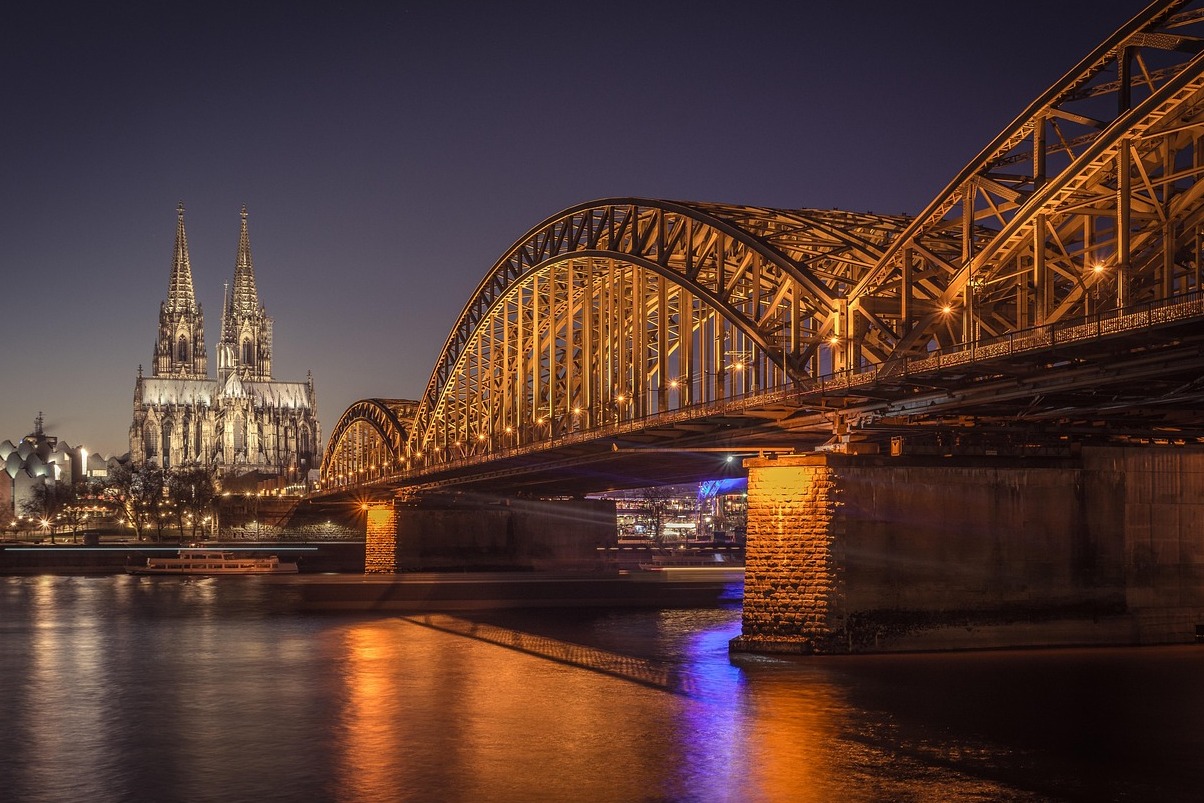
The bridge's history stretches back to the mid-19th century. Opened in 1859, it was initially built as a railway bridge, transforming Cologne's connectivity. During World War II, Hohenzollern Bridge suffered significant damage, leading to its reconstruction in the late 1940s. Today, it serves not just as a vital transport link but as a canvas for love, showcasing the unbreakable bonds formed beneath its arches.
Architecturally, the Hohenzollern Bridge is a striking example of 19th-century iron construction. Its design reflects the typical aesthetic of the era, characterized by elegant arches and metallic latticework, which create a sense of openness and grandeur. Spanning the Rhine River, the bridge offers stunning views of Cologne Cathedral, a UNESCO World Heritage site, and the bustling cityscape. The juxtaposition of the modern love locks against the backdrop of historical architecture adds a unique artistic flair, making it a favorite for photographers and romantics alike.
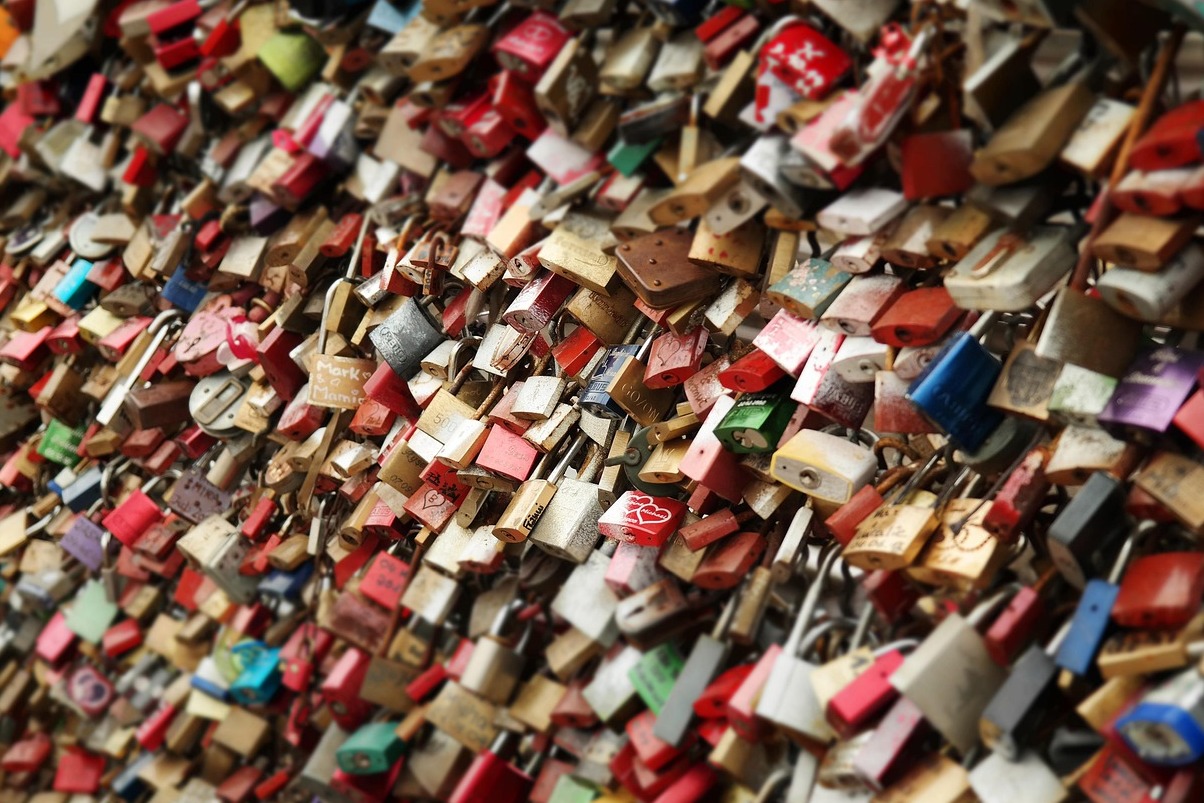
Local culture thrives around the Hohenzollern Bridge, particularly through the tradition of locking a padlock as a symbol of love. Couples often engrave their initials or meaningful dates onto the locks before fastening them to the bridge's railings. This custom is thought to have originated in Italy before spreading across Europe, with Cologne becoming a prominent hub for this romantic ritual. Each padlock has its own story, creating a tapestry of love that connects countless souls.
Cologne is also renowned for its vibrant culinary scene. Visitors should not miss trying Himmel un Ääd (Heaven and Earth), a local dish made from black pudding, mashed potatoes, and apple sauce. Another must-try is Kölsch, the region's signature beer, served in small glasses known as Stangen. Enjoying a Kölsch at one of the nearby beer gardens after a stroll on the bridge is an experience that captures the spirit of Cologne.
While the love locks are a highlight, there are lesser-known curiosities that can enhance your visit. For instance, many locals believe that throwing the key into the Rhine will seal the couple's love for eternity. Additionally, keep an eye out for the various colorful locks that showcase artistic designs, from hearts to intricate patterns. Some even include photographs, making them mini art pieces hanging from the bridge.
The best time to visit the Hohenzollern Bridge is during the spring and summer months when the weather is pleasant and the city is alive with festivals. The Cologne Carnival, held each February, is a spectacular event that envelops the city in color and joy, often spilling over to the bridge. However, visiting during the quieter months can offer a more intimate experience, allowing you to reflect on the love stories captured in the padlocks.
When planning your visit, consider arriving early in the morning or later in the evening to avoid crowds and enjoy the beauty of the sunset casting golden hues over the Rhine. Bring a padlock if you wish to participate in the tradition, or simply stroll along and admire the myriad of locks already in place.
The Hohenzollern Bridge is not just a crossing over the Rhine; it is a symbol of love, history, and connection. With its intricate design and the stories held within its padlocks, it invites visitors to pause, reflect, and perhaps even add their own chapter to its ongoing narrative.
To fully embrace the magic of Cologne and uncover its hidden gems, consider using the Secret World app to craft a personalized itinerary for your journey.


