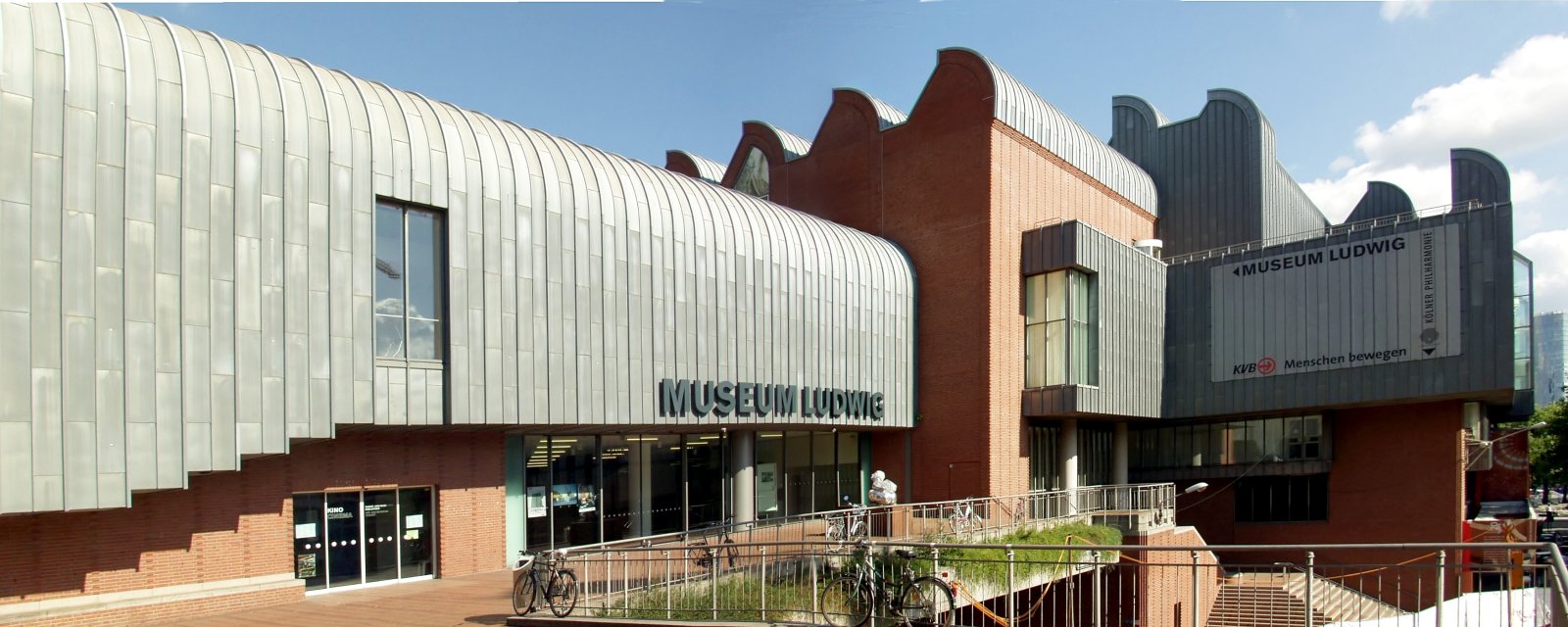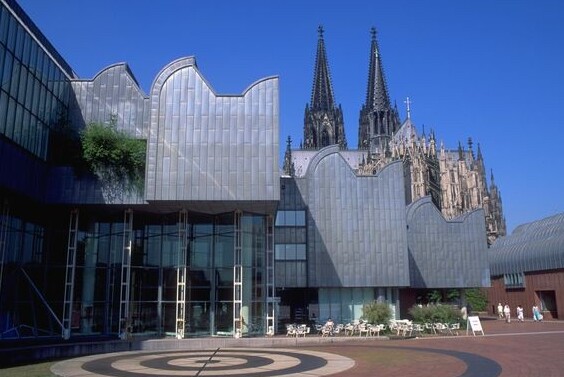

{ "title": "Ludwig Museum in Cologne: Contemporary Art Gem in Germany", "description": "Nestled behind the iconic Cologne Cathedral, the Ludwig Museum stands as a beacon of contemporary art in Europe. Founded in 1976 by Peter Ludwig, a passionate art collector and patron, the museum reflects the evolution of modern artistic expression. With a vast collection of over 20,000 artworks, it showcases masterpieces by renowned artists such as Pablo Picasso, Marcel Duchamp, Paul Klee, and Salvador Dalí, making it an essential destination for art lovers and cultural enthusiasts alike.\n\n### History and Origins\nThe story of the Ludwig Museum begins in the mid-20th century when Peter Ludwig, an influential figure in the art world, dedicated his life to collecting and promoting contemporary art. His vision materialized in 1976 when he donated his collection to the city of Cologne, setting the stage for the museum's establishment. The museum officially opened its doors in 1986, designed by architects Peter Busmann and Godfrid Haberer, blending seamlessly with the historical backdrop of the Cologne Cathedral. This strategic location not only enhances the museum’s aesthetic appeal but also symbolizes the dialogue between tradition and modernity.\n\n### Art and Architecture\nThe architectural design of the Ludwig Museum is a striking example of modernist principles, characterized by clean lines and an open layout that encourages exploration. Spanning approximately 8,000 square meters, the exhibition space is divided into various thematic sections, allowing visitors to immerse themselves in different art movements. Among its most notable collections is the world's largest collection of Picasso works outside of Spain, featuring over 900 pieces ranging from paintings to ceramics. Additionally, the museum showcases significant contributions from Dadaism, Surrealism, and Expressionism.\n\nThe museum's collection is not limited to well-known artists; it also highlights emerging talents, offering a glimpse into the future of contemporary art. Temporary exhibitions often spotlight avant-garde artists, ensuring that the museum remains at the forefront of artistic innovation.\n\n### Local Culture and Traditions\nCologne is a city steeped in rich history and vibrant culture, known for its lively Carnival celebrations, which occur annually in February or March. This festival, locally known as Kölner Karneval, transforms the city into a carnival of colorful parades, lively music, and traditional costumes. The atmosphere during this time is electric, drawing locals and tourists alike.\n\nAdditionally, Cologne's cultural landscape is dotted with various events throughout the year, including the Cologne Art Week, which showcases contemporary artworks and performances across the city. The museum often participates in these events, collaborating with local artists and institutions, fostering a sense of community among art lovers.\n\n### Gastronomy\nA visit to Cologne is incomplete without indulging in its local cuisine. The city is famous for its Rheinischer Sauerbraten, a pot roast typically made from beef, marinated in a mixture of vinegar, water, and spices, and served with savory gravy. Pair this hearty dish with a glass of Kölsch, the local beer brewed exclusively in the Cologne region. The beer, light and crisp, is traditionally served in small, cylindrical glasses called Stangen.\n\nFor those with a sweet tooth, try a slice of Cologne's Printen, a type of gingerbread that is a local delicacy, often enjoyed with a cup of coffee in one of the many charming cafés surrounding the museum.\n\n### Lesser-Known Curiosities\nWhile the Ludwig Museum is celebrated for its extensive collection, few know that it also features a unique art library and archive, which are invaluable resources for researchers and artists. Furthermore, the museum conducts various educational programs aimed at engaging the community and fostering an appreciation for contemporary art.\n\nOne of the charming quirks of the museum is its **"
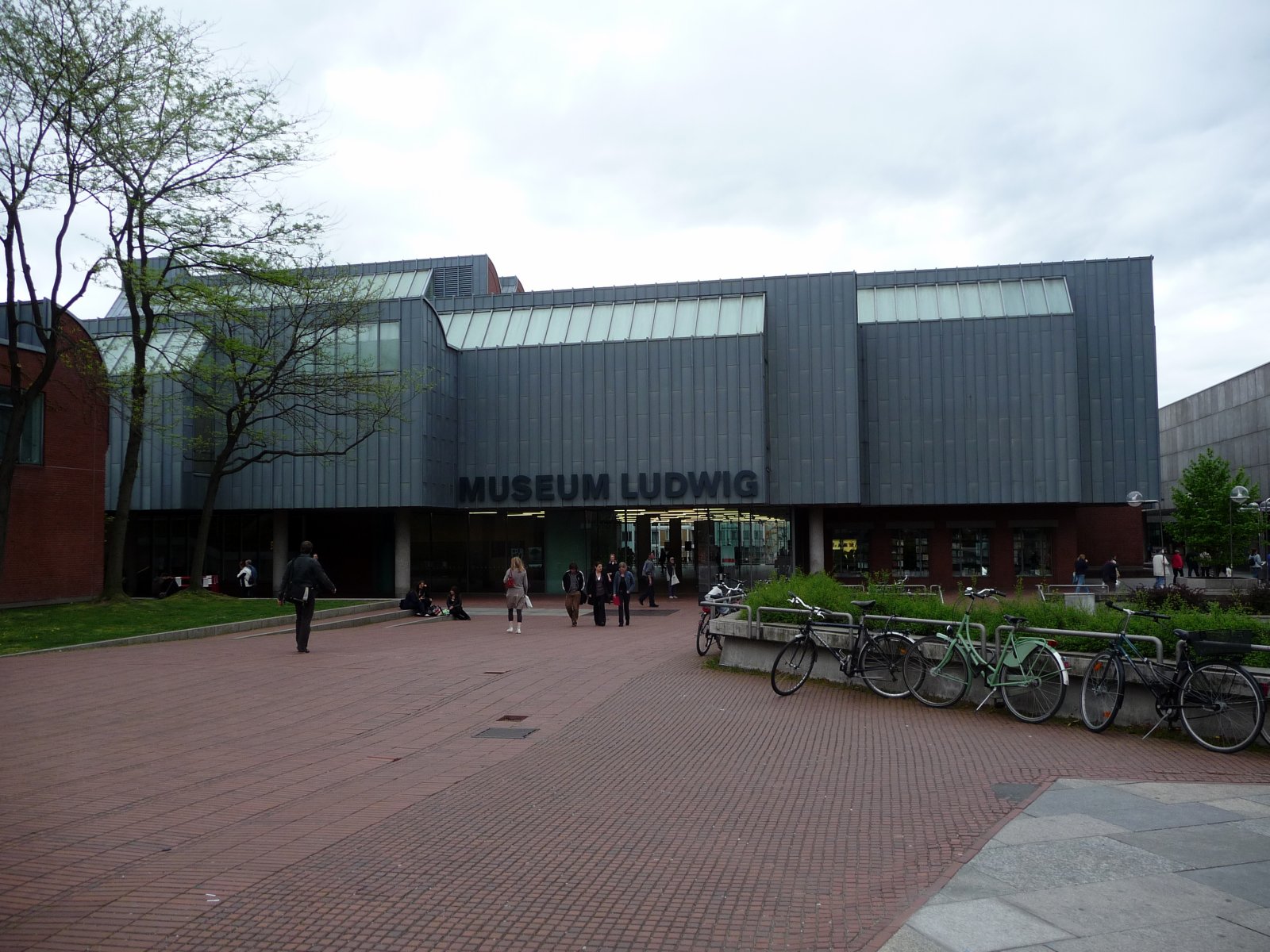
, "description": "Nestled behind the iconic Cologne Cathedral, the Ludwig Museum stands as a beacon of contemporary art in Europe. Founded in 1976 by Peter Ludwig, a passionate art collector and patron, the museum reflects the evolution of modern artistic expression. With a vast collection of over 20,000 artworks, it showcases masterpieces by renowned artists such as Pablo Picasso, Marcel Duchamp, Paul Klee, and Salvador Dalí, making it an essential destination for art lovers and cultural enthusiasts alike.\n\n### History and Origins\nThe story of the Ludwig Museum begins in the mid-20th century when Peter Ludwig, an influential figure in the art world, dedicated his life to collecting and promoting contemporary art. His vision materialized in 1976 when he donated his collection to the city of Cologne, setting the stage for the museum's establishment. The museum officially opened its doors in 1986, designed by architects Peter Busmann and Godfrid Haberer, blending seamlessly with the historical backdrop of the Cologne Cathedral. This strategic location not only enhances the museum’s aesthetic appeal but also symbolizes the dialogue between tradition and modernity.\n\n### Art and Architecture\nThe architectural design of the Ludwig Museum is a striking example of modernist principles, characterized by clean lines and an open layout that encourages exploration. Spanning approximately 8,000 square meters, the exhibition space is divided into various thematic sections, allowing visitors to immerse themselves in different art movements. Among its most notable collections is the world's largest collection of Picasso works outside of Spain, featuring over 900 pieces ranging from paintings to ceramics. Additionally, the museum showcases significant contributions from Dadaism, Surrealism, and Expressionism.\n\nThe museum's collection is not limited to well-known artists; it also highlights emerging talents, offering a glimpse into the future of contemporary art. Temporary exhibitions often spotlight avant-garde artists, ensuring that the museum remains at the forefront of artistic innovation.\n\n### Local Culture and Traditions\nCologne is a city steeped in rich history and vibrant culture, known for its lively Carnival celebrations, which occur annually in February or March. This festival, locally known as Kölner Karneval, transforms the city into a carnival of colorful parades, lively music, and traditional costumes. The atmosphere during this time is electric, drawing locals and tourists alike.\n\nAdditionally, Cologne's cultural landscape is dotted with various events throughout the year, including the Cologne Art Week, which showcases contemporary artworks and performances across the city.