
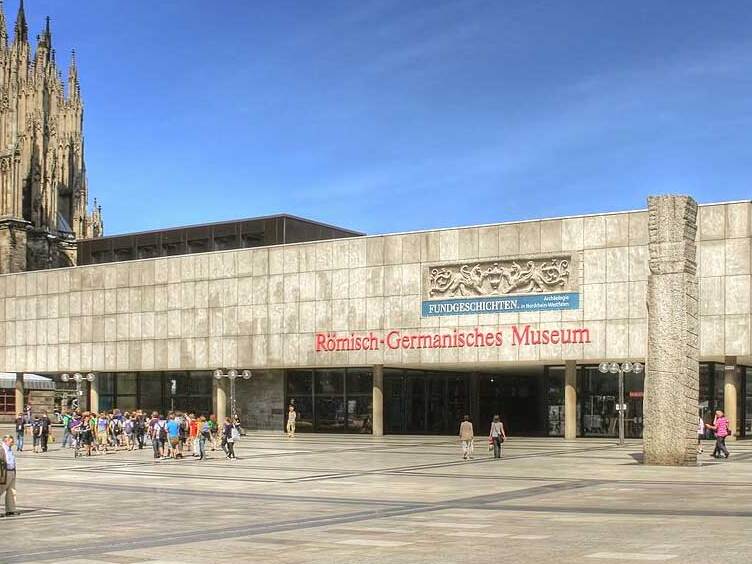

Nestled in the heart of Köln, the Roman Museum stands as a testament to the city's rich heritage, deeply rooted in its ancient past. Built upon large, imposing columns, the architecture pays homage to the grandeur of ancient Roman temples, inviting visitors to step into a world where history whispers through the stones.
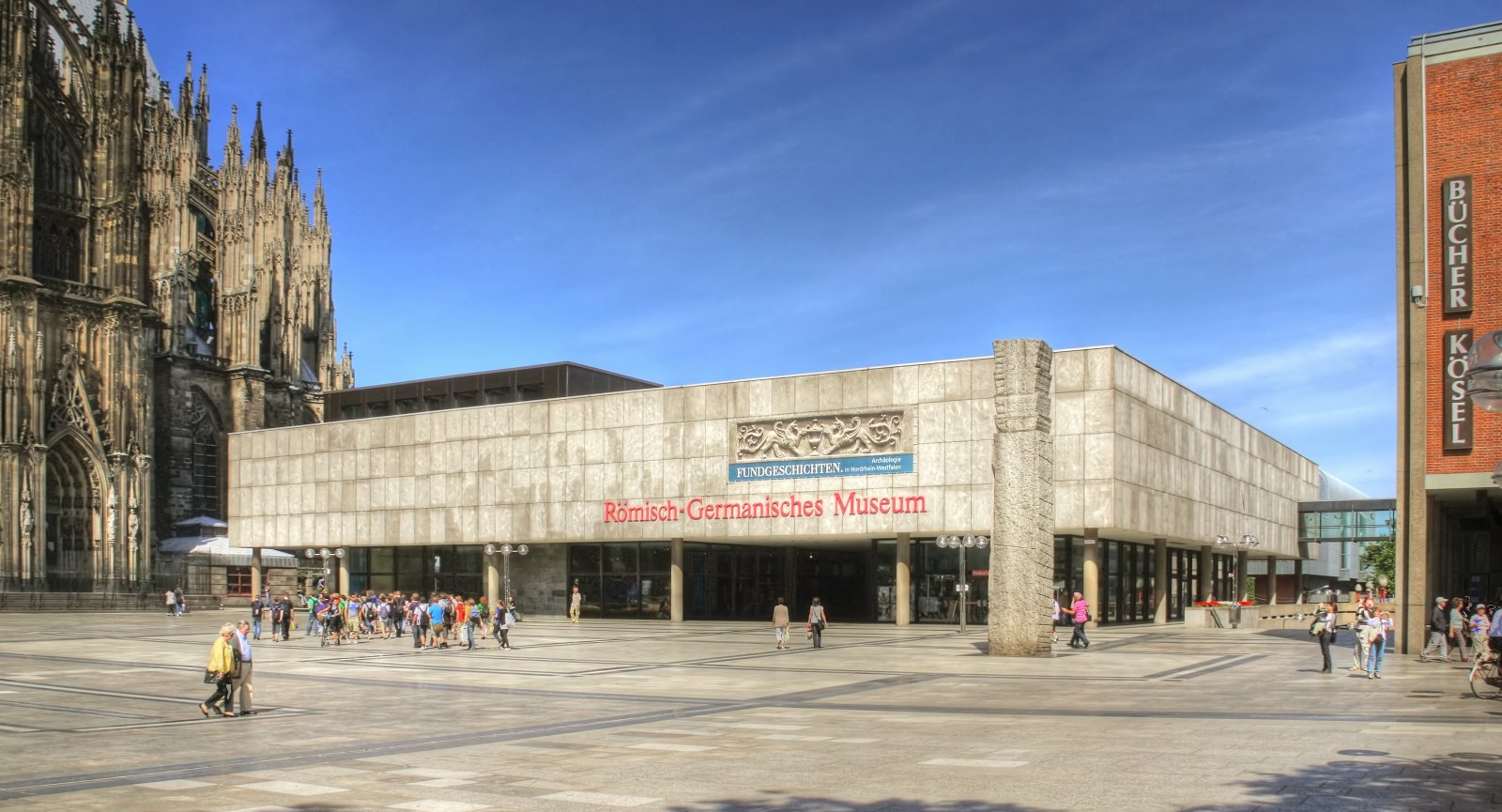
The origins of the museum trace back to the early 1970s, when archaeological excavations revealed a treasure trove of artifacts from the Roman settlement of Colonia Claudia Ara Agrippinensium, established around 50 AD. This settlement flourished under Roman rule, becoming a cultural and economic hub in Germania. The museum officially opened its doors in 1974, showcasing a wealth of relics spanning from prehistory through the Merovingian era, offering a fascinating glimpse into the lives of those who walked these lands long ago.
One of the museum’s most illustrious exhibits is the stunning mosaic of Dionysius, created around 220 AD. This breathtaking work of art spans approximately 70 square meters and comprises an astonishing one and a half million colored pieces made from natural stone, glass, and clay. The intricate details and vibrant colors of the mosaic vividly depict scenes related to Dionysius, the Roman god of wine and revelry, capturing the spirit of festivity that characterized ancient Roman life.
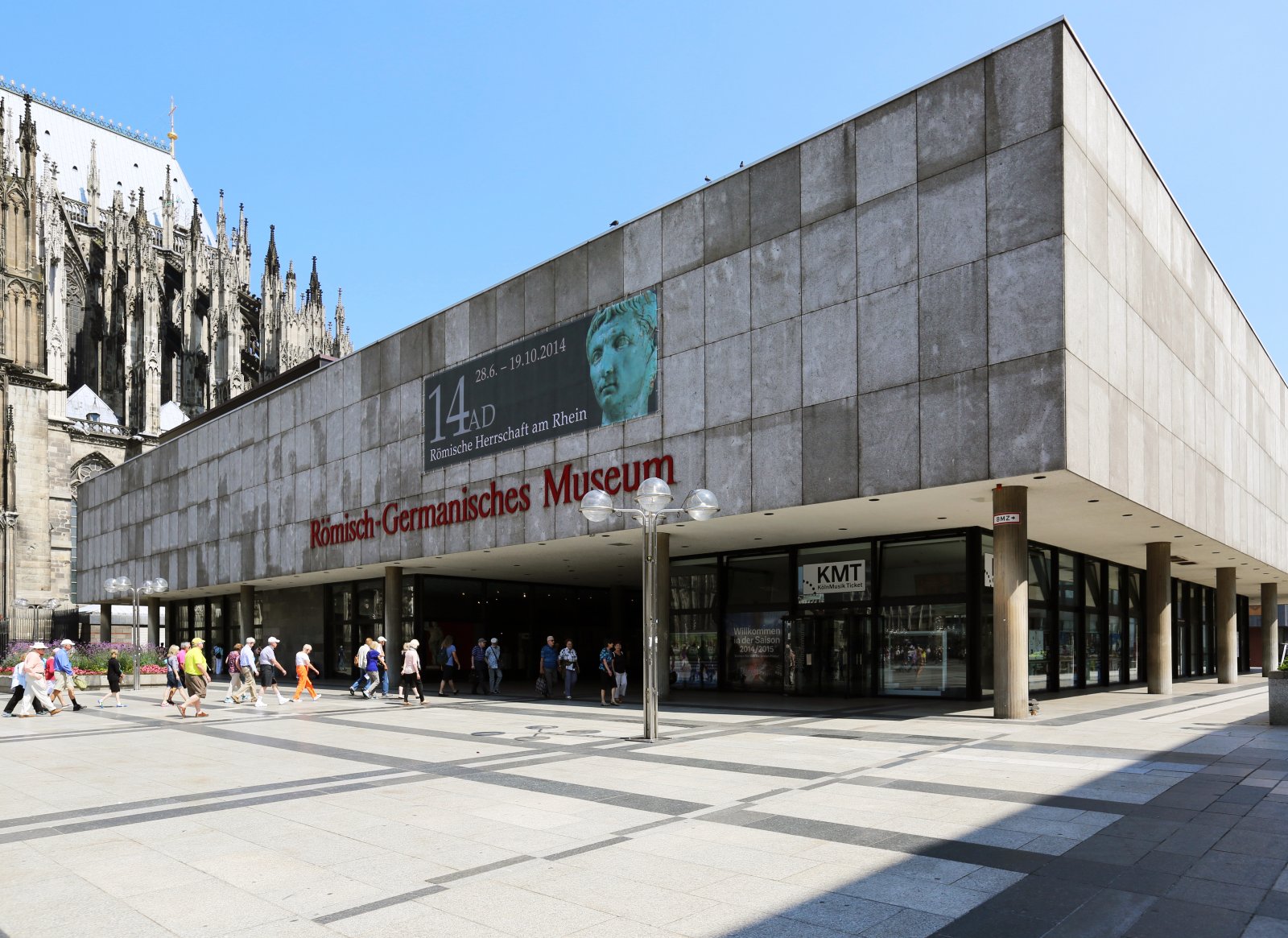
The architectural style of the museum itself is striking, combining modernist elements with classical influences, creating a dialogue between past and present. The use of large glass facades allows natural light to flood the interior, illuminating the artifacts and enhancing the overall visitor experience. This thoughtful design not only serves a practical purpose but also symbolizes the openness of knowledge and history.
In addition to the mosaic, the museum boasts an impressive collection of ancient glassware, including vases, goblets, and bottles that once graced the tables of Roman nobility. These delicate pieces, often adorned with intricate decorations, provide insight into the craftsmanship and aesthetic sensibilities of the time. The fragility of glass makes these artifacts particularly rare and valuable, as many have not survived the ravages of time.
Köln is a city rich in culture and tradition, reflected in its various customs and festivals. The annual Carnival of Köln, celebrated with exuberance and joy, showcases the city’s vibrant spirit. During this festive season, locals don colorful costumes, parade through the streets, and partake in lively celebrations, connecting the modern city to its historical roots.
Culinary traditions also play a significant role in the local culture. Kölsch, the city’s iconic beer, is a must-try for any visitor. Brewed in accordance with strict local regulations, this pale beer is served in small glasses known as Stangen. Pair it with a slice of Himmel un Ääd, a traditional dish of black pudding, mashed potatoes, and apple sauce, to truly savor the flavors of Köln.
Among the lesser-known curiosities of the Roman Museum is the Ludwig Museum, which is located right next to it. This museum houses a remarkable collection of modern art, making for a fascinating contrast to the ancient relics of the Roman Museum. It's a hidden gem that many tourists overlook, but it offers an enriching experience for those willing to explore beyond the obvious.
For those wishing to visit the Roman Museum, the best time to explore is during the spring and fall months when the weather is mild, and the museum is less crowded. Be sure to take advantage of guided tours that provide deeper insights into the exhibits and the history of Köln. Look for the audio guides available in multiple languages to enhance your understanding of the artifacts on display.
As you wander through the museum, take a moment to appreciate the intricate details of each exhibit and the stories they tell about the lives of those who came before us. The juxtaposition of ancient artifacts against the backdrop of modern architecture creates a unique atmosphere that invites contemplation and appreciation.
In conclusion, the Roman Museum in Cologne is not just a repository of ancient artifacts; it is a vibrant showcase of the city’s history and culture, inviting visitors to connect with the past in a meaningful way. For a personalized itinerary to experience the wonders of Köln, consider using the Secret World app to enhance your visit.


