
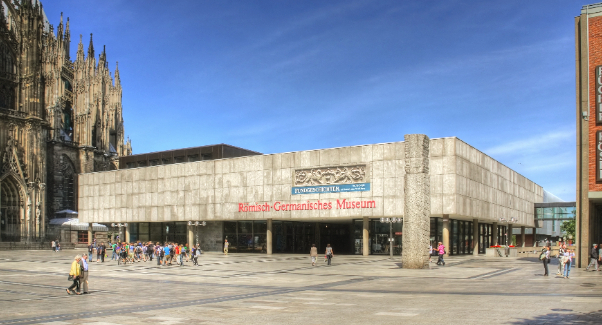

Nestled in the heart of Cologne, the Römisch-Germanisches Museum offers a mesmerizing journey through time, tracing the rich tapestry of the city's ancient past. This remarkable institution not only stands as a testament to the region's historical significance but also acts as a custodian of its most precious relics.
The museum's story begins in the wake of World War II, when recovery efforts unearthed the magnificent Dionysus Mosaic, dating back to the 3rd century. This discovery spurred the establishment of the museum, which officially opened its doors on November 24, 1961. Built around this mosaic, the museum preserves the legacy of Colonia Claudia Ara Agrippinensium, the Roman city founded in 50 AD. The museum's collection provides insights into life during the Roman Empire, showcasing artifacts from prehistoric times through to the Frankish period.
Architecturally, the museum is a marvel in itself, reflecting the modernist style of the 1960s. Its design cleverly integrates the ancient with the contemporary, allowing visitors to experience history within a modern framework. The Dionysus Mosaic, with its vibrant depictions of the god of wine's mythical adventures, remains a highlight. Other treasures include the Tomb of Poblicius, a monumental funerary structure, and various Roman glassware, which illustrate the craftsmanship of the era.
Cologne is a city that proudly embraces its history while celebrating a vibrant cultural scene. The museum plays a pivotal role in this, being central to the city's Karneval festivities, where history and modern culture collide. This annual carnival, held before Lent, is a time of exuberant parades and revelry, drawing locals and tourists alike into its joyous embrace.
No visit to Cologne is complete without indulging in its culinary delights. The region's gastronomy is deeply intertwined with its history, offering a taste of traditional Rhenish cuisine. Sample the hearty Sauerbraten, a pot roast marinated in vinegar and spices, or savor the local Kölsch beer, which is brewed exclusively in the city.
Amidst the well-trodden paths of the museum, there are hidden stories waiting to be discovered. A lesser-known treasure is the Ara Ubiorum, an altar dedicated to the Ubian goddess, which speaks to the syncretism of Roman and local deities. Additionally, the museum hosts a collection of intricate Roman jewelry, often overlooked but immensely telling of ancient craftsmanship.
For visitors planning a trip, the best time to explore the museum is during the quieter months of spring or autumn when the crowds are thinner, allowing for a more intimate experience with the exhibits. Allocate at least a couple of hours to truly appreciate the depth of the collection. Don't forget to glance at the museum's temporary exhibitions, which offer fresh perspectives on the ancient world.
To make the most of your journey to Köln, consider using the Secret World app to create a personalized itinerary that unveils the city's many hidden gems.


