
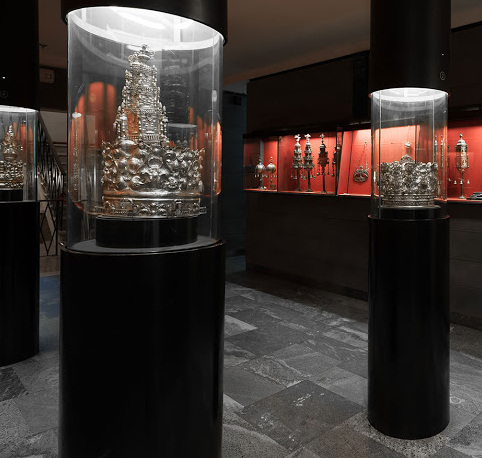

In the heart of Venice, within the historic Ghetto Novo, lies the Jewish Museum of Venice. This small yet profoundly rich museum serves as a testament to the vibrant and resilient Jewish community that has thrived in this enchanting city for centuries. Founded in 1953 by the Venetian Jewish Community, the museum offers a glimpse into the intricate tapestry of Jewish life through its carefully curated exhibitions and artifacts.

The Ghetto itself has a storied past, established in 1516, making it one of the earliest examples of a segregated Jewish settlement in Europe. The word ‘ghetto’ originates from the Italian word 'geto', referring to the foundry that previously occupied the site. Over the centuries, the Ghetto evolved, witnessing the rise and fall of its inhabitants, most notably during the tumultuous times of the Inquisition and the Holocaust. Today, it stands not just as a place of historical significance but as a living testament to the enduring spirit of the Jewish community.
Architecturally, the Jewish Museum of Venice is nestled between two of the oldest synagogues in the city—the Scuola Grande Tedesca and the Scuola Canton. The museum captures the essence of Venetian Renaissance architecture, with its elegant facades and intricate details reflecting both Jewish and Venetian cultural influences. Inside, visitors can marvel at a rich array of artifacts, including ceremonial objects, textiles, and Torah scrolls, some dating back as far as the 16th century. Each piece tells a story, revealing the artistic craftsmanship of Jewish artisans who thrived in a city known for its opulence and cultural exchange.
The museum is not just a collection of artifacts; it is a vibrant reflection of local culture and traditions. The Jewish community in Venice has its unique customs, many of which are preserved and celebrated to this day. The Passover celebrations, for instance, are marked by traditional feasts featuring matzah, a flatbread that is a staple during this holiday. Hanukkah is another significant celebration, with the lighting of the menorah drawing both locals and visitors into the festivities.
Gastronomy plays an essential role in understanding the Jewish culture in Venice. Traditional Jewish dishes such as Sfenj (a type of doughnut) and Kugel (a baked pudding) are popular, reflecting a blend of Venetian and Ashkenazi influences. The local eateries often serve Kosher cuisine, allowing visitors to savor these unique flavors while respecting dietary laws. Furthermore, a visit to the famous Cicchetteria in the Ghetto offers a chance to sample Venetian-style tapas, paired with a glass of Prosecco, providing a delightful culinary experience steeped in history.
While the museum and synagogues are well-known, there are lesser-known curiosities that enhance the experience. For instance, few visitors realize that the Ghetto Novo was once home to a thriving printing press, which published some of the earliest Jewish texts in the Venetian dialect. This played a crucial role in the dissemination of Jewish literature across Europe. Additionally, nearby, visitors can find the Campo del Ghetto Nuovo, where one can see the monument to the Jewish martyrs of the Holocaust, a poignant reminder of the community's resilience against oppression.
When planning your visit, the best time to explore the Jewish Museum of Venice is during the off-peak seasons of late spring and early fall, when the weather is mild and the crowds are fewer. It’s advisable to take a guided tour to fully appreciate the rich narratives behind the artifacts, as the museum offers insightful stories that bring the exhibits to life.
Visitors should also take time to explore the three synagogues open to the public, each with its distinct architectural style and historical significance. The Italian Synagogue, with its Baroque influences, is particularly stunning. Look for the detailed wood carvings and intricate stained glass that adorn the interiors.
In conclusion, the Jewish Museum of Venice is more than just a museum; it is a portal into a vibrant heritage that has shaped the cultural landscape of the city. It invites visitors to engage with the enduring legacy of the Jewish community in Venice, making it an essential stop for anyone wishing to understand the depth of this city’s history.
To truly appreciate the nuances of your visit, consider using the Secret World app to craft a personalized itinerary for your exploration of Venezia.


