



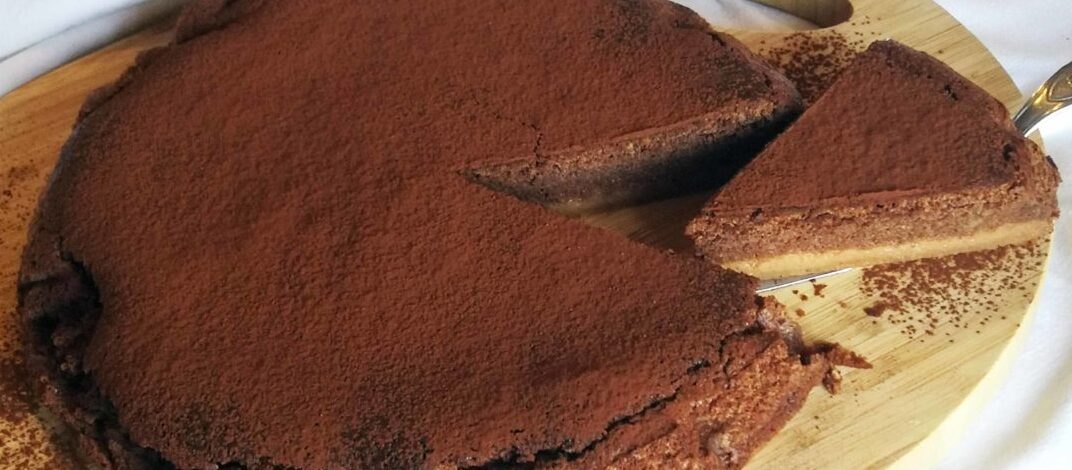
In the heart of Spoleto, nestled between rolling hills and ancient ruins, lies a dessert that encapsulates the spirit of this remarkable Umbrian town: the crescionda. This enchanting cake, both a taste of history and a delight for the senses, has deep roots that trace back to the Middle Ages, making it a culinary treasure that few outside the region have come to know.
The origins of crescionda are steeped in the rich tapestry of local history. Evidence of its existence dates back to medieval times when it was traditionally prepared during Carnival, a time of feasting and revelry. The celebration of Carnival marked a period of indulgence before the Lenten fast, and the crescionda’s unique blend of flavors—sweet and savory—reflected the culinary trends of the era. The original recipe was adventurous, incorporating ingredients like pecorino cheese, chicken broth, and dark chocolate, showcasing the innovative spirit of medieval cooks.
As the centuries passed, the crescionda evolved. Today, it is crafted with a more modern touch, relying on simpler, yet equally delightful ingredients such as macaroons, dark chocolate, lemon rind, and eggs. The result is a cake with a low profile, characterized by its three distinct layers. The base, made of crushed macaroons and flour, lends a subtle nuttiness, while the middle layer boasts a pudding-like softness. Topped with a rich, dark brown layer of chocolate, it’s no wonder the dessert is affectionately referred to as the "magic cake."
The architectural charm of Spoleto is as rich as its culinary heritage. The town is famed for its Romanesque architecture, evident in the stunning Cathedral of Santa Maria Assunta, which boasts a breathtaking façade adorned with intricate frescoes. This cathedral, completed in the 12th century, houses works by the renowned artist Filippo Lippi, whose vivid colors and emotive figures bring the sacred stories to life. Walking through the cobbled streets, visitors can also admire the Rocca Albornoziana, a fortress built in the 14th century that offers breathtaking views of the surrounding landscape.
Spoleto’s vibrant culture is deeply intertwined with its traditions and festivals. The Festival dei Due Mondi, or Festival of Two Worlds, held annually in June, is a highlight for locals and visitors alike. This renowned arts festival celebrates music, dance, and theater, drawing participants and audiences from around the globe. The town’s medieval roots are also evident during Festa di San Ponziano, held in late January, where locals honor their patron saint with processions, music, and, of course, food, including the beloved crescionda.
When it comes to gastronomy, Spoleto is a paradise for food enthusiasts. Beyond the crescionda, the region is known for its truffles, especially the prized black truffle, which finds its way into many local dishes. Traditional Umbrian cuisine features hearty pastas, such as strangozzi, often served with rich sauces made from locally sourced ingredients. Pair these flavors with a glass of Sagrantino di Montefalco, a full-bodied red wine that perfectly complements the region's robust culinary offerings.
For those seeking lesser-known curiosities, Spoleto has a few hidden gems. One intriguing detail is the Ponte delle Torri, a striking aqueduct and bridge that spans a gorge just outside the town. Constructed in the 14th century, it is said to have been built to transport water to the Rocca Albornoziana. Legend has it that it is connected to the ancient Roman aqueducts, hinting at the sophisticated engineering of the time. Furthermore, many visitors might overlook the Museo Archeologico di Spoleto, which houses artifacts from the region’s Etruscan and Roman past, providing a fascinating glimpse into the area’s history.
If you're planning a visit, the best time to experience Spoleto is during the spring and early fall when the weather is mild, and the streets are alive with local festivities. Be sure to sample the crescionda from local pastry shops, where you might catch bakers preparing this traditional treat with time-honored techniques. To truly immerse yourself in the culture, consider joining a cooking class that focuses on Umbrian cuisine, allowing you to bring a piece of Spoleto home with you.
In conclusion, the crescionda is not just a dessert; it is a reflection of Spoleto’s rich history, vibrant culture, and culinary prowess. As you wander through the ancient streets, take a moment to savor this magical cake, which represents centuries of tradition and the passionate spirit of the people who call this enchanting town home. To ensure your visit is filled with personalized experiences, consider using the Secret World app to craft an AI-generated itinerary that highlights the best of Spoleto.
