
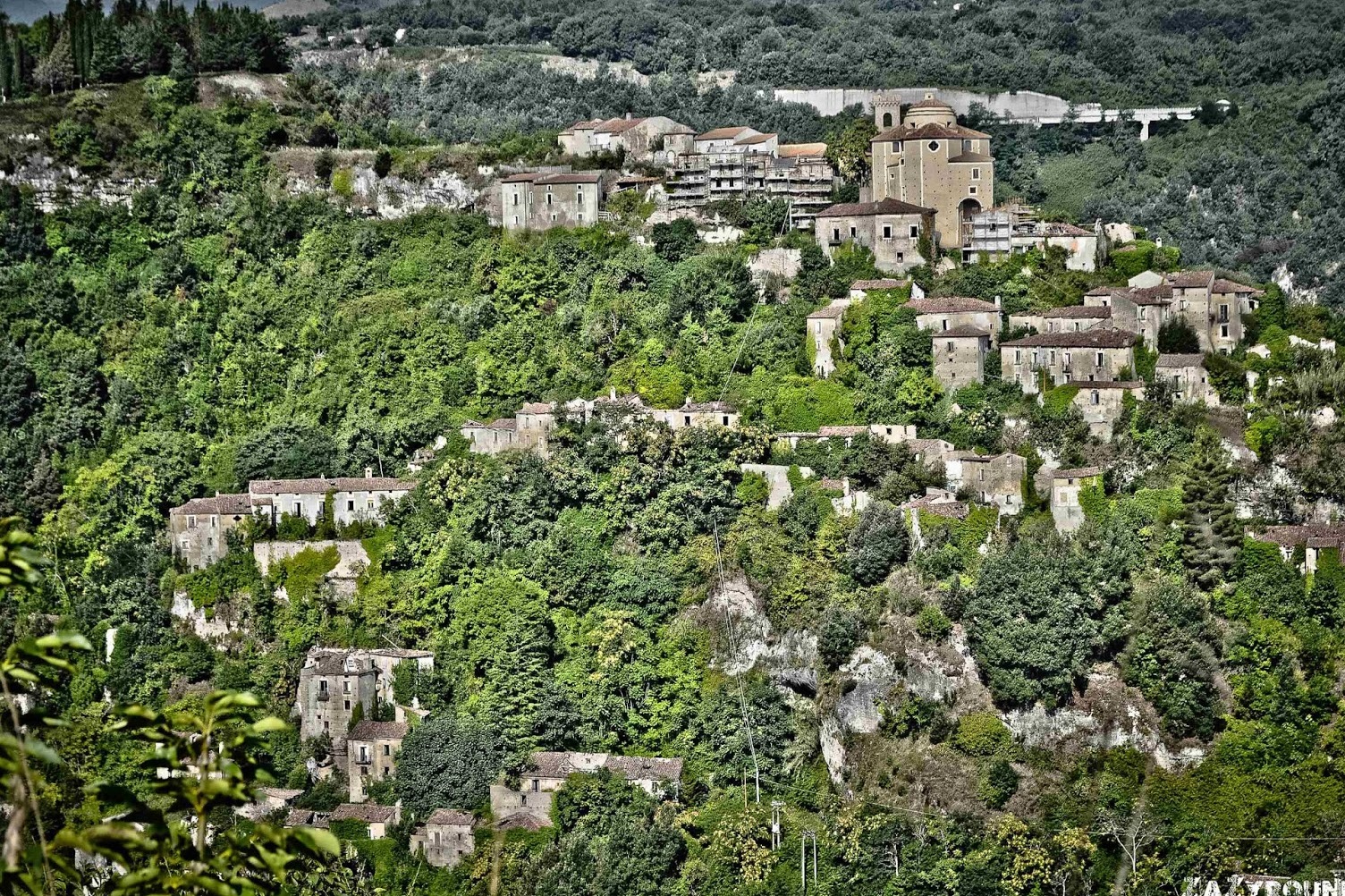

Nestled in the heart of the Pollino National Park, Laino Castello is a captivating tapestry of history, art, and culture. The remnants of Laino Castle whisper tales of a bygone era, offering a poignant glimpse into the past. The town's origins trace back to the ancient Lucani and Bruttii tribes, and it later flourished under the influence of the Normans in the 11th century. The castle itself, though now in ruins, stands as a testament to the strategic importance of Laino Castello during medieval times. Key events, like the battles fought during the Italian Wars in the 16th century, further highlight its historical significance.
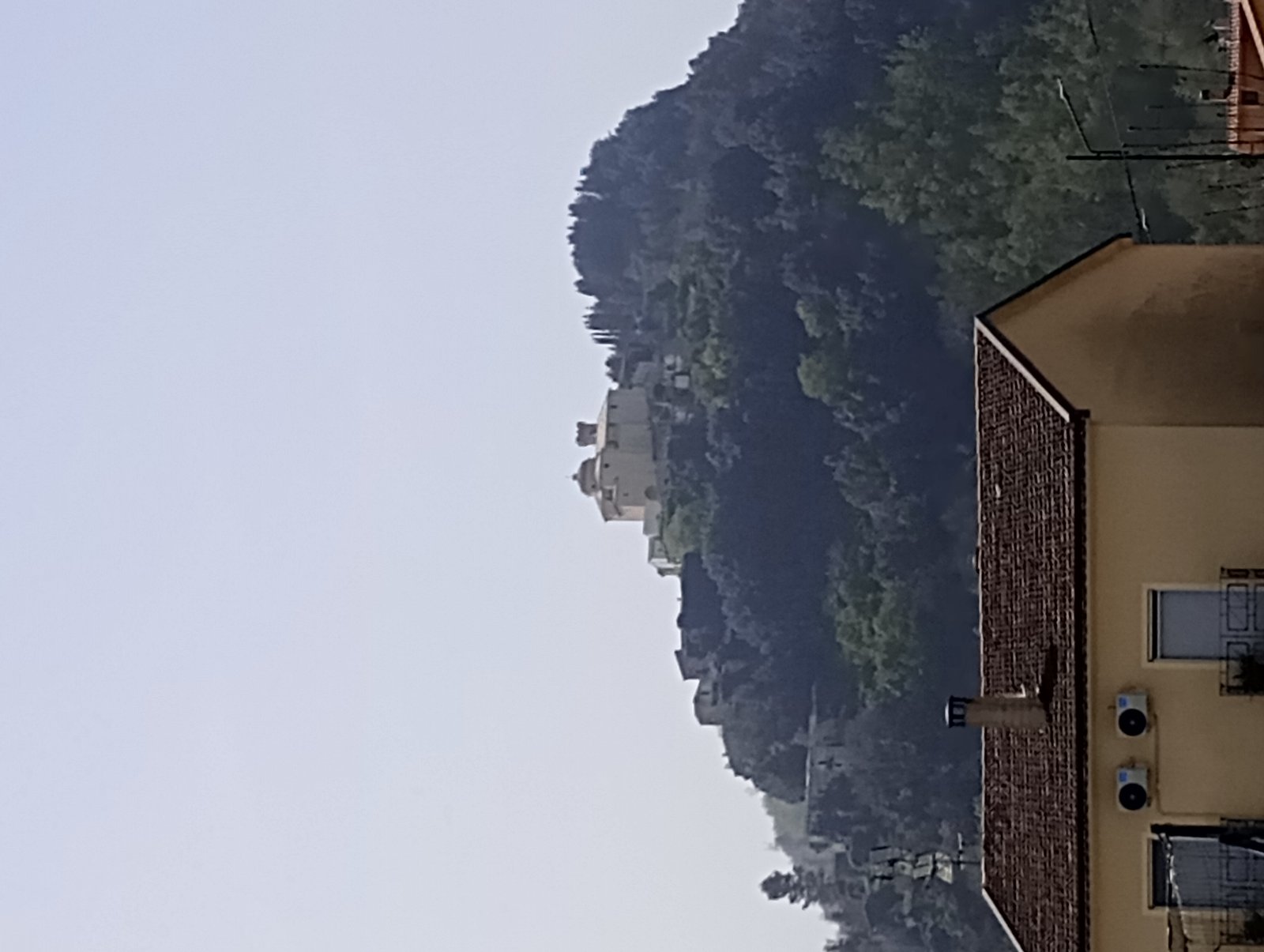
Walking through the town's narrow alleyways is like stepping into a living museum. The architecture of Laino Castello is a stunning blend of medieval and Renaissance styles. The noble palaces, with their hand-carved stone portals, display intricate coat of arms that tell stories of the original families that once resided here. Each stone seems to echo with the voices of the past, creating an atmosphere of timeless elegance. The Chiesa Madre di San Teodoro Martire, a notable church in the area, boasts exquisite frescoes that date back to the Renaissance, reflecting the town's rich artistic heritage.
Cultural traditions in Laino Castello are deeply rooted in its historical fabric. The town comes alive during festivals such as the Feast of San Teodoro, celebrated with fervor every September. Locals don traditional costumes, and the streets fill with music, dance, and vibrant processions, offering visitors an authentic taste of Calabrian culture. This sense of community and preservation of tradition is a cornerstone of life in Laino Castello.
Gastronomy in Laino Castello is a delightful journey for the senses. The region is known for its caciocavallo cheese and soppressata, a type of cured sausage that reflects the region's agricultural bounty. Local dishes such as lagane e ceci, a pasta and chickpea stew, highlight the simplicity and richness of Calabrian cuisine. Pair these with a glass of robust local red wine, and you have a meal that embodies the essence of Southern Italian tradition.
Beyond its historical and cultural allure, Laino Castello holds many lesser-known curiosities. The town's semi-abandoned state adds an element of mystery and exploration. Hidden pathways and forgotten courtyards await discovery, each corner offering a new perspective of the town's storied past. One intriguing tale is that of the ghost town of Laino Borgo, a nearby settlement that was abandoned after a devastating earthquake in 1982, leaving behind hauntingly beautiful ruins.
For those planning a visit, the best time to experience Laino Castello is in the spring or early autumn, when the weather is pleasant and the landscape is lush. Exploring the town on foot is highly recommended; the narrow streets are best navigated without the encumbrance of vehicles. Pay close attention to the details in the stonework and the fading frescoes, as these are the true treasures of the town. Engage with the locals, who are often eager to share stories and traditions with visitors.
In conclusion, Laino Castello is more than just a historical site; it is a living chronicle of Southern Italy's enduring legacy. Its fusion of history, art, and culture, set against the backdrop of the stunning Calabrian landscape, makes it an unmissable destination for those seeking an authentic and enriching travel experience.


