
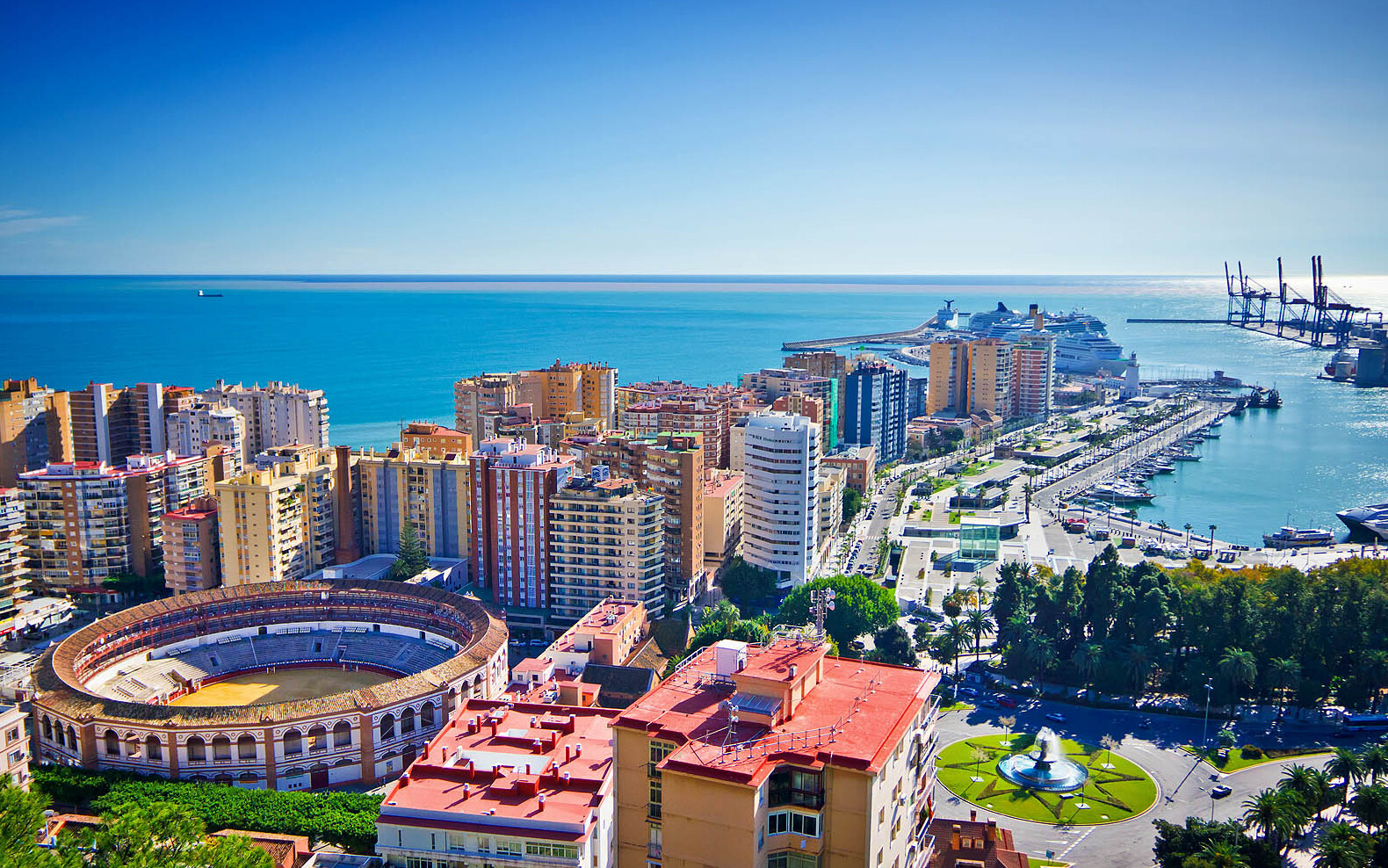

If you think the Costa del Sol is soulless, you clearly haven’t been to Málaga. This vibrant city, rich with history and artistic flair, is a shining example of cultural resilience and transformation. Known as the birthplace of Pablo Picasso, Málaga is a city that has embraced its multi-layered past while forging a forward-looking identity.
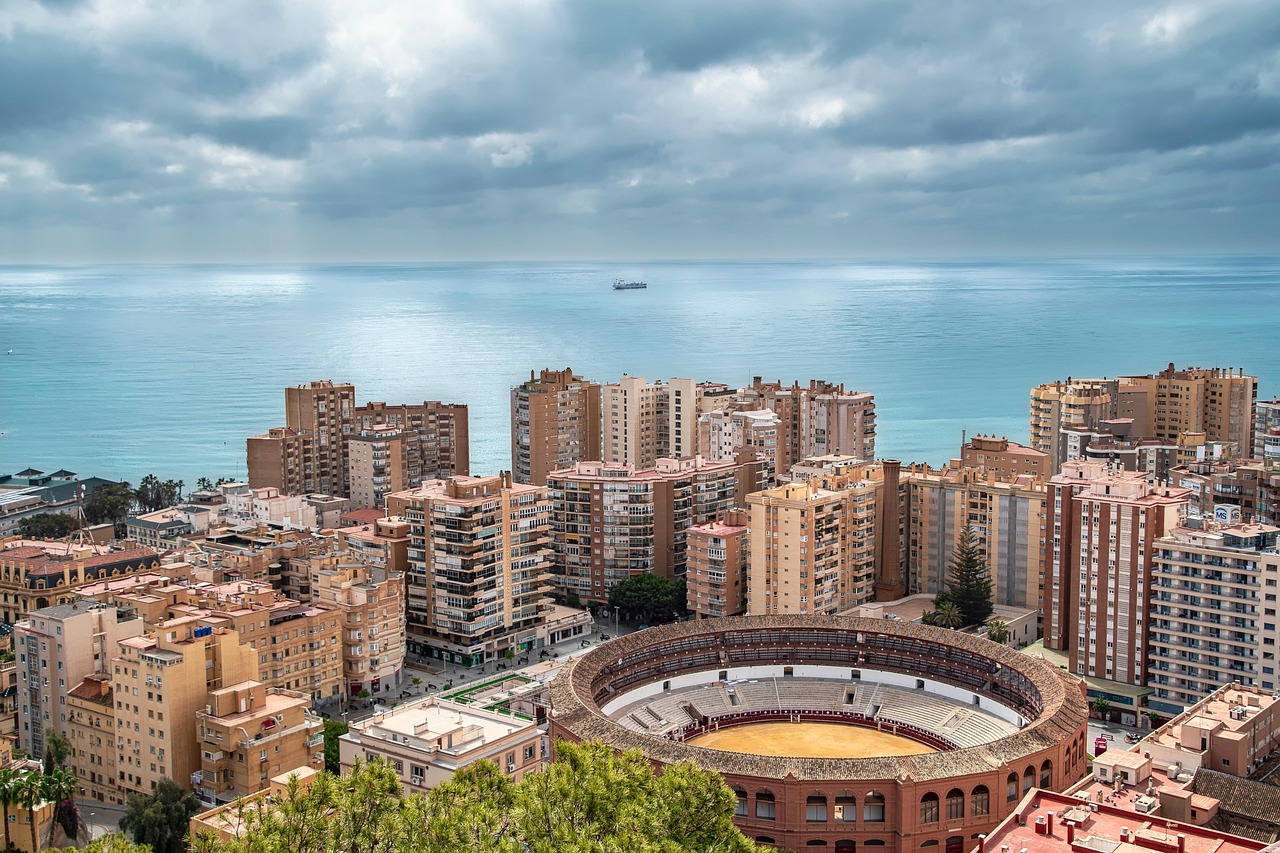
History and Origins
Founded by the Phoenicians around 770 BC, Málaga has a history that stretches back thousands of years. Its original name, Malaka, is believed to derive from the word for salt, reflecting the significance of local fisheries and salt production. Over the centuries, the city has seen the influence of the Romans, who established the town as Malaca and left behind impressive ruins, including a well-preserved theatre dating back to the 1st century BC.
The Moors later took control in the 8th century, leaving a lasting impact on the city's architecture, culture, and commerce. The Alcazaba, a stunning Moorish fortress built in the 11th century, still stands as one of Málaga's most iconic landmarks, along with the Gibralfaro Castle. After the Reconquista in 1487, the city became part of the Spanish crown, and it has since evolved into a bustling urban center that celebrates its diverse heritage.
Art and Architecture
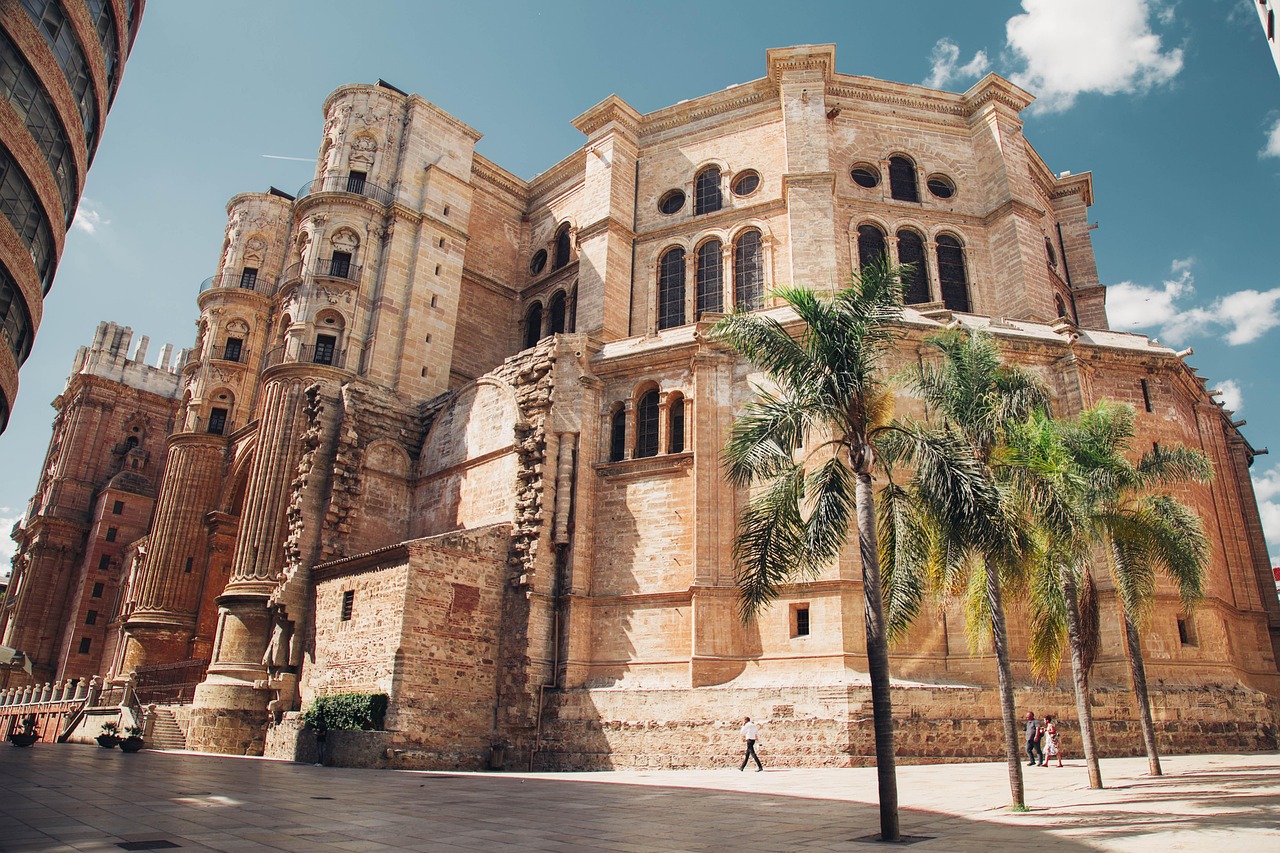
Málaga's architectural landscape is a tapestry of styles that tells the city’s story. The Cathedral of Málaga, known locally as "La Manquita" (the one-armed lady) due to its unfinished second tower, showcases a blend of Renaissance and Baroque elements. Inside, visitors are treated to stunning altarpieces and religious art.
The city is also home to a burgeoning art scene, exemplified by the Museo Picasso Málaga, which houses an extensive collection of works by Picasso himself, offering insights into the artist’s development and influences. The Centre Pompidou Málaga, a vibrant modern structure with a colorful glass cube, is another testament to the city's commitment to contemporary art.
In recent years, the Soho district has emerged as a cultural hub, featuring numerous street art installations and galleries, making it a must-visit for art enthusiasts. The combination of historical and modern art makes Málaga a unique destination for cultural exploration.
Local Culture and Traditions
Málaga is not just about art; its rich traditions and local customs add depth to its identity. The city celebrates several vibrant festivals, the most famous being Feria de Agosto, held in mid-August. This lively fair features parades, flamenco performances, and traditional food, showcasing the local spirit and community pride.
Another significant event is Holy Week (Semana Santa), a deeply religious celebration that attracts visitors from around the world. The processions, featuring elaborate floats and participants dressed in traditional robes, illustrate the city's strong Catholic heritage and its dedication to preserving age-old customs.
Gastronomy
No visit to Málaga would be complete without indulging in its remarkable gastronomy. The city is famous for its espeto, a traditional dish of sardines skewered and cooked over open flames on the beach. Pair this with a glass of fino, a locally produced dry sherry, for an authentic culinary experience.
Another local specialty is pescaito frito, a mix of fried fish served with a side of aji sauce. For those with a sweet tooth, tarta Malagueña, a delicious almond cake flavored with orange blossom, is a must-try. The thriving food scene ranges from Michelin-starred restaurants to bustling tapas bars, showcasing the best of Andalusian cuisine.
Lesser-Known Curiosities
Beyond the well-trodden tourist paths, Málaga is full of surprises. Did you know that the city has its own Carmen Thyssen Museum, featuring 19th-century Spanish paintings? This lesser-known gem showcases works that highlight the evolution of Spanish art during this period.
Another curiosity lies in the Atarazanas Market, where the building itself tells a story. Originally a 14th-century Moorish shipyard, it has been transformed into a vibrant market where locals shop for fresh produce, seafood, and meats, offering a taste of everyday life in Málaga.
Practical Visitor Information
The best time to visit Málaga is during the spring (April to June) and fall (September to October) when the weather is mild and pleasant. Be sure to explore the city on foot, as many attractions are within walking distance of each other.
When visiting, consider taking a stroll along the newly revitalized Muelle Uno, a waterfront promenade filled with shops and restaurants. Don’t miss a sunset view from the Gibralfaro Castle, offering panoramic vistas of the city and coastline.
Whether you're an art lover, a history buff, or a foodie, Málaga promises an unforgettable experience. To enhance your travel journey, consider using the Secret World app to create a personalized itinerary that showcases the best of this unexpected city.


