
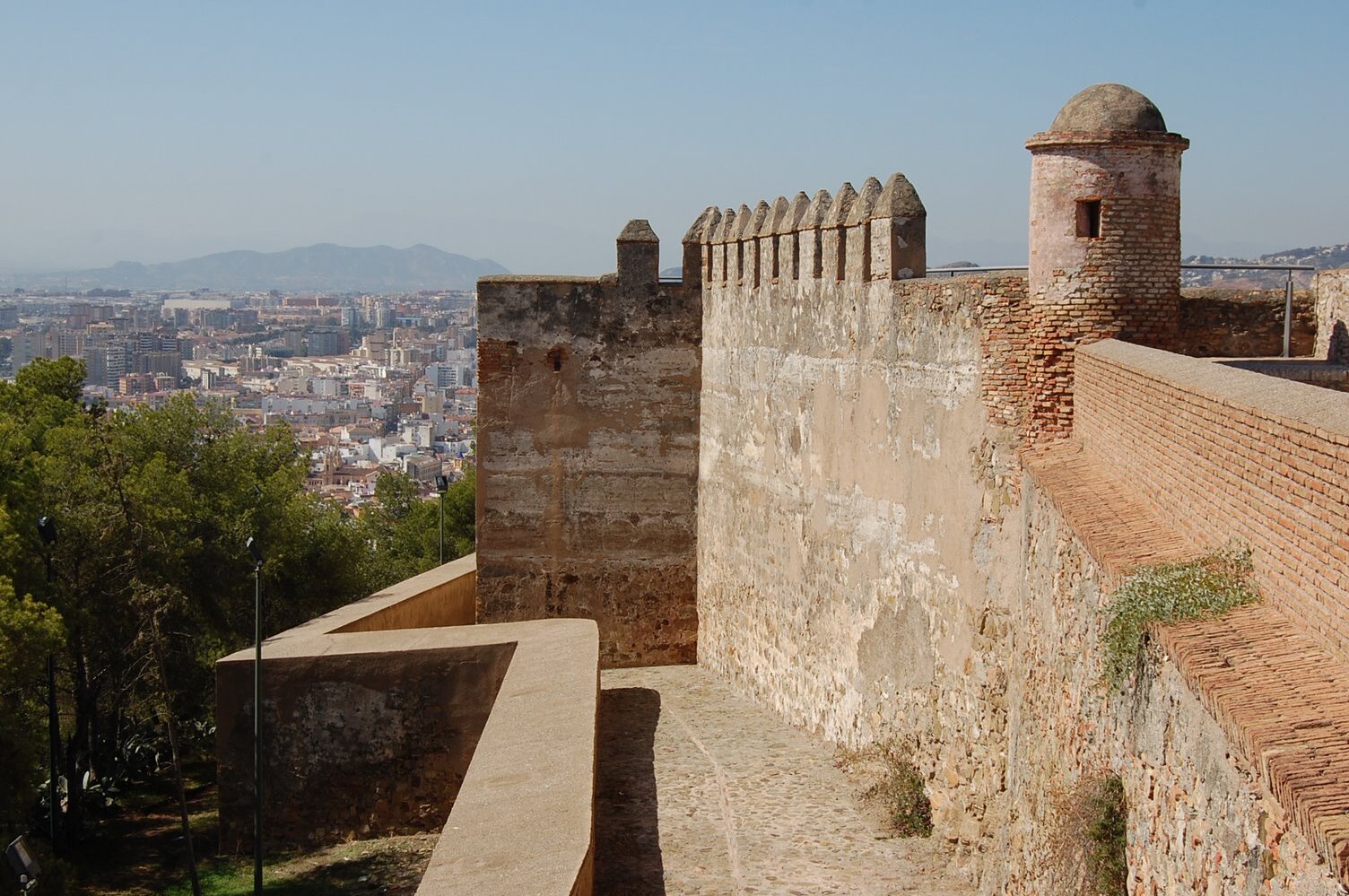

Perched majestically above the Alcazaba in Málaga, the Gibralfaro Castle stands as a sentinel of history, offering panoramic views of the vibrant city and the azure waters of the Mediterranean. Constructed in the 14th century, this formidable fortress was built under the rule of Yusuf I, the Nasrid Sultan of Granada, primarily to safeguard the Alcazaba and the city from potential invasions. Its name, derived from the Arabic "Jbel-Faro," translates to "Mountain of the Lighthouse," a nod to the ancient lighthouse that once stood nearby.
The history of Gibralfaro is woven into the fabric of Málaga itself. Originally a Phoenician trading post, Málaga has seen the rise and fall of various civilizations, including the Romans and Moors. The castle played a pivotal role during the Siege of Málaga in 1487, when Catholic Monarchs Ferdinand II of Aragon and Isabella I of Castile sought to reclaim the city. The castle’s walls witnessed fierce battles and strategic maneuvers, embodying the tumultuous history of the Reconquista.
Architecturally, Gibralfaro is a remarkable example of Islamic military design. The castle features robust defensive walls, crenellated battlements, and a series of towers that offer strategic vantage points over the surrounding landscape. Visitors can explore its winding pathways, which lead to the Torre Mayor—the main tower that dominates the castle's skyline. Inside, an exhibition area charts the castle’s history, showcasing artifacts and displays that connect modern visitors with its storied past.
Gibralfaro's artistic significance extends beyond its military purpose. The blending of Moorish and Renaissance architectural elements creates a unique aesthetic that reflects the cultural confluence in southern Spain. The intricate stonework and geometric patterns are testaments to the artisans who crafted this stronghold, leaving behind a legacy of beauty amidst the starkness of its military function.
Local culture thrives in the shadows of Gibralfaro, where traditions are steeped in the region's rich history. The annual Feria de Málaga, celebrated every August, transforms the city into a vibrant tapestry of music, dance, and color. This festival, honoring the city’s reconquest, features lively flamenco performances, parades, and traditional cuisine that embodies the spirit of Málaga. The locals proudly partake in this celebration, demonstrating their deep-rooted connection to their heritage.
Gastronomy in Málaga is a delightful exploration of flavors, influenced by its coastal location and agricultural bounty. Nearby, one can savor espeto de sardinas, a local delicacy of sardines skewered and grilled over open flames, best enjoyed along the beach. Accompanying this dish, a glass of vino de Málaga, a sweet wine often enjoyed as an aperitif, completes the culinary experience. Don’t miss trying gazpacho, a chilled tomato soup that refreshes during the warm summer months, showcasing the region's fresh produce.
For those who venture beyond the well-trodden paths, Gibralfaro holds lesser-known curiosities. One surprising fact is that it was once equipped with a sophisticated system of water cisterns, providing the castle with a reliable water source during sieges. Additionally, the castle is rumored to be haunted, with tales of ghostly figures appearing on moonlit nights, a testament to the many lives that have passed through its gates.
The best time to visit Gibralfaro is during the spring and autumn months, when the weather is mild, and the views are particularly stunning. Early morning or late afternoon visits provide the most enchanting light for photography, as well as a chance to enjoy the café perched at the castle’s edge. Here, you can sip a refreshing drink while soaking in the breathtaking views of the city and the coast, an experience that many visitors cherish.
When exploring Gibralfaro, take time to wander through its gardens and terraces, where you can appreciate the meticulously maintained flora that complements the fortress's imposing stone structure. Look out for the interpretive signs that provide context to the various features of the castle, enriching your understanding of its historical significance.
As you plan your visit to this remarkable site, consider using the Secret World app to craft a personalized itinerary that will help you uncover all the hidden gems of Málaga.


