
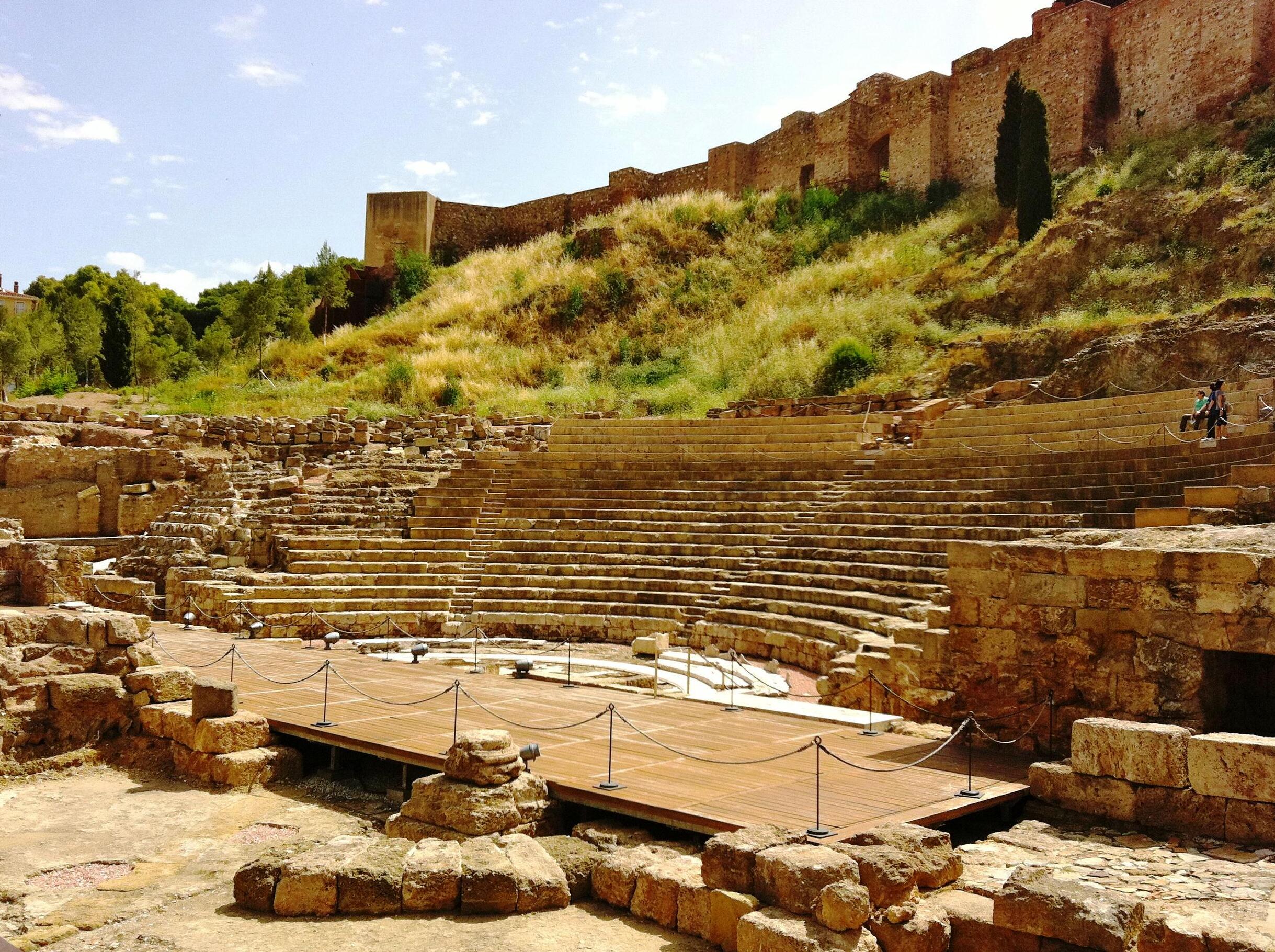

At the base of the imposing Alcazaba in Málaga, a remarkable relic of the city's ancient past unfolds—the Roman amphitheatre. Constructed around 1 BC, this structure is a stunning testament to the Roman influence that once thrived in this vibrant corner of southern Spain. Rediscovered by chance in 1951 during the construction of a nearby building, the amphitheatre has since become a symbol of Málaga’s rich historical tapestry.
The origins of the amphitheatre can be traced back to the period when Málaga—then known as Malaca—was a vital trading port in the Roman Empire. It served as a cultural hub, where various performances, including gladiatorial contests and theatrical productions, entertained the populace. This venue could accommodate approximately 3,000 spectators, who would gather to witness the spectacle, surrounded by the dramatic hills of the Sierra de la Almijara.
Architecturally, the amphitheatre embodies the characteristic features of Roman construction. Built primarily from local limestone, it showcases a semi-circular design complemented by tiered seating that remains relatively intact. The stage area, although partially eroded over time, still evokes the grandeur of performances long past. A notable feature is the access corridors, which highlight the amphitheatre's functionality, allowing for the smooth movement of both performers and audience. The remnants of this ancient venue are a canvas that narrates the artistry and engineering prowess of Roman architects.
Málaga's cultural vibrancy continues to resonate today, deeply intertwined with its history. The Semana Santa (Holy Week) is one of the most significant festivals, where the echoes of the past blend with contemporary religious expression. During this time, processions wind through the streets, bringing together locals and visitors alike. The amphitheatre, often a backdrop for various cultural events, offers a unique perspective on how history is celebrated and preserved in modern Málaga.
As you explore the local customs, you’ll discover that flamenco holds a special place in the hearts of the people. This passionate dance form, with its roots deeply embedded in Andalusian culture, often finds its way into performances held in the amphitheatre, enticing audiences with its rhythm and emotion. The amphitheatre becomes a stage not only for the echoes of ancient performances but also for the vibrant expressions of local tradition.
No exploration of Málaga would be complete without indulging in its gastronomy. The region is renowned for its espeto de sardinas, where sardines are skewered and grilled over an open flame, often served with a side of fresh bread and a squeeze of lemon. Another local delicacy is pescaito frito, a delightful mix of fried fish that embodies the Mediterranean spirit. Pair your meal with a glass of sweet Málaga wine, a fortified wine that has been produced in the area since ancient times. The culinary offerings are a reflection of the city’s coastal heritage and agricultural bounty.
Among the lesser-known curiosities surrounding the amphitheatre is its transformation over the centuries. After the fall of the Roman Empire, the structure fell into disrepair and was repurposed for various uses, including becoming a quarry for the construction of nearby buildings. The amphitheatre is not just a monument to Roman ingenuity; it is also a canvas that reflects the layers of history that have shaped Málaga into the city it is today.
For those planning a visit, the best time to explore the amphitheatre is during the spring and autumn months, when the weather is mild and pleasant. As you wander through the ancient stones, take note of the intricate details that might otherwise go unnoticed, such as the inscriptions that hint at the lives of those who once filled the seats. Be sure to check the schedule for any performances or festivals that might take place here, as they offer a unique opportunity to experience the amphitheatre in its full cultural context.
As you embark on your journey through the rich history and vibrant culture of Málaga, consider using the Secret World app to craft a personalized itinerary that reveals the hidden gems of this captivating city.


