
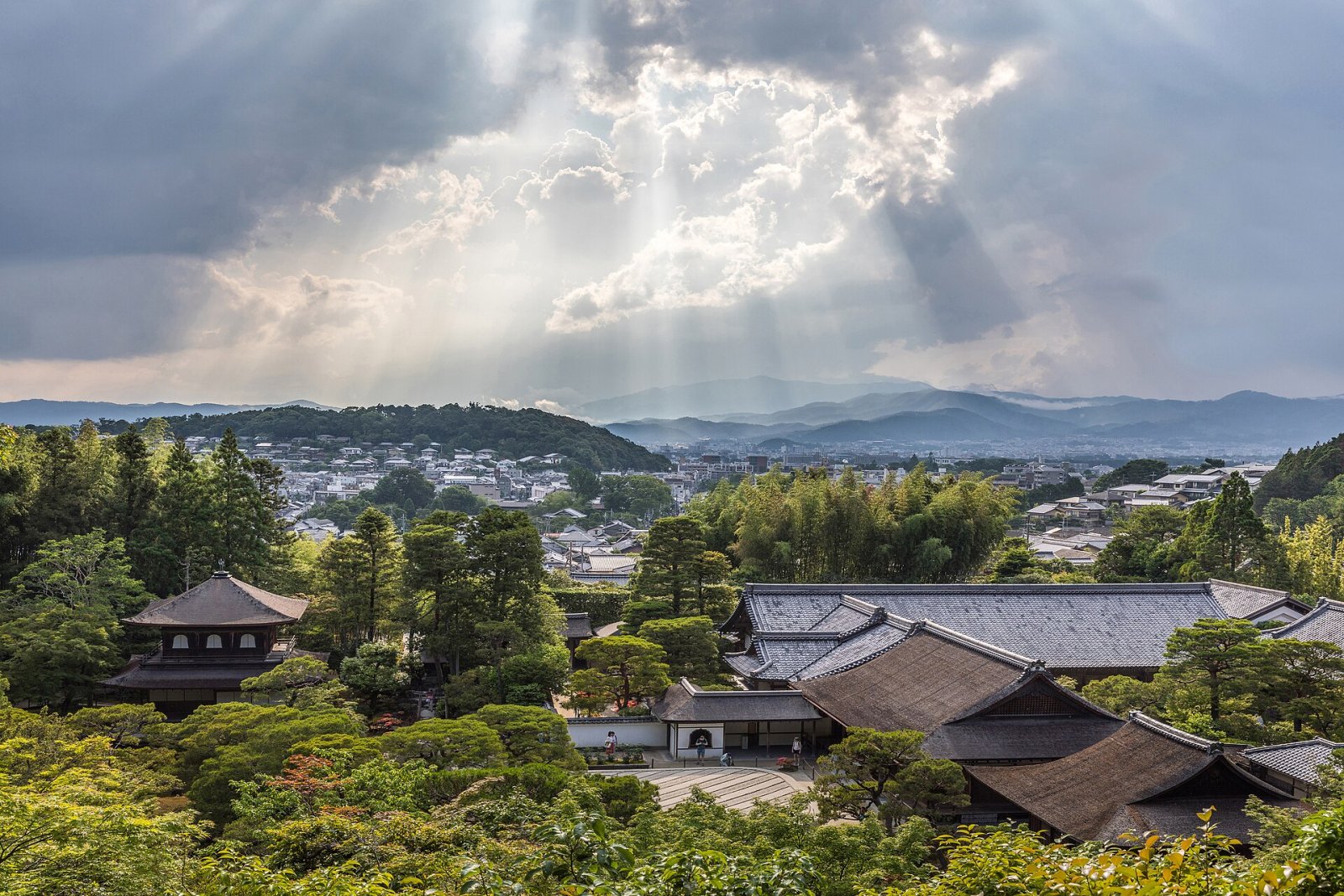

In the heart of Kyoto, one of the most enchanting cities in Japan, stands Ginkaku-ji, also known as the Silver Temple. This charming place, immersed in an atmosphere of serenity and natural beauty, is an extraordinary example of Japanese culture and traditional architecture. Despite its name, the temple has never been covered in silver, but its elegance and charm are undeniable.
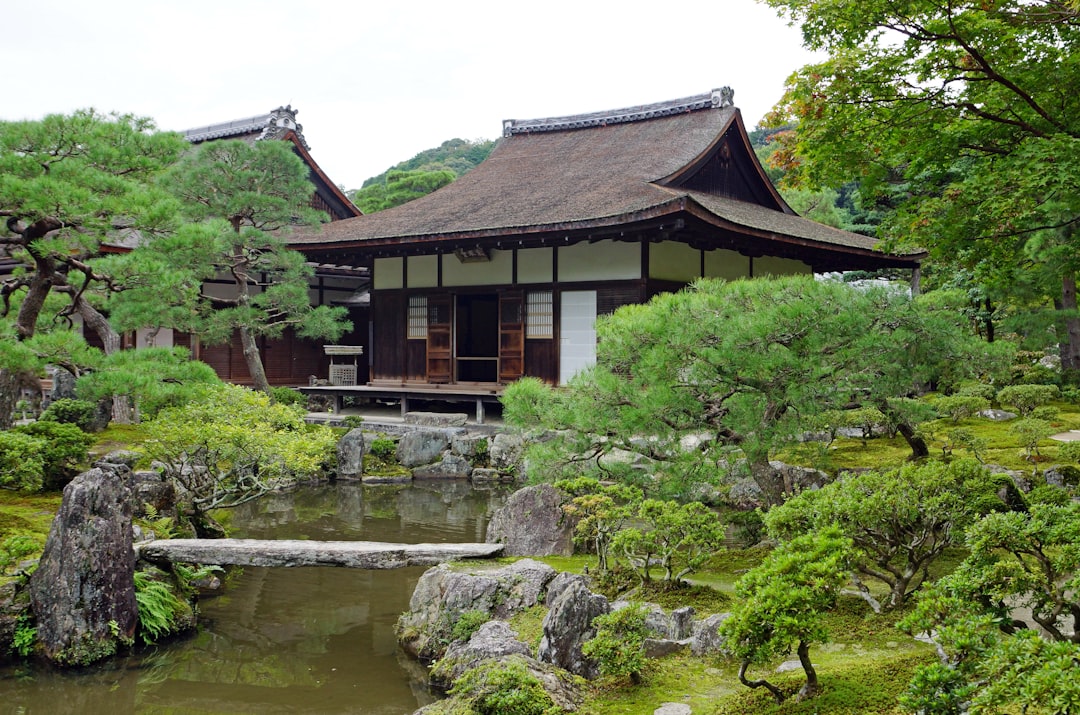
Founded in 1482 by the shōgun Ashikaga Yoshimasa as a retreat villa, Ginkaku-ji has become a symbol of Zen philosophy and imperfect beauty, reflecting the aesthetics of wabi-sabi. Its panoramic location, surrounded by a meticulously maintained garden and paths winding through ancient trees and ponds, offers a unique experience to visitors, inviting them to reflect on the beauty of nature and the passage of time.
Historical and Cultural Context
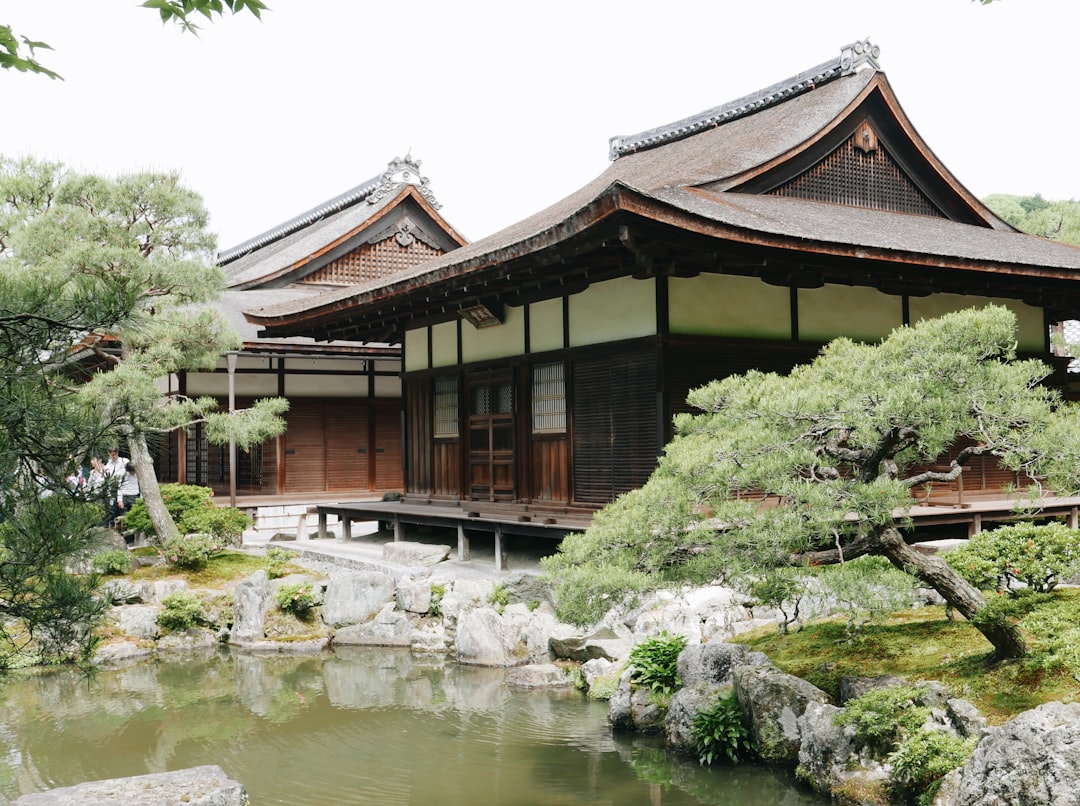
Kyoto, the ancient capital of Japan, is a cultural center of immense value. Ginkaku-ji, with its history intertwined with that of the samurai and Zen culture, represents a period of great artistic and philosophical development. The villa was designed as a place for meditation and contemplation, at a time when Japan was undergoing profound social and political changes. Its architecture, simple yet refined, is an example of how Japanese design can harmoniously blend with the surrounding environment.
The temple is also a witness to the Muromachi period, an era when tea culture, poetry, and visual arts flourished. The Zen philosophy, which emphasizes the importance of meditation and harmony with nature, is palpable in every corner of Ginkaku-ji, making it a place of great spiritual and cultural significance.
What Strikes You About the Place
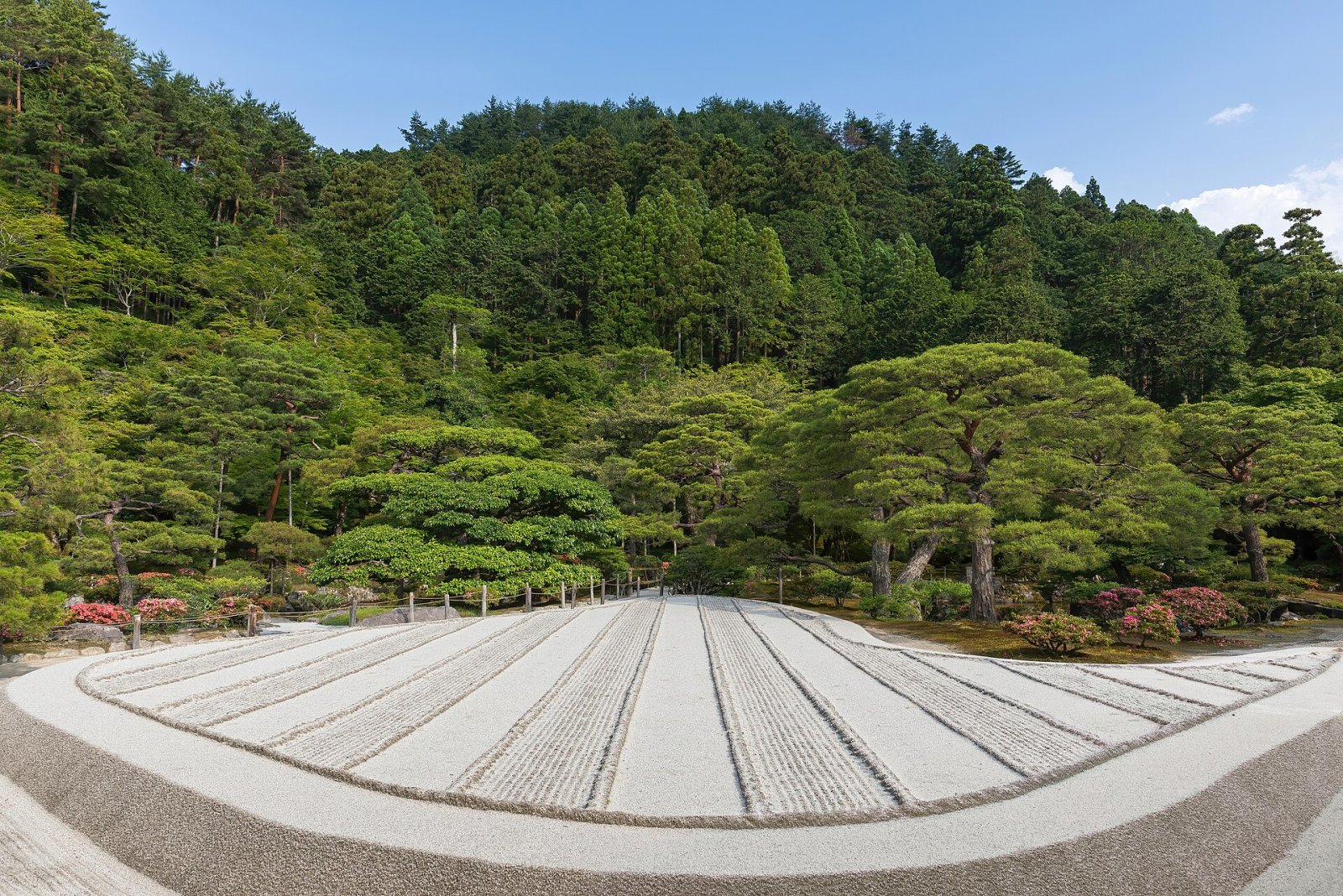
One of the most fascinating features of Ginkaku-ji is its garden, which represents a perfect balance between natural and artificial landscapes. Visitors can admire the famous sandō, a white gravel path that simulates the sea, and the moss hill that gracefully rises in the garden. Every element has been carefully designed to evoke a sense of calm and reflection, making the place ideal for meditation.
Moreover, the view from the terrace of the main temple is simply breathtaking. From here, one can observe the panorama of the city of Kyoto, surrounded by mountains that change color with the seasons. The beauty of Ginkaku-ji is not limited to its architecture but also extends to its ability to convey a sense of peace and harmony, inviting visitors to immerse themselves in Japanese culture.
Visiting Experience
Visiting Ginkaku-ji is a journey into the heart of Japanese culture. Upon entering the temple grounds, the atmosphere is immediately enveloping, with the sound of flowing water and the singing of birds filling the air. Visitors can stroll along the paths, exploring the gardens and admiring the beauty of every architectural detail. The temple also offers moments of tranquility, where one can sit and reflect, away from the hustle and bustle of daily life.
It is advisable to visit Ginkaku-ji during the early morning hours or late afternoon, when the sunlight creates plays of shadows and colors that further enhance the beauty of the place. Don't forget to bring a camera, as every corner of the temple offers extraordinary photographic opportunities.
Practical Information for Visitors
Ginkaku-ji is easily accessible by public transport, located a short distance from the center of Kyoto. Entrance to the temple is paid, but the cost is modest and worth every yen spent. It is advisable to respect the rules of the place, maintaining a quiet and respectful demeanor, in order to preserve the peaceful atmosphere that characterizes this site.
Finally, for those who wish to deepen their visit, it is useful to download the Secret World app, which offers detailed information and tips on how to best explore Ginkaku-ji and its surroundings. With its combination of history, beauty, and tranquility, Ginkaku-ji remains a must-visit place for anyone traveling to Kyoto.


