


The Bahia Palace in Marrakesh, Morocco, is a breathtaking example of 19th-century Islamic architecture, steeped in history and beauty. Built between 1890 and 1900 for Si Moussa, the Grand Vizier to the Sultan, this palace was designed to be a representation of brilliance—its name, Bahia, translates to 'brilliance' in Arabic. The palace was a grand undertaking, intended to be the finest of its time, showcasing both artistic and architectural mastery.
History and Origins The construction of the Bahia Palace began in the late 19th century, specifically between 1890 and 1900. It was commissioned by Si Moussa, who sought to create a living space that would reflect the opulence and elegance of the Moroccan elite. After his death, the palace was further embellished by his son, Moulay Abdellah, who added gardens and additional structures, significantly expanding its beauty and complexity. This historical site later served as a royal residence and has witnessed several key events, including the transitions of power in Morocco leading to its independence in 1956. Today, the Bahia Palace stands as a testament to the rich heritage of Moroccan architecture and history.
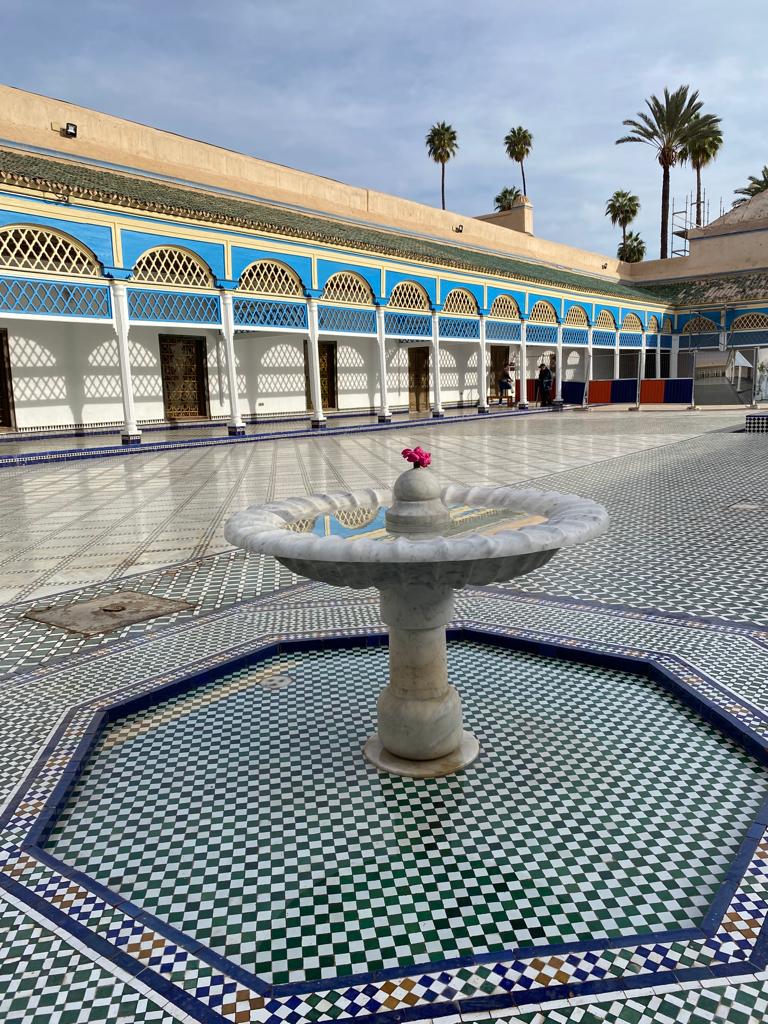
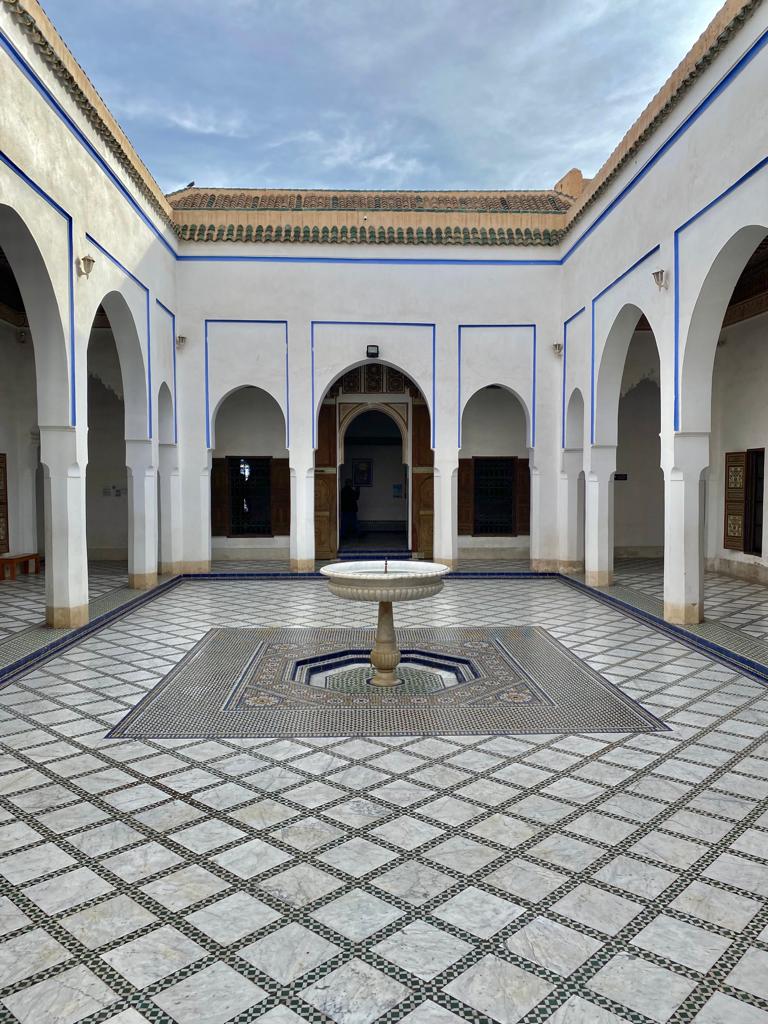
Art and Architecture The Bahia Palace is renowned for its stunning Islamic architecture, characterized by intricate tile work, carved wood ceilings, and beautiful marble floors. The layout of the palace is designed to evoke a sense of harmony and tranquility, with over 150 rooms arranged around a series of tranquil courtyards and gardens. The gardens themselves—spanning approximately two acres—feature a variety of plants, fountains, and reflecting pools that encourage peaceful reflection. Notable architectural elements include the zellige tiles, which are a hallmark of Moroccan design, and the lush courtyards that display a harmonious blend of nature and craftsmanship. The artistic significance of the palace lies in its embodiment of Moroccan culture and aesthetic values, making it a major attraction for art and history enthusiasts alike.
Local Culture and Traditions The Bahia Palace is not just an architectural marvel; it is also a cultural hub that reflects the traditions of Marrakesh. The palace is a popular venue during various local festivals, where traditional Moroccan music, dance, and art can be experienced. Events such as the Marrakech International Film Festival often celebrate Moroccan heritage and invite local artisans to showcase their crafts. Visitors can witness local customs, such as tea-drinking rituals, which symbolize hospitality and friendship, adding a deeper layer to the experience of the palace.
Gastronomy No visit to Marrakesh is complete without indulging in its culinary delights. The region is known for its vibrant flavors, and traditional dishes such as tagine—a slow-cooked stew made with meat, vegetables, and a blend of spices—are a must-try. Additionally, the sweet treat of baklava, layered pastry filled with nuts and honey, can often be found in local cafes near the palace. The aromatic Moroccan mint tea, served in elegant glasses, perfectly complements the rich culinary offerings and is an integral part of local culture.
Lesser-known Curiosities While the grandeur of the Bahia Palace is widely recognized, there are lesser-known stories that add intrigue to its history. For instance, the palace is said to be haunted by the spirit of a beautiful woman, a tale that echoes the romanticized narratives often found in Moroccan folklore. Additionally, many visitors miss the subtle details of the intricate tile work, which narrate stories of ancient Moroccan life and mythology through their designs. The interplay of light and shadow in the courtyards also creates a dynamic atmosphere throughout the day, inviting photographers and artists to capture its ephemeral beauty.
Practical Visitor Information The best time to visit the Bahia Palace is during the spring and autumn months (March to June and September to November), when the weather is mild and conducive for exploring the gardens. Be sure to wear comfortable shoes, as the sprawling palace grounds invite leisurely strolls. Look out for the beautifully painted wooden ceilings and the stunning stained glass windows, which are often overlooked by hurried tourists. To make the most of your visit, consider timing your visit early in the morning or late afternoon to avoid crowds.
The Bahia Palace in Marrakesh is more than a historic site; it is a vibrant testament to the city’s rich cultural tapestry. Make sure to immerse yourself in its beauty, history, and culinary delights during your visit. For a personalized exploration of Marrakesh, consider using the Secret World app to craft your own unique itinerary.


