
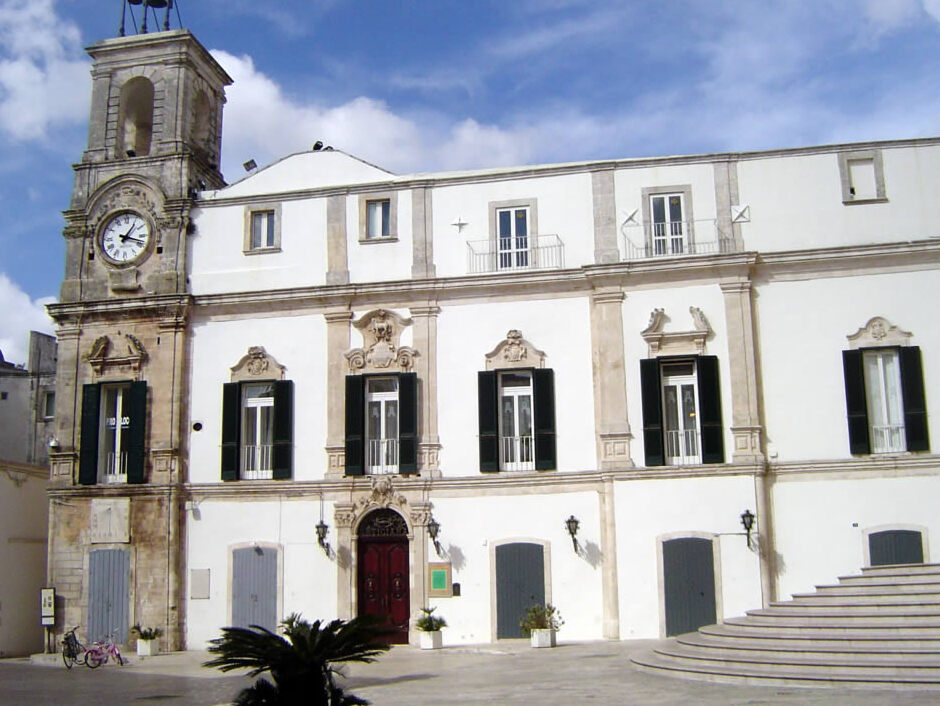

Nestled in the heart of Martina Franca, the University Palace stands as a testament to the town's rich historical tapestry. This magnificent structure, with its origins tracing back to the Middle Ages, was once the seat of the local parliament known as the Quare. This assembly of citizens, devoid of social distinctions, played a crucial role in discussing communal issues and ensuring a fair administration of the town’s resources under the auspices of Ferdinand of Aragon, King of Naples, who granted the rights to the citizens in the late 15th century.
The architectural style of the University Palace is a striking blend of Baroque and Renaissance elements, reflecting the artistic evolution of the region. The facade, adorned with intricate stone carvings and elegant arches, invites visitors to delve deeper into its history. Noteworthy artworks embellish the interior, including frescoes that depict significant historical events and local legends, showcasing the artistic prowess of the Apulian region. The palace has become an emblem of civic pride, serving not just as a building but as a symbol of the community's resilience and collective spirit.
Local culture in Martina Franca is vibrantly alive, particularly during the Festival of Valle d'Itria, held annually in July. This renowned opera festival transforms the town into a hub of artistic expression, drawing performers and audiences from all over the world. The streets come alive with music, performance, and a palpable sense of celebration, reflecting both the historical significance and the modern artistic spirit of the area.
Gastronomically, Martina Franca is celebrated for its capocollo, a cured meat that has attained PGI (Protected Geographical Indication) status. This delicacy is often enjoyed with local cheeses and paired with Primitivo di Manduria, a rich red wine that perfectly complements the region's culinary offerings. The town’s cuisine features a variety of traditional dishes, such as orecchiette con cime di rapa (pasta with turnip tops), showcasing the simple yet flavorful ingredients that define Apulian cooking.
In addition to its well-known historical and cultural significance, Martina Franca holds lesser-known curiosities that intrigue visitors. For instance, many don't realize that the surrounding countryside is dotted with ancient trulli, traditional stone huts that are unique to the region. These charming structures, with their conical roofs, evoke a sense of nostalgia and offer a glimpse into the rural life of past centuries. Moreover, the University Palace itself is said to harbor hidden passages and secret chambers, remnants of its past as a political stronghold.
The best time to visit Martina Franca is during the spring and fall months, when the weather is mild and the town is less crowded. Visitors should take the time to wander through its narrow streets, explore the local artisan shops, and indulge in the culinary delights at family-run trattorias. Key attractions include the adjacent Basilica di San Martino, known for its stunning Baroque facade and lavish interior, which further enhances the cultural experience.
To truly appreciate the essence of Martina Franca, one must immerse themselves in its rich history, savor its culinary offerings, and partake in its vibrant festivals. Each corner of this enchanting town tells a story waiting to be discovered.
For a personalized experience that captures the heart of Martina Franca, consider using the Secret World app to create your tailored itinerary.


