
Nestled in the heart of Martina Franca, the Ducal Palace stands as a magnificent testament to the region's rich history and artistic heritage. Built in 1668 by Petracone V Caracciolo, the palace occupies the site of a medieval castle established in 1388 by Raimondo Orsini del Balzo, the Prince of Taranto. This seamless blend of historical significance and architectural splendor makes the Ducal Palace a must-visit destination in southern Italy.
### History and Origins The origins of the Ducal Palace of Martina Franca are steeped in the layers of Italian history. The site was initially home to a fortress constructed in 1388 that served as a stronghold for the Orsini family, who played a crucial role in the political landscape of the region. By the mid-17th century, the noble lineage of Caracciolo sought to create a more permanent symbol of their power and prosperity. Under the guidance of architect Giovanni Andrea Carducci, the Ducal Palace was completed, reflecting the grandeur of the Baroque period. Notably, the project received the endorsement of the renowned artist Gianlorenzo Bernini, which speaks volumes about its artistic significance.
Throughout the centuries, the palace has witnessed numerous historical events, including its transformation into the seat of the town hall and the municipal library, thereby ensuring its continued relevance in the community.
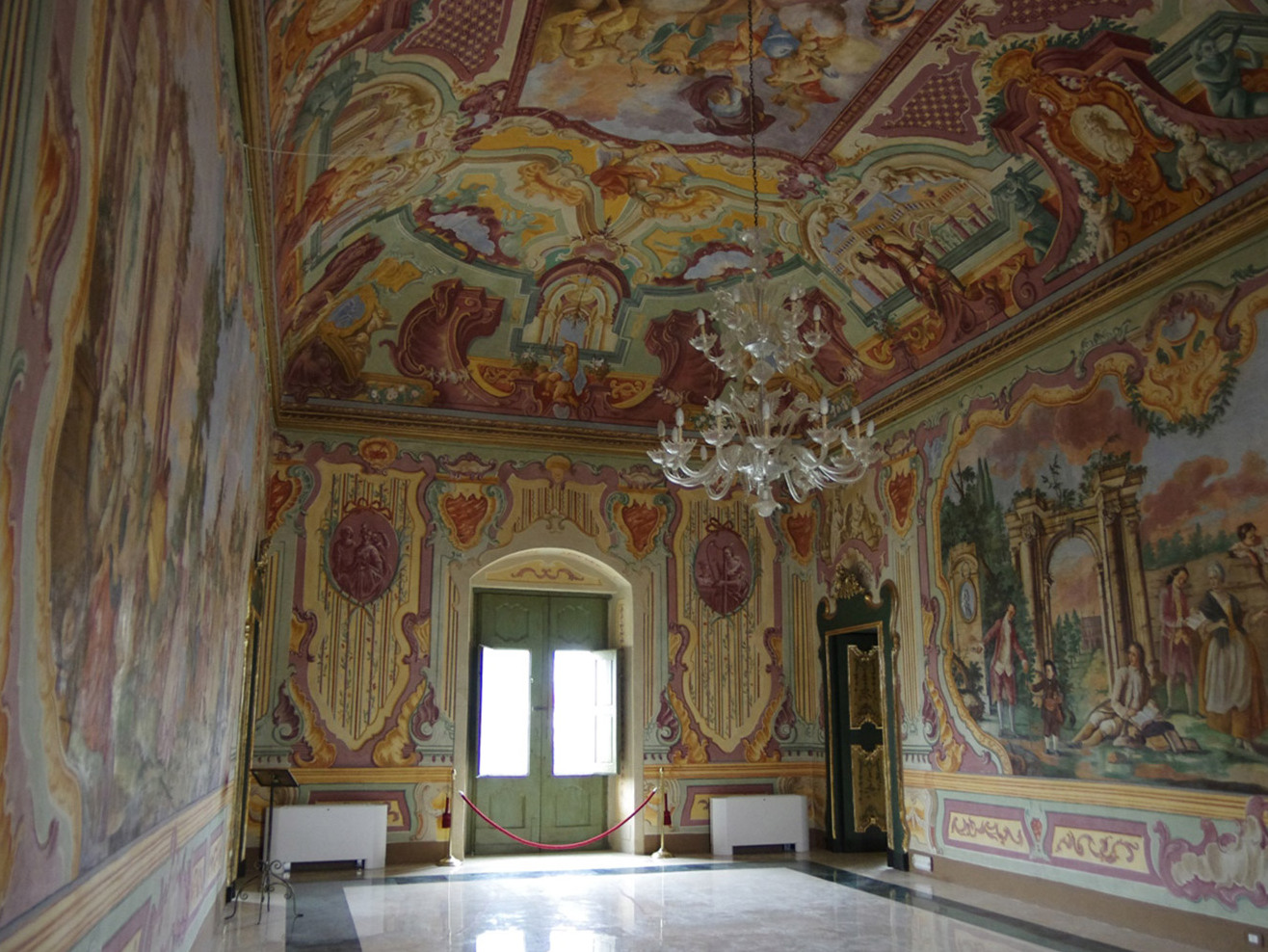
### Art and Architecture The architectural style of the Ducal Palace can be classified as Baroque, characterized by its opulent decorations and elaborate details. The façade captivates visitors with its impressive symmetry and intricate stone carvings. Entering the palace, one is immediately struck by the lavishly decorated rooms, adorned with frescoes, stucco work, and ornate furnishings that narrate the story of its illustrious past.
Among the notable artworks is the stunning ceiling fresco in the main hall, which showcases the artistic prowess of the period. Each room tells a story, revealing the lifestyle and tastes of the nobility who once inhabited these walls. The Strovano, or the palace's internal courtyard, is a beautiful space that reflects the mastery of design and serves as a serene backdrop for visitors exploring the palace's history.
### Local Culture and Traditions Martina Franca is not only a historical gem but also a vibrant center of local culture. The town comes alive during its numerous festivals, most notably the Valle d'Itria Festival, which celebrates opera and classical music in the stunning settings of the Ducal Palace. Every summer, visitors can enjoy performances that resonate through the corridors of this historic venue, blending music with history in a truly unforgettable experience.
Local customs are deeply rooted in the traditions of the Itria Valley, where the palace serves as a focal point for community gatherings and celebrations. The Festa di San Martino, celebrated in November, is another highlight, showcasing the local customs and the region's agricultural heritage through food and music.
### Gastronomy No visit to Martina Franca would be complete without indulging in the local gastronomy, which is as rich as its history. The area is renowned for its capocollo, a cured meat that is a staple of Apulian cuisine. This delicacy is often enjoyed with a glass of Primitivo wine, a robust red wine produced from local vineyards.
Other local dishes include orecchiette con cime di rapa, a traditional pasta dish that perfectly reflects the region's agricultural bounty. The culinary scene in Martina Franca is vibrant, with numerous trattorias offering authentic flavors that transport visitors back to simpler times.
### Lesser-known Curiosities While the grandeur of the Ducal Palace is widely recognized, several lesser-known facts often elude the casual visitor. One intriguing detail is the palace's hidden secret passages, designed for the nobility to move discreetly throughout the building. Additionally, the palace is said to be haunted, with tales of ghostly figures wandering its opulent halls, adding a layer of mystery to its already rich history.
### Practical Visitor Information The best time to visit the Ducal Palace is during the spring and early fall when the weather is pleasant for exploring both the palace and the charming streets of Martina Franca. Make sure to check the local calendar for festivals and events that might coincide with your visit, as these provide a unique insight into the town's culture.
When visiting, don’t forget to explore the surrounding areas, including the stunning Trulli of Alberobello and the breathtaking Gargano National Park, both within a short drive from the palace. Whether you're drawn by the history, art, or gastronomy, the Ducal Palace of Martina Franca offers a rich tapestry of experiences waiting to be uncovered.
For an unforgettable journey, consider using the Secret World app to craft a personalized itinerary to explore the treasures of Martina Franca.
