
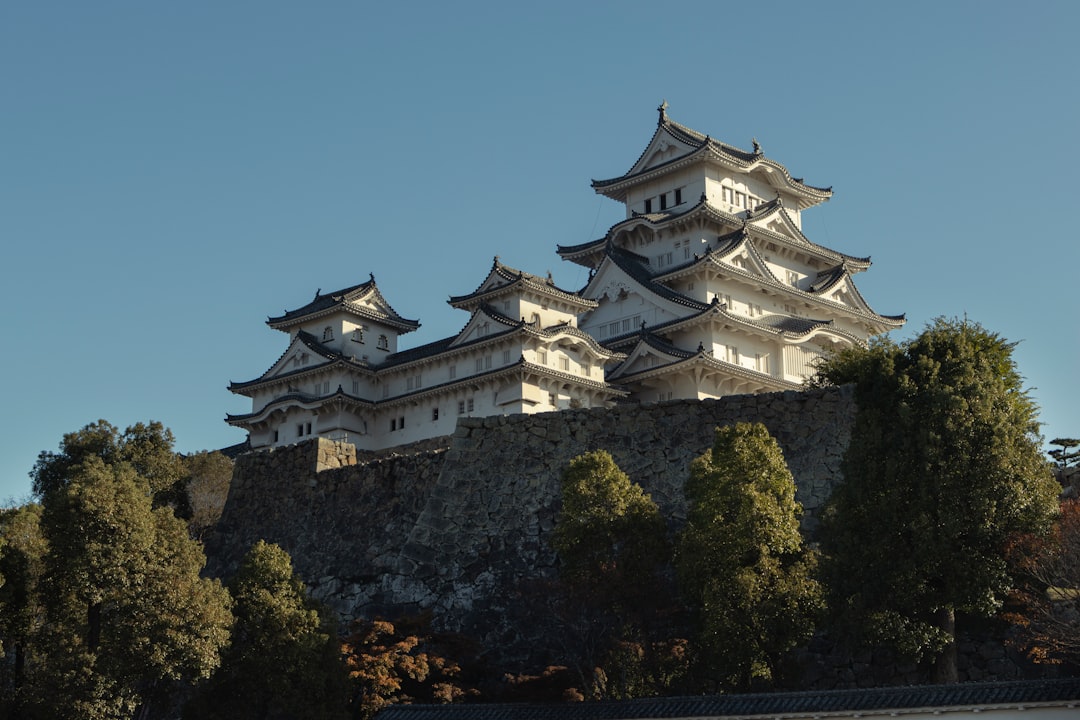

In the heart of Shimane Prefecture, Matsue is a city that tells stories of a rich and fascinating past. Among its most precious treasures is Matsue Castle, a castle that not only embodies Japanese architectural beauty but is also a symbol of the history and culture of the region. With a population of about 207,000, Matsue is the largest city in the province of Izumo, and the castle serves as a focal point for residents and visitors.
Built in the 17th century, Matsue Castle is one of the few Japanese castles that have remained intact over the centuries, offering an authentic glimpse into the lives of samurai and feudal architecture. Its strategic location overlooking Lake Shinji not only makes it a scenic spot but also an important strategic observation point for the city's defense.
History and origins
Matsue Castle was erected in 1611 at the behest of Matsudaira Naomasa, a feudal lord of the Edo period. The construction of the castle reflects the architectural techniques of the time, with a wooden structure and an imposing main tower. The choice of location was not random: the castle was designed to dominate the surrounding landscape and ensure the safety of the province. Its construction fits into a context of rivalry among clans and the consolidation of power by feudal lords, making it a symbol of authority and prestige.
Over the centuries, the castle has undergone various modifications and restorations, but it has retained its original charm. During the Meiji period, when Japan embarked on a path of modernization, Matsue Castle was one of the few not to be demolished, thanks to its historical and cultural significance. Today, the castle is considered a National Cultural Asset and represents a living testament to Japanese history.


