
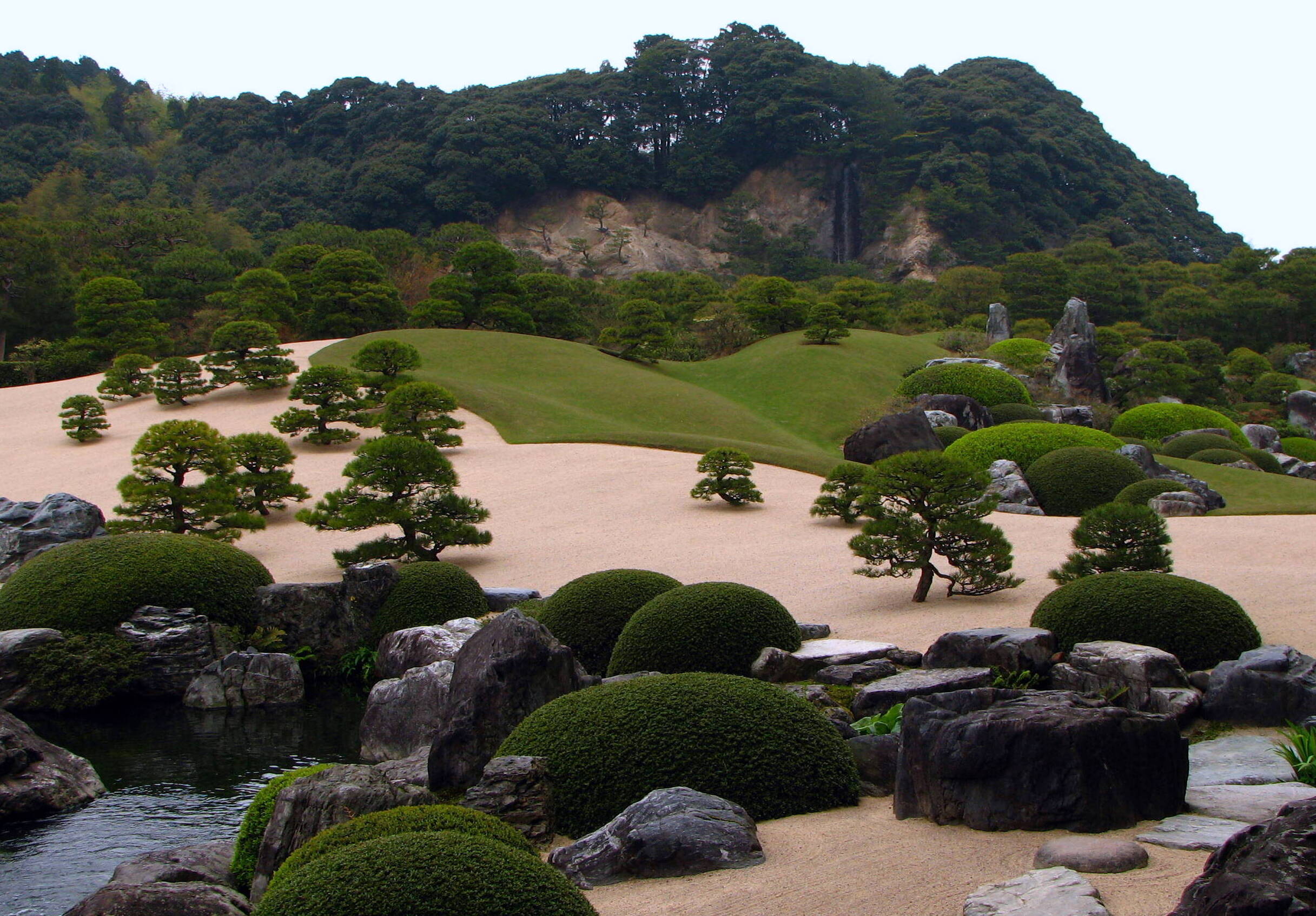

Nestled in the tranquil landscapes of Yasugi, Japan, the Adachi Museum of Art serves as a serene haven for lovers of traditional Japanese aesthetics. Founded by Adachi Zenko in 1980, the museum was born from his dual passions for Japanese art and garden design. Zenko envisioned a space where the beauty of nature and the finesse of art could coexist, enriching visitors’ appreciation of both.
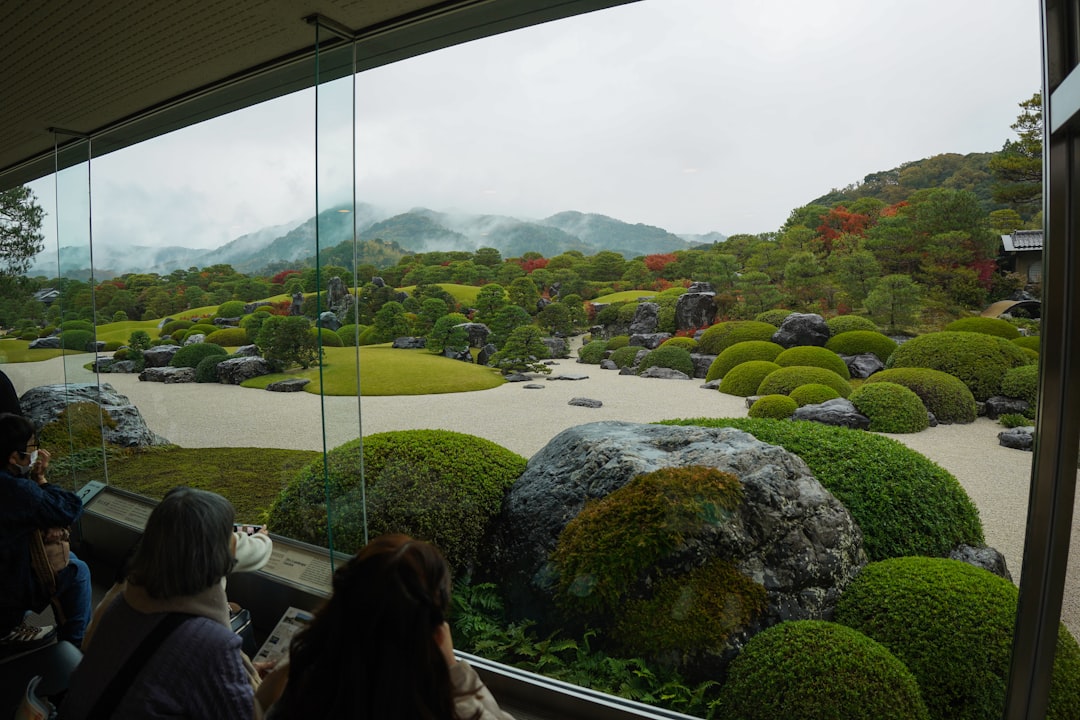
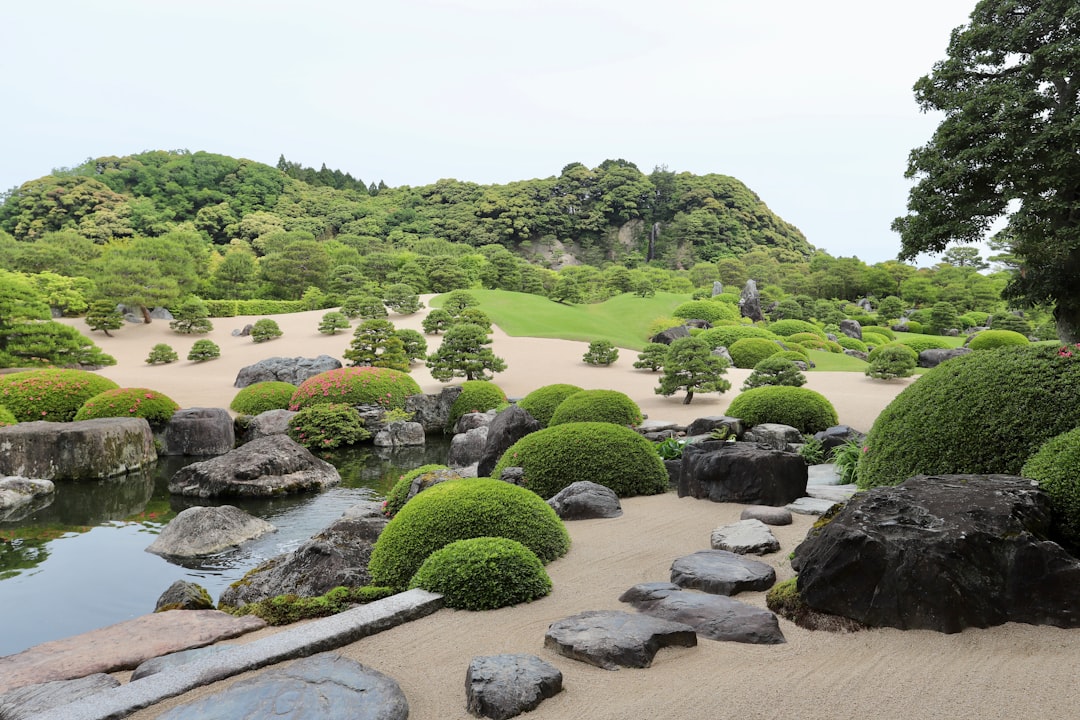
The museum's history intertwines with the rich tapestry of Japanese culture. Although relatively modern, its inception marked a significant shift in how contemporary Japanese art could be showcased alongside traditional gardening—a practice that dates back centuries. The museum's gardens, meticulously designed, have garnered acclaim, being named the best in Japan annually since 2003 by the Journal of Japanese Gardening. Each season breathes new life into the garden, offering visitors a fresh perspective, while its views can only be savored from the museum’s interior, enhancing the sense of exclusivity and tranquility.
Architecturally, the Adachi Museum of Art features a blend of traditional Japanese design elements with contemporary aesthetics. The main building is minimalistic yet elegant, allowing the surrounding gardens to take center stage. The use of natural materials and thoughtful spatial arrangements encourages a harmonious dialogue between the interior and exterior. Within its walls lies a remarkable collection of nearly 1,300 pieces of 20th-century art, which are rotated seasonally to keep the experience dynamic. Notably, the museum showcases Yokoyama Taikan, a pivotal figure in the Nihonga movement, whose works reflect a deep connection to nature and Japanese spirituality.
The local culture surrounding the Adachi Museum of Art is rich with traditions and customs reflective of Yasugi’s heritage. The region is known for its Mizuki Festival, celebrated each summer, which features traditional dance and music, paying homage to local deities. This vibrant event typically attracts tourists and locals alike, creating a lively atmosphere that contrasts with the museum's serene gardens. Additionally, the art of Kintsugi, or repairing pottery with lacquer and gold, is celebrated here, symbolizing beauty in imperfection—a philosophy aligned with much of Japanese art.
When it comes to gastronomy, Yasugi offers delightful local specialties that reflect the region's agricultural abundance. Soba noodles, made from buckwheat, are a staple, often enjoyed with a variety of dipping sauces. The town is also known for its Japanese sake, produced from the pristine waters of the nearby Mount Daisen. Pairing a visit to the museum with a tasting of locally brewed sake provides a holistic experience of the region's artistry, both in food and culture.
For those curious about lesser-known curiosities, the Adachi Museum harbors secrets that often elude the casual visitor. One such detail is the careful design of the gardens to reflect the shakkei principle, or "borrowed scenery," where distant landscapes are incorporated into the garden's design. This creates a seamless visual connection between the garden and the surrounding mountains. Furthermore, the museum's commitment to preserving the essence of Japanese aesthetics is evident in its choice of seasonal blooms, which are meticulously curated to reflect the current time of year.
If you're planning a visit, the best time to explore the Adachi Museum of Art is during the spring and autumn months when the gardens are in full bloom, showcasing cherry blossoms and vibrant autumn leaves, respectively. Arriving early in the day is advisable, as this allows for a peaceful experience before the crowds arrive. Take your time to wander and immerse yourself in the tranquil atmosphere, and make sure to bring a camera—though photography is limited, the sights will leave lasting impressions.
In conclusion, the Adachi Museum of Art is a treasure trove of Japanese culture, art, and natural beauty, offering visitors a unique glimpse into the harmonious relationship between these elements. A visit to Yasugi would not be complete without experiencing this exquisite museum and its gardens.
Consider using the Secret World app to plan a personalized AI itinerary to explore Yasugi's hidden gems.


