
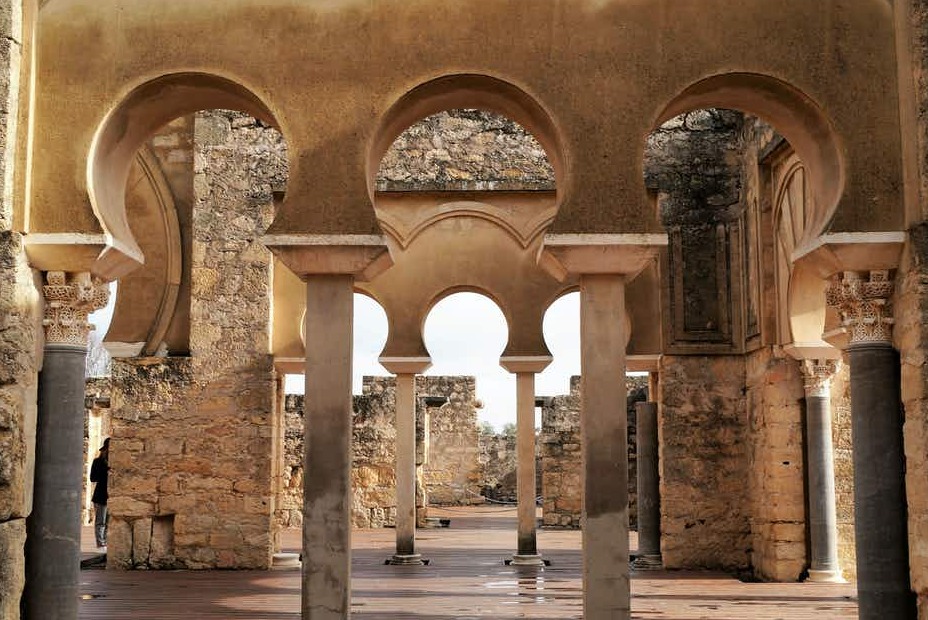

Just under 10 km from the historic center of Córdoba, the majestic ruins of Medina Azahara rise from the landscape, whispering tales of a bygone era. This impressive archaeological site was established in 936 AD by Abd al-Rahmān III, the first caliph of Córdoba, and is emblematic of the cultural zenith of Islamic rule in Andalusia during the late 10th century. As the caliph sought to consolidate his power, he envisioned a grand city that would serve as both a royal residence and a political statement, reflecting the wealth and sophistication of his rule.
The history of Medina Azahara is as fascinating as its ruins. Constructed over a period of approximately 40 years, this palatial city was designed to showcase the splendor of Islamic art and architecture. Its strategic location, nestled against the Sierra de Córdoba, not only provided natural beauty but also served as a defensive measure against potential invaders. The city was a vibrant center of administration and culture until its destruction in the early 11th century, when it fell victim to civil strife during the disintegration of the Umayyad Caliphate. Despite its demise, the ruins serve as a powerful testament to the ambition and artistic vision of its creators.
Architecturally, Medina Azahara is a stunning example of Islamic architecture. The site features a combination of grand palaces, lush gardens, and intricate fountains, showcasing the advanced engineering and aesthetic sensibilities of the time. The layout of the city is carefully planned, with a series of terraces and pathways that guide visitors through its historic core. One of the most notable structures is the Hall of the Ambassadors, whose intricate mosaics and elaborate stucco work exemplify the artistry of the era. The use of geometric patterns, calligraphy, and vibrant colors reflects the deep spiritual and artistic values of Islamic culture, making this site an essential visit for anyone interested in the historical significance of art.
Visitors to Medina Azahara will find that the site is more than just ruins; it is a cultural symbol that continues to influence local traditions. The annual Festival of Light, held in Córdoba, celebrates the city’s rich Islamic heritage with light installations and cultural performances that draw from the region's past. Local customs are steeped in this history, with many residents still practicing traditional crafts and trades that have been passed down through generations. The blend of cultures in Córdoba is also evident in its music and dance, including flamenco, which has roots in the diverse influences of the city’s history.
No exploration of Córdoba would be complete without indulging in its gastronomy. The region is known for its salmorejo, a thick, cold tomato soup garnished with hard-boiled eggs and jamón, which is perfect for warm days. Another must-try dish is flamenquín, a delicious roll of meat wrapped around ham and deep-fried to perfection. Pair your meal with a glass of local Montilla-Moriles wine, a richly flavored wine that complements the region's diverse culinary offerings. For a sweet treat, don't miss pasteles de aceite, a delightful pastry made with olive oil, an ingredient that has been a staple in Andalusian cuisine for centuries.
Among the many stories associated with Medina Azahara, one lesser-known curiosity involves the techniques used by the artisans who built the city. Recent archaeological discoveries have revealed that the builders employed an innovative system of water management to support the gardens and fountains, showcasing their advanced understanding of hydraulics. The site also holds a wealth of inscriptions and remnants of daily life, providing insights into the social dynamics of the time. For instance, pottery shards and tools uncovered in the area tell stories of the everyday lives of those who once inhabited this splendid city.
For those planning a visit, the best time to explore Medina Azahara is during the spring or fall, when the weather is mild and the landscape is in full bloom. The site is open year-round, but arriving early in the morning can help you avoid crowds and allow for a more intimate experience. Be sure to allocate enough time to wander through the ruins, take in the stunning views, and visit the on-site museum, which houses artifacts that further illuminate the significance of this incredible site.
As you embark on your journey through Córdoba, remember that the rich tapestry of history, art, and culture is waiting to be discovered in every corner. Whether you're drawn to the architectural wonders of Medina Azahara or the culinary delights of the region, your adventure promises to be unforgettable. To make the most of your exploration, consider using the Secret World app to plan a personalized AI itinerary for your visit to Córdoba.


