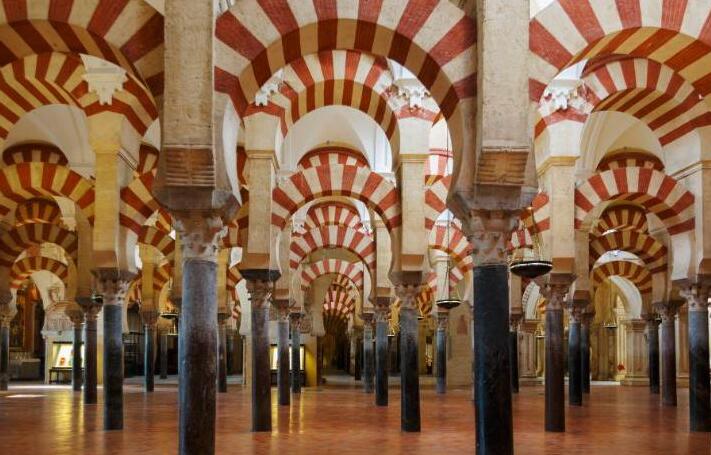

A visit to Córdoba is not complete without stepping into the enchanting world of the Mezquita, a testament to the city’s rich historical tapestry. This magnificent structure, once a mosque and now the Cathedral of the Immaculate Conception of Mary Most Holy, stands as a symbol of the cultural and religious evolution that has characterized the region over the centuries.
### History and Origins
The origins of the Mezquita date back to 785 AD when the Umayyad Caliph Abd al-Rahman I began its construction. Initially intended as a grand mosque, it was built on the site of a Visigothic church, showcasing the triumph of Islamic architecture over earlier Christian influences. The mosque underwent several expansions, particularly during the reign of Abd al-Rahman II and Al-Hakam II, reaching its zenith in the 10th century when Córdoba was one of the largest cities in the world.
After the Reconquista in 1236, the mosque was converted into a cathedral, a transformation that introduced Gothic elements to the existing Islamic architecture. The most notable addition was the Renaissance-style nave, completed in 1523, which controversially intrudes upon the original mosque structure. This layered history is a physical representation of the city’s complex past, where cultures blended and coexisted.
### Art and Architecture
The Mezquita is renowned for its breathtaking architectural style, characterized by its iconic horseshoe arches and a forest of columns topped with beautifully crafted red and white striped arches. The intricate craftsmanship reflects the Moorish style, while the miḥrāb—the prayer niche—displays stunning mosaics and is a highlight for visitors. The miḥrāb is decorated with gold and blue tiles, showcasing the artistic prowess of the Umayyad artisans.
Among the notable artworks within the cathedral is the Renaissance altar and a series of chapels dedicated to various saints. The juxtaposition of Islamic and Christian elements creates a unique atmosphere, where visitors can admire the delicate beauty of Mudejar-style arches alongside ornate Christian iconography. This architectural synthesis is not merely a visual delight but also a profound statement on the historical dialogue between two faiths.
### Local Culture and Traditions
Córdoba's culture is deeply intertwined with the legacy of the Mezquita. The city celebrates several festivals that highlight its rich history and traditions. One of the most significant is the Feria de Córdoba, held in May, where locals and visitors gather for a week-long celebration filled with music, dance, and traditional foods. The festival showcases the Andalusian spirit, with flamenco performances echoing through the streets, creating a vibrant atmosphere that encapsulates the essence of Córdoba.
Another important cultural event is the Noche Blanca in June, where the city comes alive with art exhibitions, concerts, and guided tours of the Mezquita and other historical sites. This celebration of light and creativity emphasizes the importance of preserving Córdoba's rich heritage.
### Gastronomy
No exploration of Córdoba is complete without indulging in its culinary delights. The city is famous for its salmorejo, a refreshing tomato-based soup garnished with hard-boiled eggs and Jamón Ibérico. Another local specialty is flamenquín, a dish of meat rolled with ham and breadcrumbs, then deep-fried to perfection.
For those with a sweet tooth, pastel cordobés, a traditional pastry filled with pumpkin and almond paste, is a must-try. Pair these dishes with a glass of Montilla-Moriles, a local wine that perfectly complements the region's rich flavors.
### Lesser-Known Curiosities
While many visitors are captivated by the grandeur of the Mezquita, there are lesser-known details that often go unnoticed. For instance, the Naranjos courtyard, filled with orange trees, was originally designed for the mosque’s ablution rituals, reflecting the importance of purity in Islamic practices.
Additionally, the Mezquita has a unique feature: it houses a bell tower that was once a minaret. This blend of structures serves as a reminder of the building’s transformative journey through time. Furthermore, the Mezquita’s acoustics are remarkable; standing in the main prayer hall, visitors can experience the extraordinary sound quality, making it a popular spot for classical music concerts.
### Practical Visitor Information
The best time to visit the Mezquita is during the spring (March to May) or fall (September to November) when the weather is mild and the crowds are manageable. To fully appreciate its beauty, consider visiting early in the morning or later in the afternoon when the light casts ethereal shadows across the arches.
When planning your visit, be sure to take a guided tour to gain insights into the history and architectural significance of each element within the Mezquita. Don't forget to look for the intricate details that adorn the columns and arches, and take time to reflect in the peaceful courtyard.
In Córdoba, history and culture come alive, especially within the walls of the Mezquita. To make the most of your visit to this extraordinary city, consider using the Secret World app to plan a personalized itinerary.
