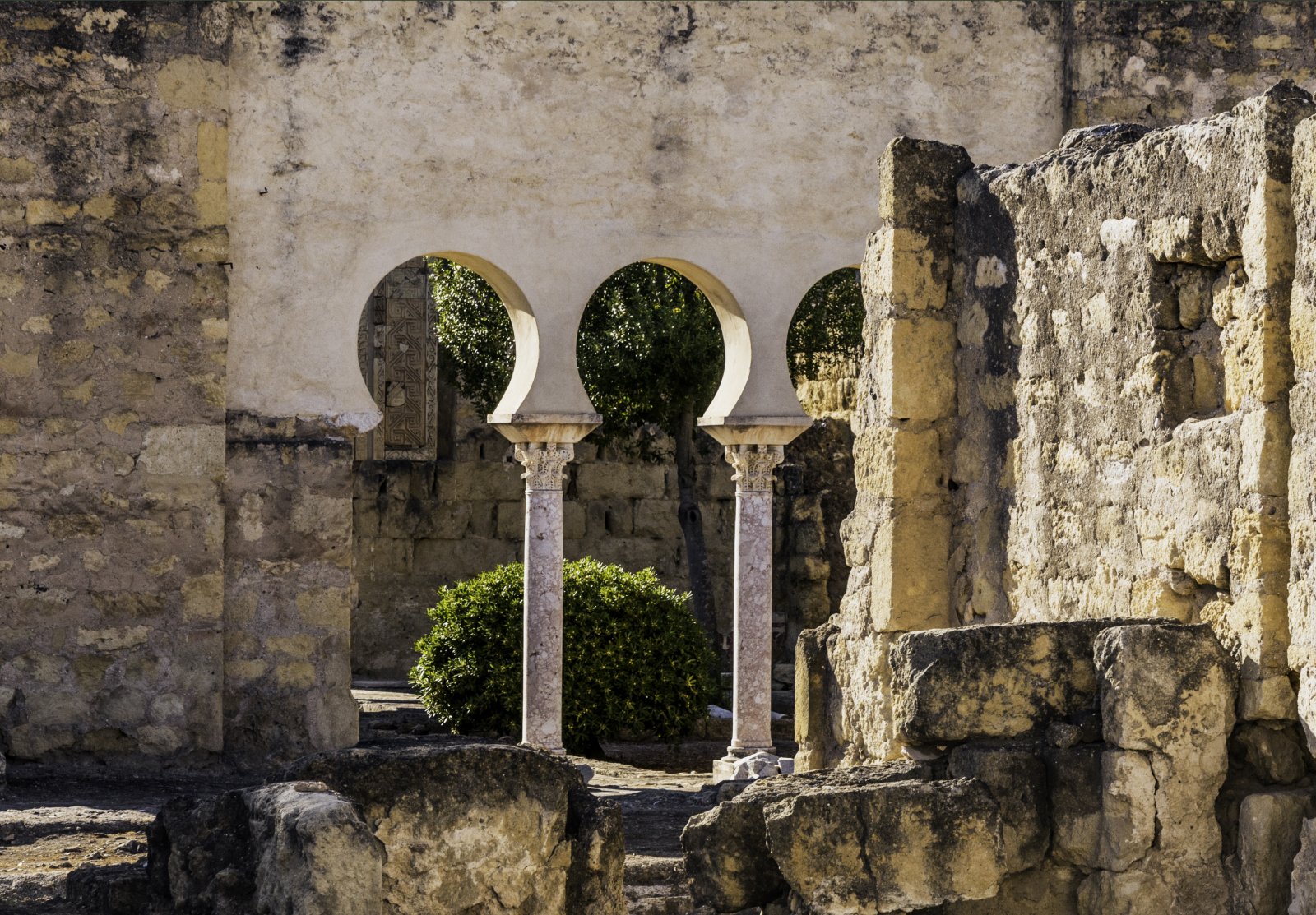

In the heart of Andalusia, nestled against the backdrop of the Sierra de Córdoba, lie the enchanting ruins of Medina Azahara. This remarkable archaeological site is a testament to the opulence and sophistication of the Umayyad Caliphate in the 10th century. As you wander through the remnants of this lost city, it's easy to be transported back to a time when it was a thriving center of culture and power.
### History and Origins
Founded in 936 AD by Abd al-Rahman III, the first caliph of the Umayyad dynasty in al-Andalus, Medina Azahara was envisioned as a grand royal city. It served not only as a seat of power but also as a symbol of Islamic artistry and architecture. The city was strategically located, using the natural landscape to create a stunning vista that merged human ingenuity with nature’s beauty.
However, the city’s glory was short-lived. In 1010, during a period of civil strife known as the Fitna, Medina Azahara was abandoned, leading to its gradual decline and eventual obscurity. For nearly nine centuries, it lay hidden beneath the earth, until rediscovery in the early 20th century brought this captivating site back into the light.
### Art and Architecture
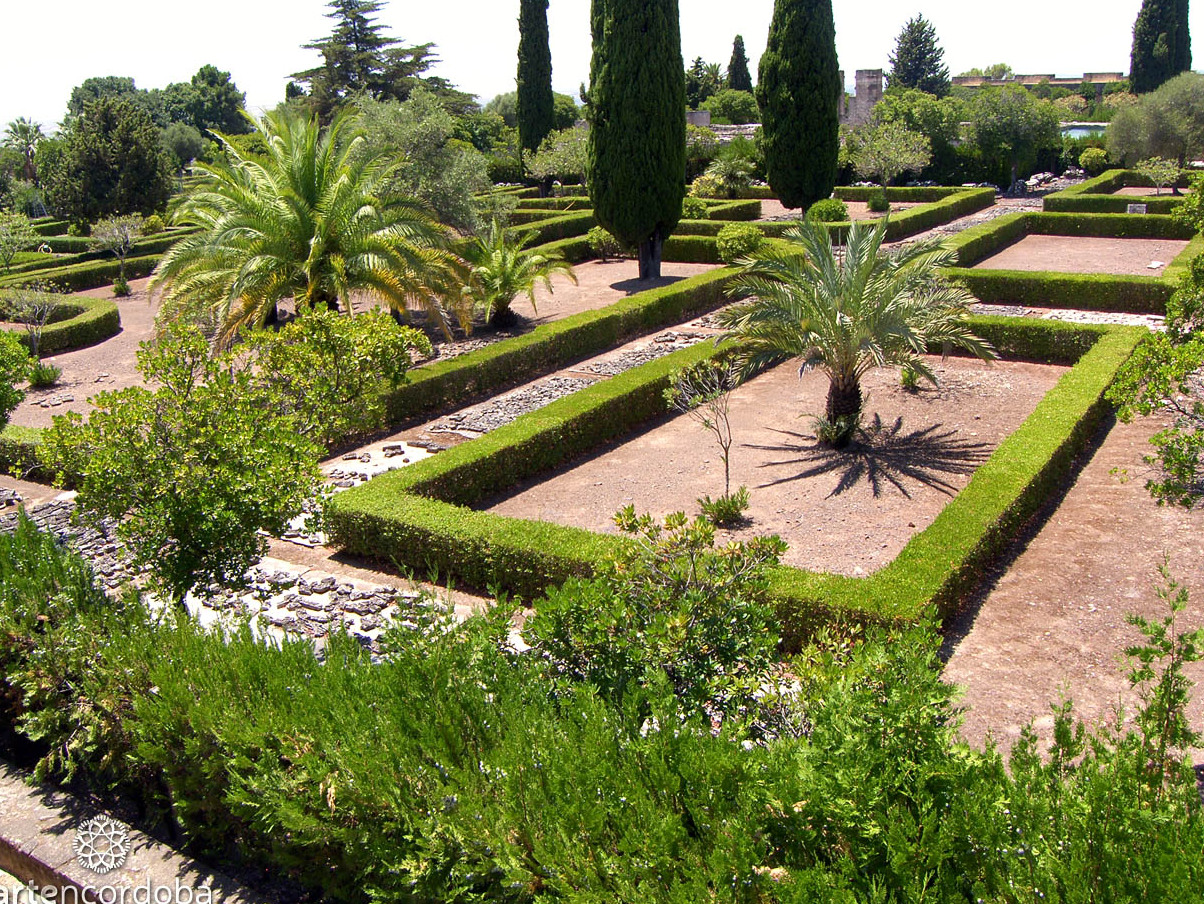
The architecture of Medina Azahara is a splendid representation of Islamic design, characterized by intricate decorative elements, expansive courtyards, and the use of water as a central theme. The layout reflects the ideals of a Paradise garden, as described in the Qur’an, with its symmetrical design and flowing waterways creating a sense of tranquility.
Key highlights include the grand Palace of the Caliph, featuring vast halls adorned with decorative stucco work and magnificent arches. The Great Mosque, though now in ruins, once served as a spiritual hub, showcasing a blend of Hispano-Muslim and Roman architectural styles. The gardens are particularly notable, displaying the earliest known examples of a structured Paradise garden, with rectangular plots, irrigation channels, and lush plant beds meticulously arranged to reflect harmony and beauty.
### Local Culture and Traditions
Though much of Medina Azahara is now a historical relic, its influence persists in the contemporary culture of Córdoba. The city’s rich heritage is celebrated through various festivals, such as the Festival of the Patios, where locals showcase their stunning floral displays in traditional courtyards. This event, typically held in May, draws visitors from around the world and highlights the enduring love for beauty and community.
Moreover, the traditions of Andalusian music and dance, particularly flamenco, resonate deeply within the local culture, echoing the vibrant spirit of the city’s past. The blending of cultures during the Caliphate era continues to shape the region’s artistic expressions.
### Gastronomy
The gastronomy of Córdoba reflects a melting pot of flavors, rooted in the region's agricultural bounty and historical influences. Dishes like salmorejo, a creamy tomato soup, and flamenquín, a fried meat roll, offer a taste of local tradition. The use of olive oil, a staple in Andalusian cuisine, can be traced back to the agricultural practices established during the time of Medina Azahara.
Visitors can also indulge in local wines, particularly those from the nearby Montilla-Moriles region, which produce rich, full-bodied varieties that pair beautifully with traditional dishes. Sampling these culinary delights is an essential part of experiencing the cultural fabric of the area.
### Lesser-Known Curiosities
Despite its fame, Medina Azahara holds many secrets that often go unnoticed. For instance, the use of Roman aqueducts to channel water into the city not only highlights the engineering prowess of the period but also its resourcefulness in repurposing ancient structures. Additionally, the remains of the city contain inscriptions and artifacts that provide insights into the daily lives of its inhabitants, from their social structures to their artistic pursuits.
Another intriguing aspect is the connection to al-Andalus’ intellectual legacy. The city was a hub for scholars and poets, fostering an environment of learning and creativity that influenced the broader Mediterranean world.
### Practical Visitor Information
For those looking to explore Medina Azahara, the best time to visit is during the spring or autumn months when the weather is mild and the gardens are in full bloom. The site is open to visitors year-round, but guided tours are highly recommended to fully appreciate the historical context and architectural significance of the ruins.
Be sure to wear comfortable shoes, as the expansive grounds require some walking. Look for the Visitor Centre, where you can find informative exhibits that delve deeper into the city’s history. Don’t miss the breathtaking views from the higher points of the site, which offer a picturesque panorama of the surrounding landscape.
In planning your visit to Córdoba, consider downloading the Secret World app to craft a personalized AI itinerary that highlights the wonders of this extraordinary city.