



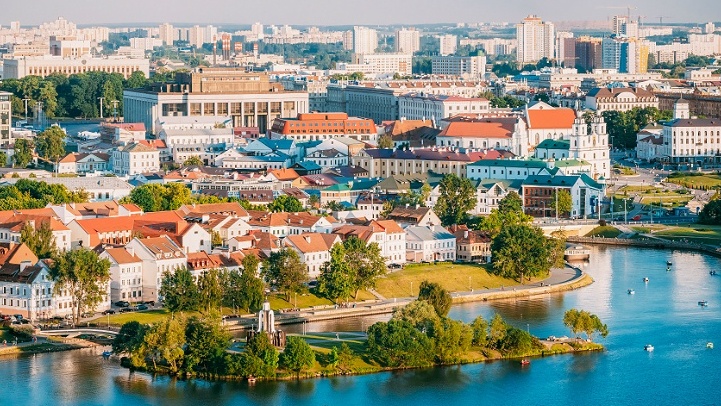
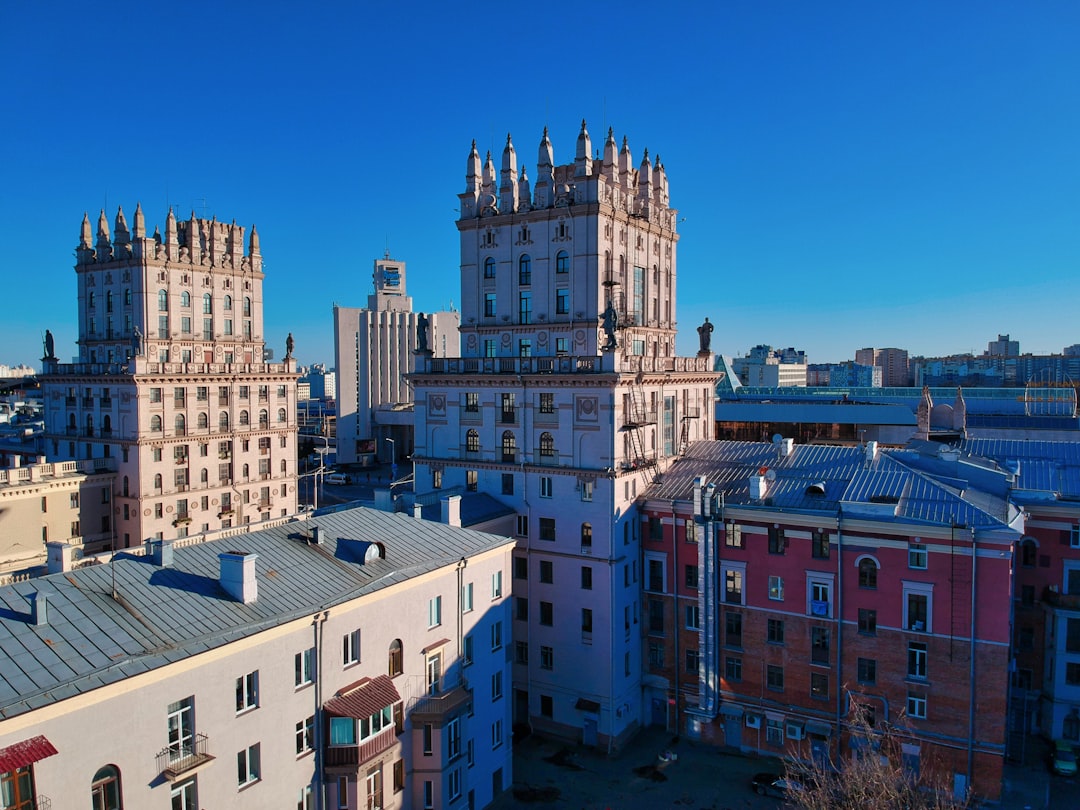
Minsk, the capital of Belarus, is a city of contrasts, where the monumental architecture of the Stalinist era stands proudly alongside modern developments. This vibrant capital, founded in 1067, has a rich tapestry of history, art, and culture that beckons visitors to explore its depths.
History and Origins
The name Minsk is believed to derive from the Belarusian word "miena," which translates to “barter,” reflecting the city’s longstanding role as a trading hub. Its strategic location along ancient trade routes contributed to its early development. Over the centuries, Minsk has witnessed a series of transformations, from its initial settlement to its conquests by various powers, including the Grand Duchy of Lithuania and the Polish-Lithuanian Commonwealth.
In 1655, Tsar Alexis of Russia captured Minsk, marking the beginning of a long association with the Russian Empire that would last until the late 20th century. The city played a significant role during the Great Patriotic War (1941-1945), becoming a base for partisan activities against Nazi forces. In 1974, it was declared a hero city for its resilience during wartime. Since 1991, Minsk has served as the capital of an independent Belarus, navigating the complexities of post-Soviet identity and governance.
Art and Architecture
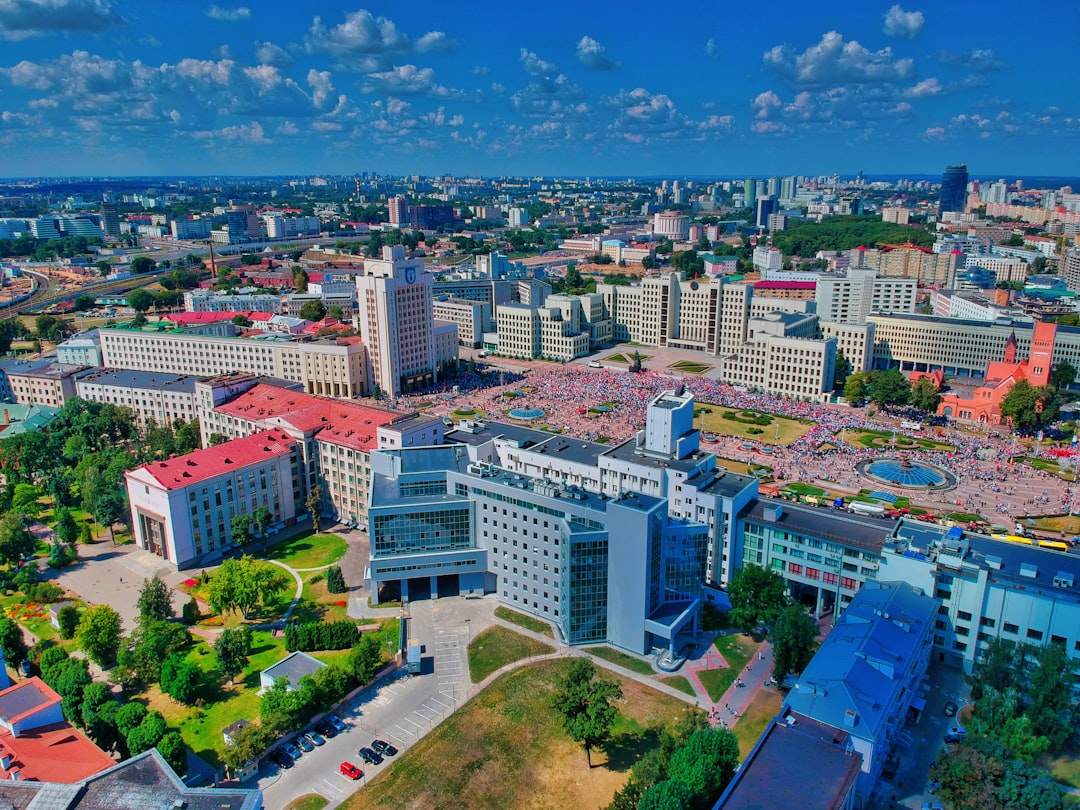
Minsk's architectural landscape is dominated by grand edifices that echo the Stalinist style, characterized by their imposing scale and intricate details. The Independence Square (Ploshcha Nyezalyezhnasti) is the heart of the city, flanked by the KGB headquarters and the stunning Red Church (Church of Saints Simon and Helena). This neo-Romanesque structure, with its vibrant red brick façade, stands as a symbol of the city’s religious heritage.
Further along Independence Street (Praspyekt Nyezalyezhnastsi), visitors can admire the Palace of the Republic, a cultural venue that hosts concerts and performances. The blend of Soviet-era architecture with modern buildings creates a unique skyline that reflects Minsk's evolution. The city's museums, such as the National Art Museum, house impressive collections of Belarusian and international art, showcasing the nation’s artistic journey from ancient times to contemporary works.
Local Culture and Traditions
Minsk is steeped in rich traditions and vibrant cultural expressions. The city comes alive during various festivals, such as Kupalle, a summer celebration of the summer solstice with roots in ancient pagan customs. This event features bonfires, traditional songs, and dances, offering a glimpse into Belarusian folklore.
Another significant event is the Minsk International Film Festival, which highlights local and international cinema, fostering a sense of community among filmmakers and audiences alike. Belarusians take pride in their cultural heritage, with traditional crafts such as embroidery and pottery being celebrated and preserved in local markets and workshops.
Gastronomy
The culinary scene in Minsk is a delightful exploration of traditional Belarusian flavors. Draniki, or potato pancakes, are a must-try dish that epitomizes local comfort food. Often served with sour cream or mushroom sauce, these crispy delights are a staple in many households.
Another beloved dish is kalduny, dumplings stuffed with meat or mushrooms, reflecting the region's Slavic roots. Visitors can also savor kvass, a fermented beverage made from rye bread, often enjoyed in the summer to quench thirst. Pairing these dishes with a glass of Belarusian vodka completes the culinary experience, inviting travelers to savor the local taste.
Lesser-known Curiosities
While many tourists flock to the iconic landmarks, some lesser-known facts about Minsk add depth to the visitor experience. One such curiosity is the city’s underground tunnels, remnants of the Cold War era, which were designed for protection during conflicts. These tunnels, though not widely advertised, are a testament to the city’s history of resilience.
Another intriguing aspect is the Minsk Sea, a massive artificial reservoir located on the outskirts of the city. It's a popular spot for locals to escape the urban hustle, offering a serene retreat for swimming, sailing, and picnicking.
Practical Visitor Information
The best time to visit Minsk is during the spring (April to June) and early autumn (September to October) when the weather is mild and flowers bloom in abundance. Winter, while cold, transforms the city into a picturesque winter wonderland, making it a charming time for visitors who enjoy snowy landscapes.
When exploring the city, consider using public transportation, including trams and buses, which are efficient and economical. Don't miss the chance to stroll along Independence Street, where you can soak in the architectural grandeur and stop by local cafes to experience the vibrant atmosphere.
For a personalized exploration of Minsk's rich history, culture, and hidden gems, consider using the Secret World app to plan your itinerary.
