
🎄 Win a month in Italy for two — €10,000 · The Secret Italy Prize GO →
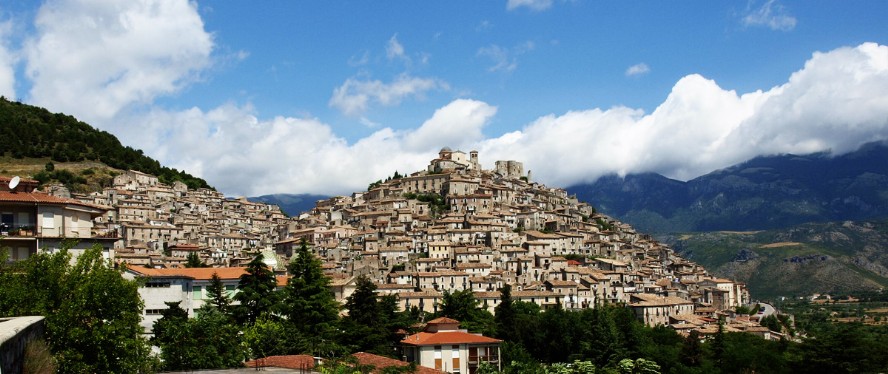
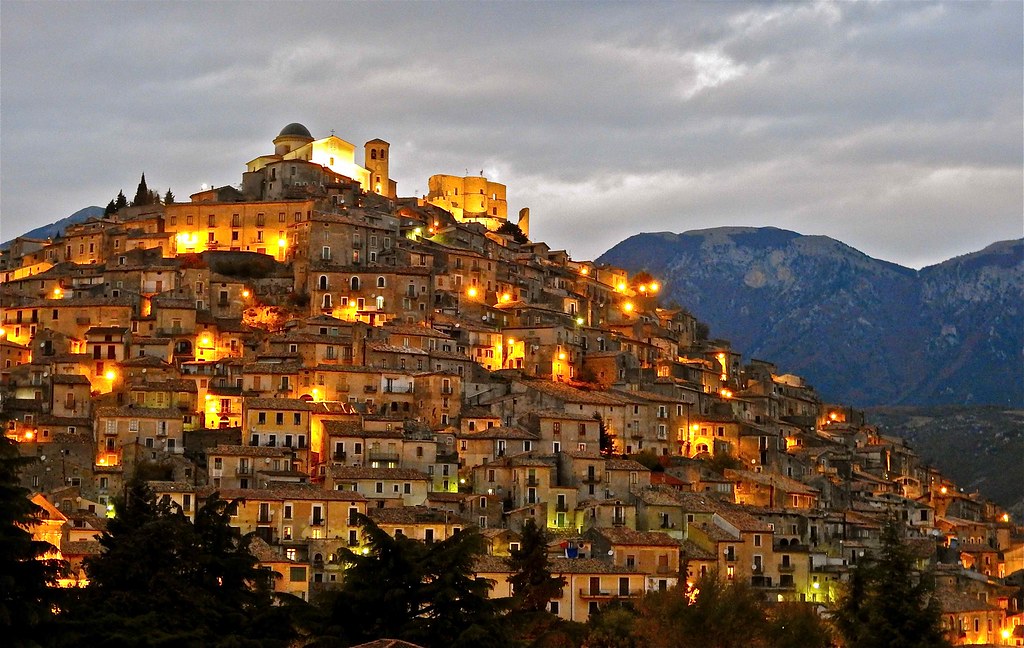
Morano Calabro the Pollino nativity scene — Morano Calabro
← Back
Villages 📍 Morano Calabro, Italy 431 views

Morano Calabro the Pollino nativity scene

In all probability, but without historical certainty, the area of Morano Calabro was inhabited as early as Greek times, since it was along one of the main routes connecting the powerful city of Sybaris with the Tyrrhenian colonies. But the place names Muranum and Summuranum, from...

Photo · Anushka K.

Morano Calabro the Pollino nativity scene — Morano Calabro, Italy.

Location
Morano Calabro
Type
Villages
Opening hours
Weather now
21°C
↗ Directions

About Morano Calabro the Pollino nativity scene

Morano Calabro the Pollino nativity scene - Morano Calabro | Secret World Trip Planner

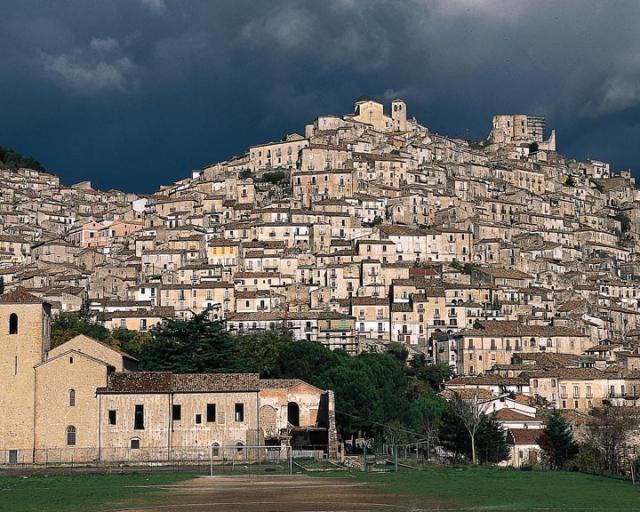
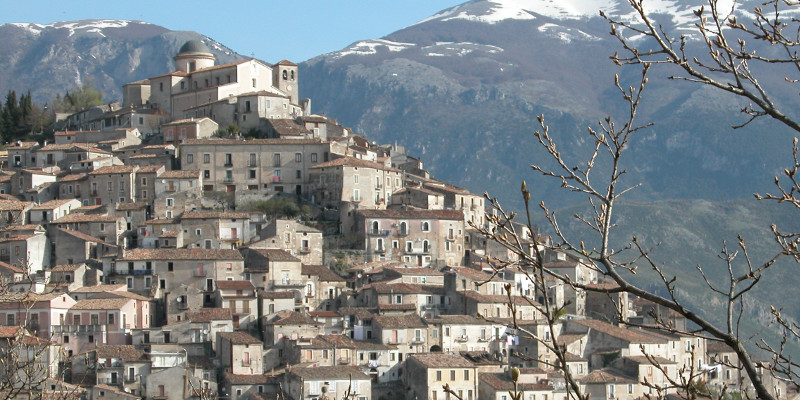
In all probability, but without historical certainty, the area of Morano Calabro was inhabited as early as Greek times, since it was along one of the main routes connecting the powerful city of Sybaris with the Tyrrhenian colonies. But the place names Muranum and Summuranum, from which the present name of the town derives, are from Roman times. Muranum is the oldest, appearing in an ancient milestone from the second century B.C. found at Polla in the Vallo di Diano. In the "Lapis Pollae," Muranum appears as a 'station' on the Regio-Capuam, an ancient Roman consular road, commonly known as Popilia-Annia, which was the only Roman road to Calabria at the time. Summuranum, on the other hand, appears in Antoninus's Itinerary of the 2nd century AD and in the Tabula Peutingeriana of the 3rd century AD, which presumably designated another 'statio' on the same Regio-Capuam, a road route, alternative to this one, that ran downstream, close to the town of Morano and Castrovillari, near the contrada Fauciglia. The remains of ancient fortress date back to Roman times, on which in Norman times the original nucleus of the present village arose at the top of the hill. Morano was a feud in the medieval age of Apollonio Morano, the Fasanella family and Antonello Fuscaldo; in the Aragonese age it passed to the Sanseverino family of Bisignano, in 1614 to the Spinelli family of Scalea, who held it until the eversion of feudality in 1806. The appellation of Calabro, was added in 1863, to distinguish it from Morano sul Po. In the Borgo there are important architectural treasures to visit. First and foremost: the Church and Monastery of St. Bernardino of Siena,the Church of St. Nicholas of Bari,Convent of the Capuchin Fathers,the Collegiate Church of St. Mary Magdalene, the Archpriest's Church of Saints Peter and Paul , the Church of the Carmine and finally the Monastery of Colloreto.
Morano Calabro the Pollino nativity scene - Morano Calabro | Secret World Trip Planner
✦ Secret World · suggested day

A perfect day in Morano Calabro

Start with Morano Calabro the Pollino nativity scene, then continue with nearby places selected by Secret World.

  1. 01
    Morning
    Morano Calabro the Pollino nativity scene
    📍 Morano Calabro
    Start here
  2. 02
    Afternoon
    📍 0.4 km away
  3. 03
    Evening
    📍 7.1 km away

Collect this place

Turn places you discover into stamps in your Secret Passport.

Open Secret Passport →

Keep exploring · Morano Calabro

Frequently Asked Questions

Morano Calabro has ancient Roman roots, appearing as 'Muranum' on a second-century B.C. milestone as a station on the Popilia-Annia consular road connecting Rome to Calabria. The town likely existed even earlier during Greek times as it lay along a major trade route between Sybaris and Tyrrhenian colonies, with its present name deriving from these Roman-era place names.
The appellation 'Calabro' was added to the town's name in 1863 specifically to distinguish Morano Calabro from another town called Morano sul Po located in northern Italy. This geographical distinction helped clarify which Morano visitors and traders were referring to.
The town boasts seven important religious architectural treasures including the Church and Monastery of St. Bernardino of Siena, the Collegiate Church of St. Mary Magdalene, the Church of Saints Peter and Paul, the Church of St. Nicholas of Bari, the Convent of the Capuchin Fathers, the Church of the Carmine, and the Monastery of Colloreto. These buildings showcase the rich spiritual and architectural heritage of Morano Calabro and are essential stops for visitors interested in religious history and medieval architecture.
Morano Calabro passed through several powerful hands: it was ruled by Apollonio Morano and the Fasanella family in medieval times, then by the Sanseverino family of Bisignano during the Aragonese period, and finally by the Spinelli family of Scalea from 1614 until feudality ended in 1806. The town's location on important Roman trade routes made it a strategically valuable possession for these noble families.
The original nucleus of the present-day village developed during Norman times atop the ruins of an ancient Roman fortress, creating the hilltop settlement that characterizes Morano Calabro today. This strategic positioning on elevated terrain continued the tradition of using the location's natural defenses that dated back to Roman times.

Experiences nearby · Morano Calabro

Powered by Viator

See more on Viator.com

Secret World Hidden places, real stories — plan your trip
Get the app