
← Back

Mother Church of Saints Peter and Paul

Via Nicola Franchi, 75015 Pisticci MT, Italia ★★★★☆ 177 views
Fanny Taylor
Via Nicola Franchi
🏆 AI Trip Planner 2026

Get the free app

Discover the best of Via Nicola Franchi with Secret World — the AI trip planner with 1M+ destinations. Get personalized itineraries, hidden gems and local tips. Free on iOS & Android.

🧠 AI Itineraries 🎒 Trip Toolkit 🎮 KnowWhere Game 🎧 Audio Guides 📹 Videos
Download on the App Store Get it on Google Play
Scan to download Scan to download

About Mother Church of Saints Peter and Paul

Mother Church of Saints Peter and Paul - Via Nicola Franchi | Secret World Trip Planner

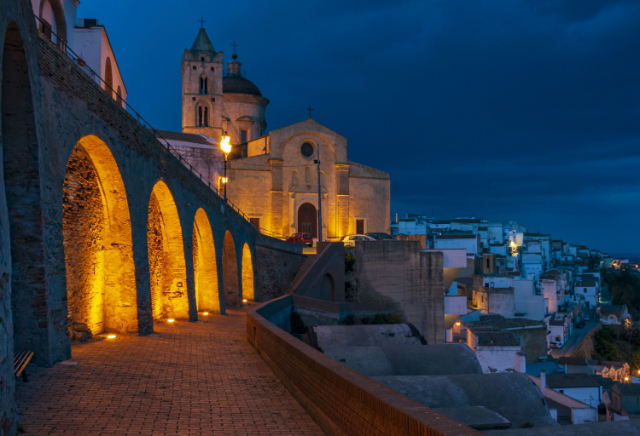
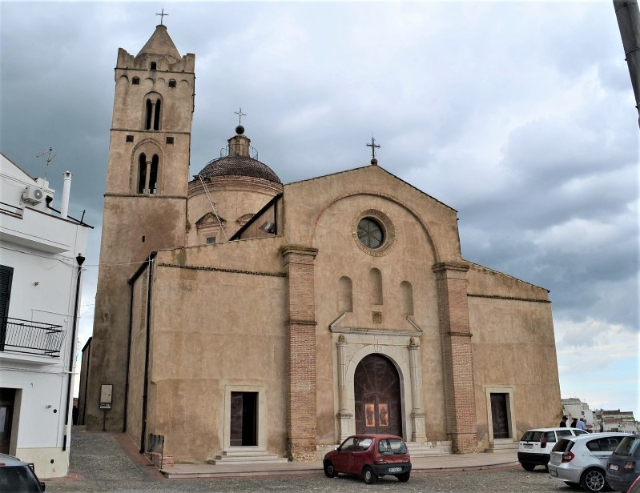
The temple of the Mother Church, dedicated to Saints Peter and Paul, è an important religious building located in Pisticci, Basilicata. Its construction è occurred on the site of an earlier religious building dating back to the 13th century, of which only the bell tower remains. The temple was built by master masons Antonio and Pietro La Viola, originally from Lombardy, between 1540 and 1550. These master masons took refuge in Pisticci to escape an arrest warrant, accused of murder.
Mother Church of Saints Peter and Paul - Via Nicola Franchi | Secret World Trip Planner

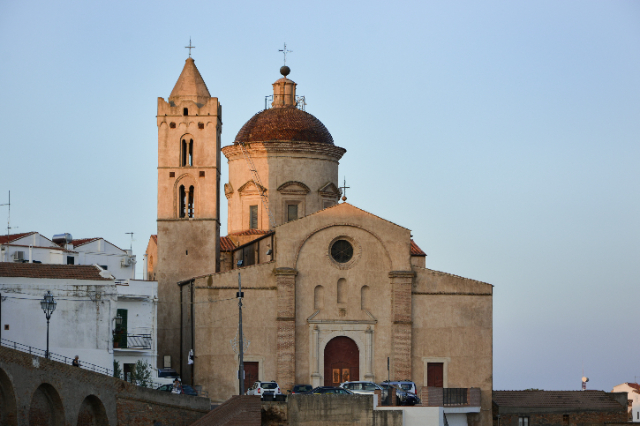
The Mother Church building has a grand appearance, with a Romanesque-style facade and a double-pitched roof. The interior of the church has a Latin cross plan and presents a division into three naves with side chapels and altars in Baroque style. Beneath the altars are a series of hypogea, which from the second half of the 16th century were used as burial places for the clergy and faithful.

Over the centuries, the temple of the Mother Church è has undergone various renovations and beautification. Inside the church are valuable paintings dating from the 17th and 18th centuries, belonging to the Neapolitan school.
Mother Church of Saints Peter and Paul - Via Nicola Franchi | Secret World Trip Planner

Among them are some Caravaggio-style canvases attributed to Domenico Guarino, from the 18th century, including those representing the “Madonna del Carmine” and the “Madonna del Pozzo” and others depicting the “Mysteries of the Rosary”.

This description confirms the historical and artistic importance of the Mother Church in Pisticci, and highlights its architectural evolution over the centuries.

🗺 AI Trip Planner

Plan your visit to Via Nicola Franchi

Suggested itinerary near Mother Church of Saints Peter and Paul

MAJ+
500.000+ travelers worldwide
  1. 🌅
    Morning
    Mother Church of Saints Peter and Paul
    📍 Via Nicola Franchi
  2. ☀️
    Afternoon
    The gullies: A scenery of rare beauty
    📍 10.9 km · Via Nicola Franchi
  3. 🌆
    Evening
    Castle of Bernalda
    📍 12 km · Via Nicola Franchi

Buy Unique Travel Experiences

Powered by Viator

See more on Viator.com

Explore nearby · Via Nicola Franchi

Frequently Asked Questions

The Mother Church was constructed by master masons Antonio and Pietro La Viola, originally from Lombardy, between 1540 and 1550. Interestingly, these skilled craftsmen had fled to Pisticci to escape an arrest warrant for murder, and they left their architectural mark on this important religious building that still stands today.
The interior houses valuable paintings from the 17th and 18th centuries from the Neapolitan school, including Caravaggio-style canvases attributed to Domenico Guarino. Notable works include depictions of the 'Madonna del Carmine,' 'Madonna del Pozzo,' and the 'Mysteries of the Rosary,' making it a must-visit for art enthusiasts.
The church features a striking Romanesque-style facade with a double-pitched roof and a Latin cross floor plan inside. The interior is divided into three naves with side chapels and altars decorated in Baroque style, creating a harmonious blend of architectural periods.
The hypogea are underground chambers located beneath the altars that have served as burial places for clergy and the faithful since the second half of the 16th century. These subterranean structures are an important historical feature of the church and reflect burial practices of the period.
Yes, the bell tower is the only remaining structure from the earlier 13th-century religious building that previously occupied the site. The current Mother Church was built on this same location between 1540 and 1550, preserving this architectural connection to the past.
