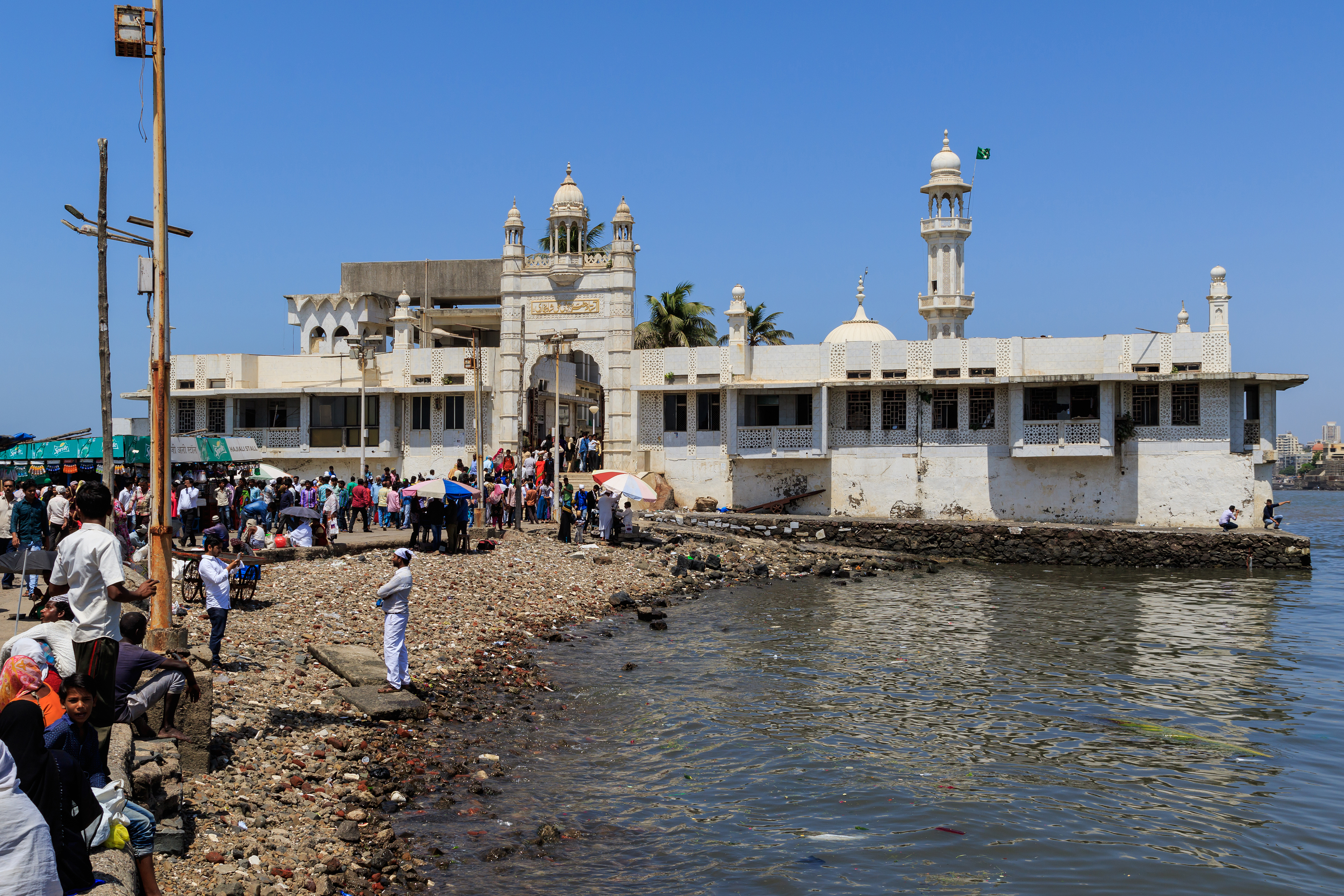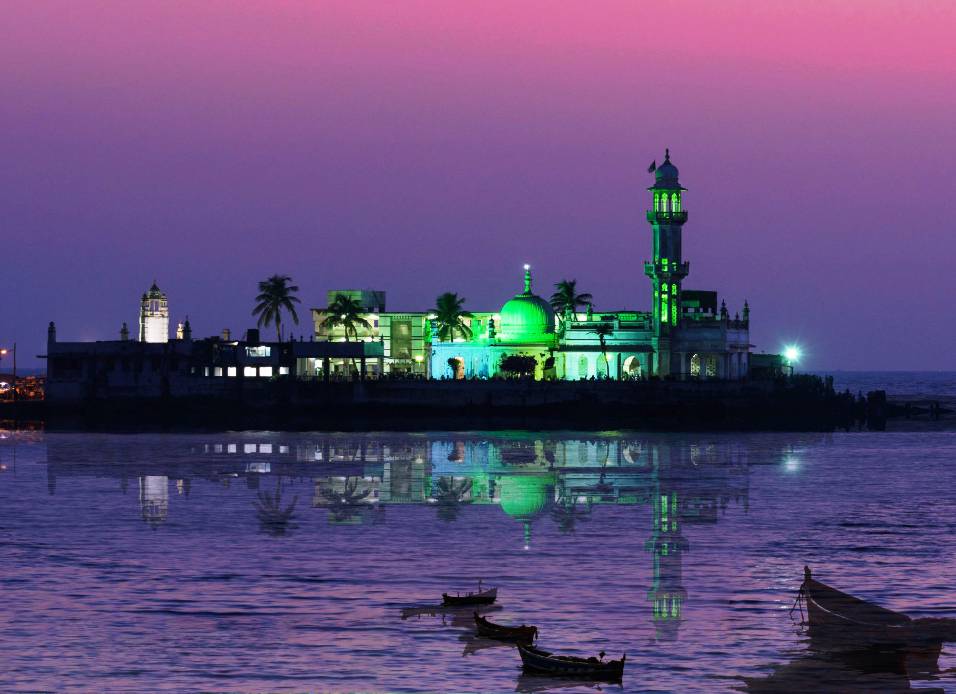

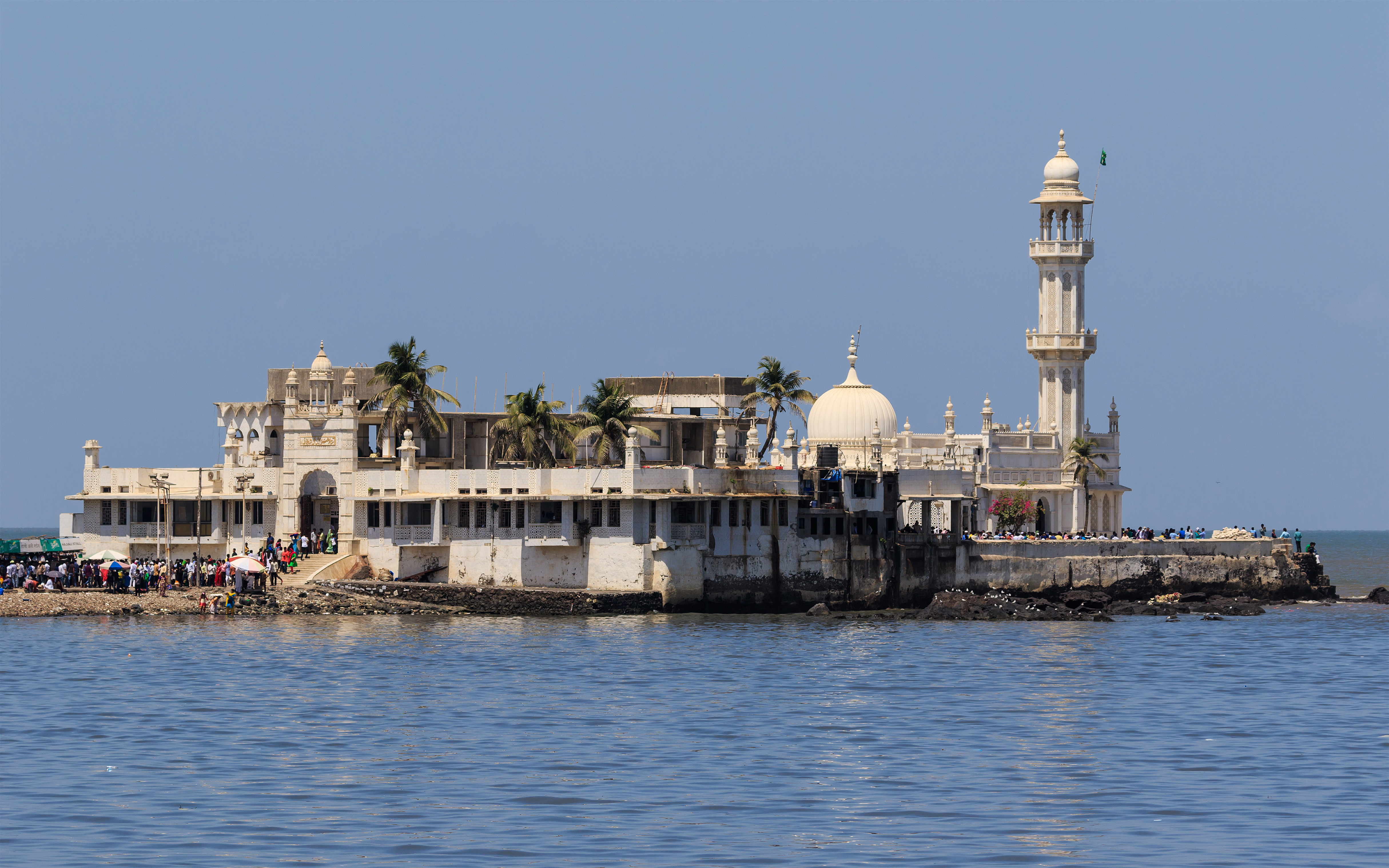
Haji Ali Dargah stands majestically amid the shimmering waters of the Arabian Sea, an iconic symbol of Mumbai’s rich tapestry of faith and culture. This mosque, revered by millions, is not just a religious site; it is a testament to the city’s historical significance and architectural brilliance.
### History and Origins
The origins of Haji Ali Dargah date back to 1431 when it was built in honor of Pir Haji Ali Shah Bukhari, a wealthy Muslim merchant from Uzbekistan who renounced his riches to devote his life to spirituality. According to local lore, he drowned in the Arabian Sea while on a pilgrimage to Mecca, and his tomb was later constructed on the spot where he was believed to have emerged. Over the centuries, this site has transformed into a pilgrimage destination, attracting both devotees and tourists alike.
The dargah witnessed several key historical events, especially during the colonial era. It served as a refuge for many during the Partition of India in 1947, embodying the city’s spirit of tolerance and unity amidst diversity. Today, it stands as a beacon of hope and faith for people from various backgrounds, as it welcomes visitors regardless of their religion or belief.
### Art and Architecture
The architectural style of Haji Ali Dargah is a stunning example of Indo-Islamic design, characterized by its elegant whitewashed façade and intricate detailing. The approach to the dargah is via a narrow causeway that stretches 457.2 meters into the sea, creating a dramatic entrance that is especially enchanting during high tide when it appears as if the dargah is floating on water.
The complex spans 4,500 square meters and features a beautifully adorned tomb, surrounded by delicate marble screens (jalis) that allow sunlight to filter through, casting intricate patterns on the floor. The main dome, topped with a crescent moon, is an architectural marvel, showcasing exquisite inlay work and calligraphy that reflect the spiritual significance of the site. The combination of Mughal and Gothic architectural elements adds to its uniqueness, making it a haven for architecture enthusiasts.
### Local Culture and Traditions
Haji Ali Dargah is not only a religious site but also a cultural hub where various traditions converge. It is particularly vibrant during the urs, the annual death anniversary of Pir Haji Ali Shah Bukhari, which draws crowds for days of prayers, music, and communal feasting. Visitors often witness Qawwali performances, a form of Sufi devotional music that adds to the spiritual ambiance of the dargah.
Local customs include offering chadar (a ceremonial cloth) at the tomb, symbolizing respect and devotion. Many visitors also tie threads around the tomb, seeking blessings and fulfillment of wishes. The Dargah’s inclusive nature fosters a spirit of harmony, making it a melting pot of diverse faiths and backgrounds.
### Gastronomy
The area surrounding Haji Ali Dargah is a gastronomic delight. A visit is incomplete without indulging in local specialties like pav bhaji and bhel puri from nearby street vendors. However, one of the most famous treats closely associated with the dargah is Haji Ali juice, a refreshing concoction made from fresh fruits and spices that has gained a loyal following among visitors.
Moreover, the dargah is home to various food stalls serving biryanis and kebabs, reflecting Mumbai’s diverse culinary heritage. These local delicacies are not only delicious but also offer a glimpse into the city’s rich history of trade and cultural exchange.
### Lesser-known Curiosities
While many visitors admire the dargah’s beauty, few realize that it is built on a small island and is only accessible during low tide, adding an element of drama to the visit. Another intriguing fact is that the dargah houses a small museum showcasing artifacts related to the saint and the history of the mosque, often overlooked by tourists.
Additionally, the dargah has a unique feature: the water from the surrounding sea is believed to possess healing properties, and many visitors collect it as a form of blessings. This belief adds a layer of spirituality that resonates deeply with both locals and pilgrims.
### Practical Visitor Information
The best time to visit Haji Ali Dargah is during the early morning or late afternoon to avoid the heat and enjoy a peaceful atmosphere. Dress modestly as a sign of respect, and be prepared for a slight wait, especially during weekends or festivals. Look for the intricate details in the architecture and take time to soak in the tranquil ambiance.
As you wander through this iconic site, don’t forget to take in the panoramic views of the Mumbai skyline and the Arabian Sea. Capture the sunset if you can; it casts a magical glow over the dargah, making for unforgettable photographs.
In conclusion, Haji Ali Dargah is more than just a mosque; it is a vibrant interplay of history, spirituality, and culture, offering visitors a unique glimpse into Mumbai’s soul. To truly explore the wonders of this city, consider using the Secret World app to tailor a personalized itinerary for your visit.