
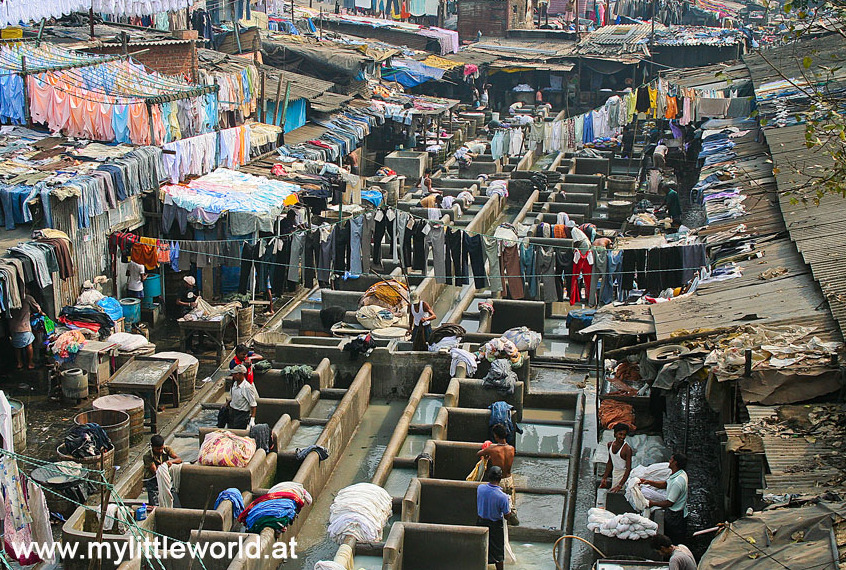

In the heart of bustling Mumbai, where the city's relentless energy pulses with life, there lies a vibrant tapestry of history and culture at the Mahalaxmi Dhobi Ghat. This iconic open-air laundromat, nestled near the Mahalaxmi railway station, offers a fascinating glimpse into a world where time-honored traditions blend seamlessly with the urban sprawl of modern India.
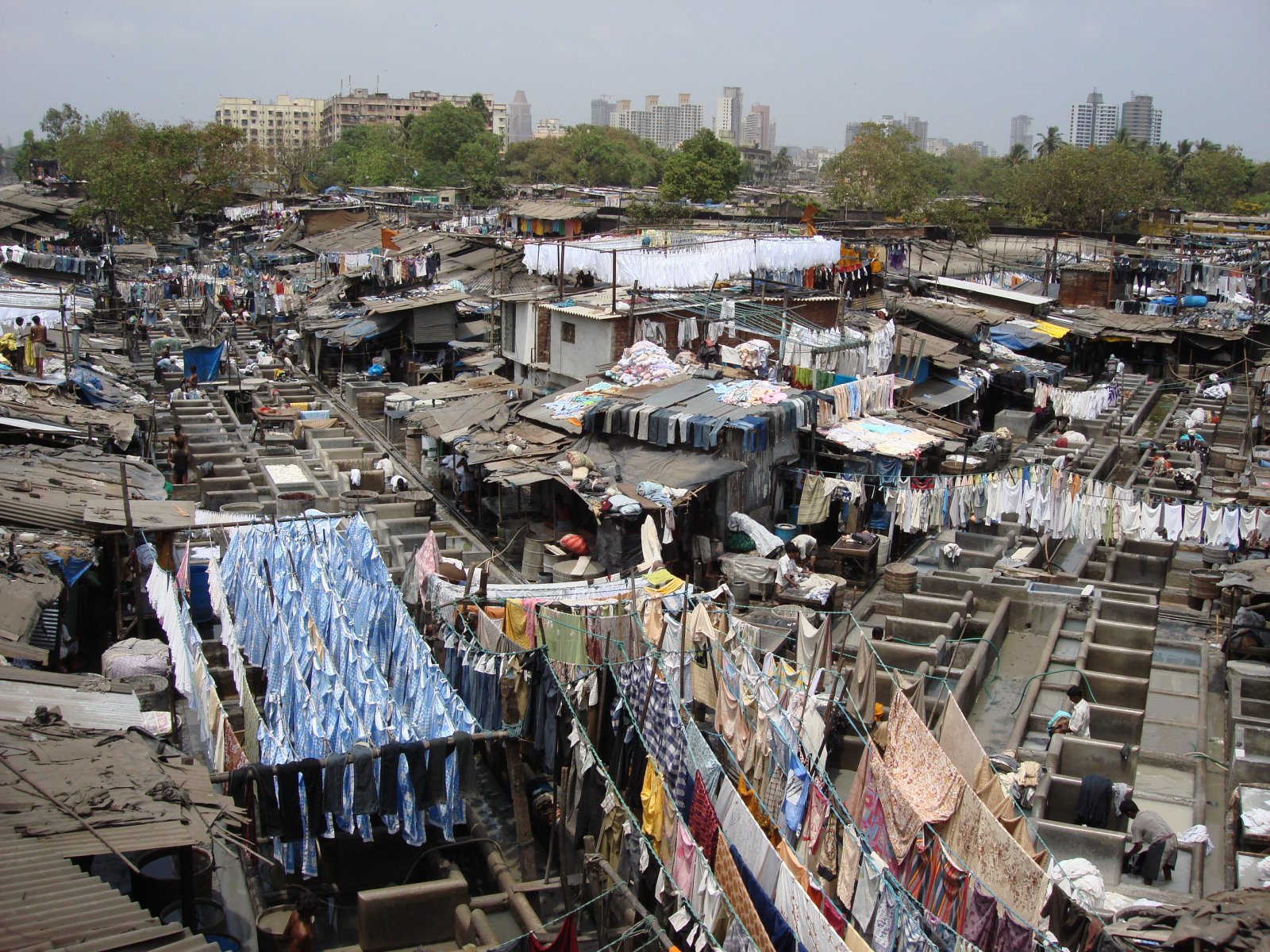
The origins of Mahalaxmi Dhobi Ghat trace back to 1890, a time when Mumbai—then Bombay—was expanding rapidly under British colonial rule. The ghat was established to serve the city's growing English and Parsi populations, who required large-scale laundry services. Named after the nearby Mahalaxmi Temple, the ghat has since become a symbol of Mumbai's industrious spirit and resilience. Over the decades, it has evolved into the world's largest washerman colony, a place where families have passed down the art of washing clothes for generations.
While the architecture of Dhobi Ghat may not boast the intricate carvings of a historic monument, it stands as a testament to functional design. The vast expanse of wash pens and drying areas is organized into a complex, yet efficient, system. Each section is crafted from concrete and stones, with long rows of wash pens equipped with flogging stones, where clothes are beaten and scrubbed. The sight of hundreds of colorful saris and garments fluttering in the breeze against the backdrop of Mumbai's skyline is a visual spectacle that captivates photographers and visitors alike.
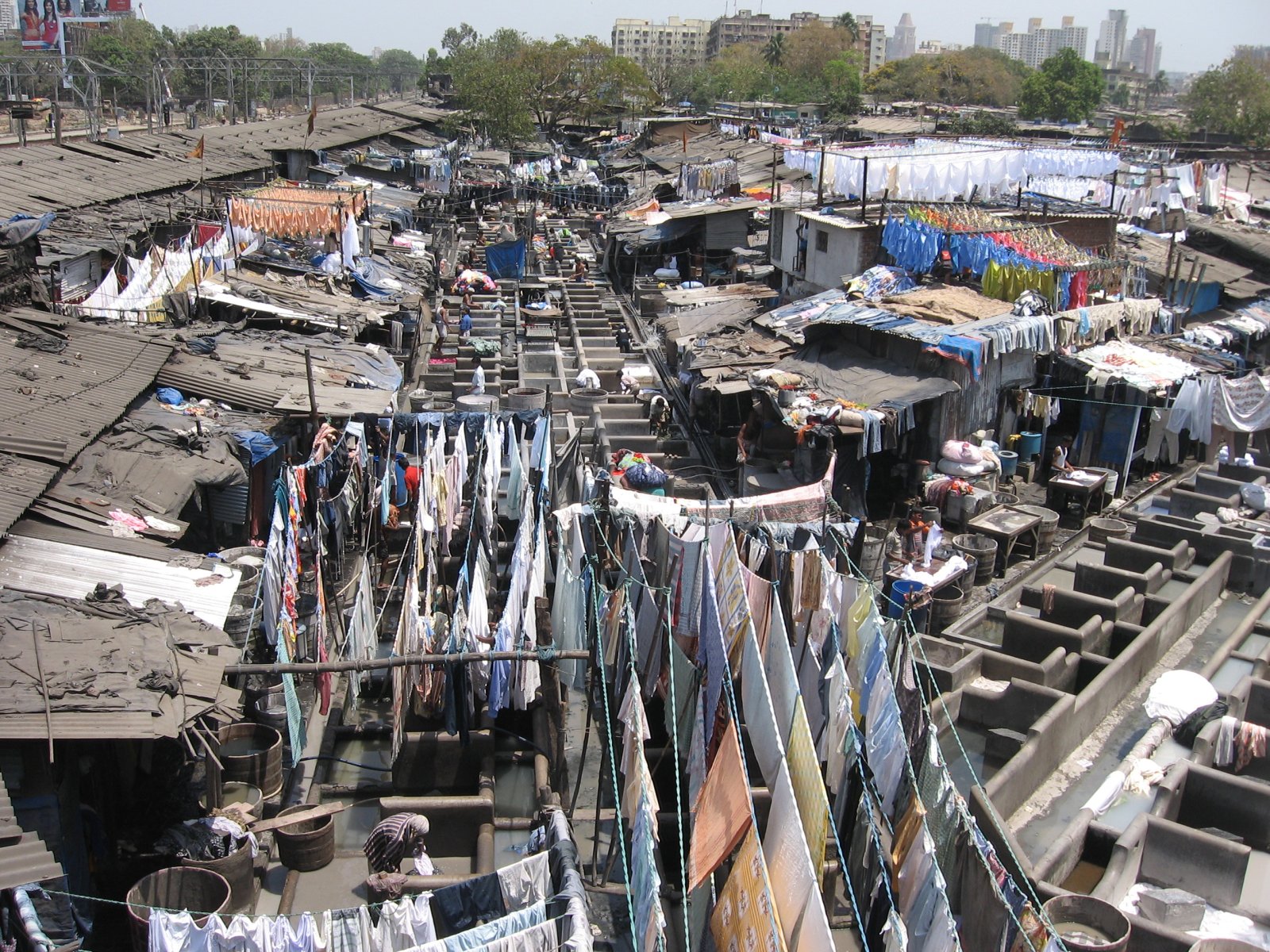
Beyond its practical purpose, Mahalaxmi Dhobi Ghat holds a deep cultural significance for Mumbai's local communities. The dhobis, or washermen, are integral to the city's ecosystem, providing a service that is both essential and steeped in tradition. The ghat is not just a place of work but a social hub where families gather, children play, and stories are exchanged. Festivals like Diwali and Holi infuse the ghat with additional vibrancy, as the dhobis celebrate with traditional music, dance, and food, showcasing the rich tapestry of Indian culture.
When it comes to gastronomy, the area around Mahalaxmi Dhobi Ghat offers an array of local delicacies that reflect Mumbai's diverse culinary landscape. Street vendors serve up piping hot vada pav, often referred to as Mumbai's answer to the burger, and spicy pav bhaji, a delicious vegetable curry served with buttered bread. For a refreshing drink, try a glass of sugarcane juice or cool off with a serving of tangy chaas, a type of buttermilk that provides respite from the city's heat.
Visitors to Mahalaxmi Dhobi Ghat often overlook its lesser-known curiosities. One such hidden gem is the intricate system of underground channels that supply water to the wash pens—a feat of engineering that has sustained the ghat for over a century. There's also the practice of "dhobi marks," a unique coding system used by the dhobis to identify and track clothes, ensuring nothing is misplaced among the thousands of items washed daily.
For those planning a visit, the best time to explore Mahalaxmi Dhobi Ghat is early in the morning when the day's work begins in earnest. Arriving around 8 AM allows you to witness the ghat in full swing, with dhobis energetically scrubbing, rinsing, and hanging clothes. It's advisable to hire a local guide who can provide insights into the ghat's operations and history. Remember to dress modestly, as the ghat is a place of work and community life. Photography is allowed, but always ask for permission before taking close-up shots of individuals.
Mahalaxmi Dhobi Ghat is more than just a laundry hub; it's a living museum of Mumbai's history and culture. A visit here offers a unique perspective on the city's industrious spirit, where tradition and modernity coexist in a kaleidoscope of colors and sounds. As you stand amid the rhythmic beats of clothes against stones and the chatter of the dhobis, you'll find yourself immersed in a slice of Mumbai that remains largely unchanged by time.


