
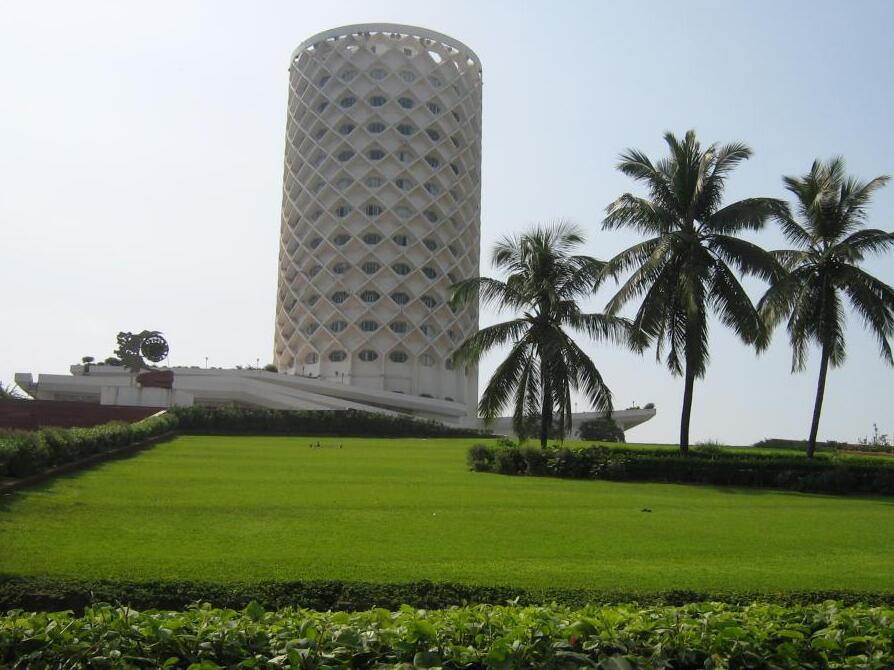

Nestled in the bustling neighborhood of Worli in Mumbai, the Nehru Science Centre beckons curious minds with its promise of discovery and innovation. As the largest interactive science center in India, it is a beacon of knowledge and exploration, inviting visitors to delve into the wonders of science and technology.
The origins of the Nehru Science Centre trace back to the late 1970s when the Indian government, inspired by the vision of India's first Prime Minister, Jawaharlal Nehru, sought to cultivate scientific temper among the masses. Inaugurated in 1985, the center was designed to align with Nehru's ideals of progressive education and scientific exploration. Over the years, it has evolved into a comprehensive hub of interactive exhibits and educational programs, pivotal in promoting science literacy in India.
Architecturally, the Nehru Science Centre is a marvel of modern design, spread over 8 acres. The architecture reflects a pragmatic style, with functional spaces that house a variety of exhibits. The building's clean lines and expansive interiors are punctuated by thematic galleries, each offering a unique glimpse into different scientific domains. One of the center's artistic highlights is the striking mural at the entrance, depicting the evolution of science from ancient to modern times, a testament to the endless pursuit of knowledge.
Mumbai's vibrant culture seeps into the atmosphere of the Nehru Science Centre. The city, known for its rich tapestry of traditions and festivals, influences the center's programming. Events like the annual Science Festival align with the local spirit of celebration, drawing crowds from across the city. During these times, the center becomes a microcosm of Mumbai's dynamic culture, where traditional music and dance performances often accompany scientific exhibits, creating a uniquely immersive experience.
While the center itself does not offer dining facilities, its location in Mumbai—a city renowned for its culinary diversity—ensures that visitors are never far from a gastronomic delight. Nearby, one can savor local delicacies like Pav Bhaji and Vada Pav, quintessential Mumbai street foods that offer a taste of the city's vibrant food culture. For those seeking a more international palate, the eclectic restaurants in Worli provide a wide array of options.
Among the lesser-known curiosities of the Nehru Science Centre is its remarkable Taramandal, a small planetarium that offers intimate star-gazing sessions. This hidden gem provides a serene escape from the city’s hustle, allowing visitors to explore the cosmos in a unique way. Additionally, the center is home to a vintage steam engine displayed on its grounds, a nod to India's rich industrial heritage that often goes overlooked by hurried tourists.
For those planning a visit, the best time to explore the Nehru Science Centre is during the cooler months from November to February, when Mumbai's weather is at its most pleasant. Weekdays are ideal for a more leisurely experience, as weekends can draw larger crowds. Visitors should allocate at least half a day to fully appreciate the extensive exhibits and participate in the many interactive sessions offered.
Key exhibits not to be missed include the Sound and Hearing Gallery, where the science of acoustics is brought to life, and the Light and Sight Gallery, which delves into the fascinating world of optics. The center also offers engaging workshops and demonstrations, particularly suited for younger audiences, making it an ideal educational outing for families.
In summary, the Nehru Science Centre is more than just a repository of scientific knowledge; it is a reflection of Mumbai’s spirit—innovative, diverse, and always forward-looking. Whether you are a science enthusiast, a curious traveler, or a local looking to rediscover your city, a visit to this iconic institution is sure to enlighten and inspire.


