
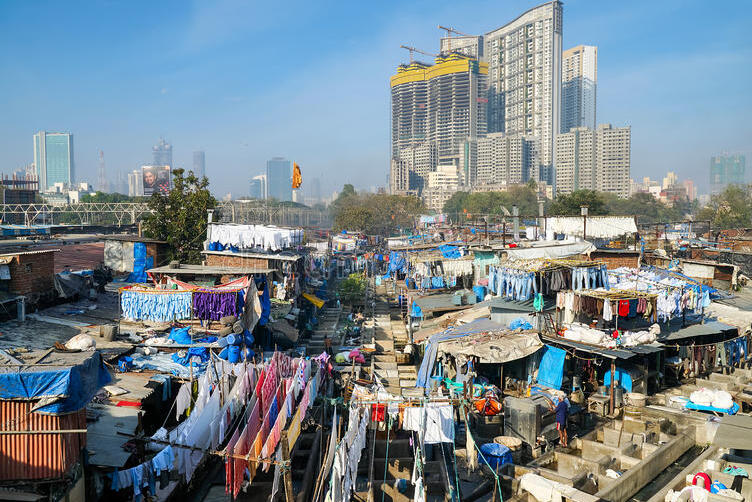

In the heart of Mumbai, the vibrant Dhobi Ghat stands as a testament to the city’s rich history and cultural tapestry. Established in 1890, this sprawling open-air laundromat has earned the title of the world’s largest outdoor laundry, a unique sight that draws both locals and foreign travelers alike. Nestled near the Mahalakshmi railway station, Dhobi Ghat is more than just a functional space; it’s a living, breathing reflection of a community that has thrived for generations.
History and Origins The origins of Dhobi Ghat can be traced back to the time of the British Raj, when it was established to cater to the needs of the burgeoning colonial population. The term 'dhobi' stems from the Hindi word for washerman, and this area became a bustling center for laundry activities. Over the years, it has expanded to accommodate thousands of dhobis who work tirelessly to wash the laundry of countless Mumbai residents, hotels, and businesses. The ghat has witnessed significant historical events, including the struggle for independence, with many of the washermen playing a role in the local narratives of resilience and community spirit.
Art and Architecture Architecturally, Dhobi Ghat is characterized by its open-air structure lined with concrete wash basins or ‘dhobi patis.’ The sight of bright whites and colorful garments flapping in the breeze creates a vibrant patchwork against the backdrop of towering Mumbai skyscrapers. The rhythmic sound of water splashing and clothes being beaten on stones adds to the artistic ambiance. The sheer scale of the operation is a piece of art in itself, showcasing the dedication and craftsmanship of the dhobis, many of whom have honed their skills over generations.
Local Culture and Traditions Life at Dhobi Ghat is steeped in tradition. The dhobis follow a stringent routine, starting their day at dawn when the first rays of sunlight illuminate the ghat. In addition to their laundry work, they celebrate various local festivals, such as Ganesh Chaturthi and Diwali, which bring the community together. These celebrations often feature traditional music, dance, and sumptuous meals, reflecting the rich cultural background of the washermen, who hail from various parts of India. The tight-knit community shares not just a profession but a way of life that emphasizes cooperation and mutual support.
Gastronomy While visiting Dhobi Ghat, you may find yourself tantalized by the delicious aromas wafting from nearby street stalls. Local delicacies such as vada pav (a spicy potato fritter sandwich), pav bhaji (a mixed vegetable curry served with bread), and freshly made jalebi (sweet spirals) are popular among the workers and visitors alike. Nearby eateries serve traditional Maharashtrian dishes that reflect the city’s diverse culinary landscape. Don't miss the chance to sip on masala chai, a spiced tea that is a favorite among the dhobis during their breaks.
Lesser-known Curiosities Though Dhobi Ghat appears straightforward, it holds many hidden stories. For example, each dhobi has a unique way of marking their clothes to ensure they are returned to the right owner. The system is so efficient that it has become a topic of interest for researchers studying traditional methods of labor organization. Additionally, some dhobis have adapted to modern times, using social media platforms to connect with clients and promote their services, showcasing a blend of tradition and innovation that is characteristic of Mumbai.
Practical Visitor Information The best time to visit Dhobi Ghat is early in the morning when the activity is at its peak, and the sun casts a warm glow over the laundry. The ghat is located just a short walk from Mahalakshmi railway station, making it easily accessible. As you explore the area, be sure to bring your camera to capture the vibrant scenes, but remember to ask for permission before photographing individuals. Engage with the dhobis if you can; many are happy to share their stories and insights.
A visit to Dhobi Ghat offers a unique opportunity to witness daily life in one of Mumbai's most iconic districts. It’s a place where history, culture, and the hustle of urban life merge beautifully.
To fully enjoy your experience in Mumbai, consider using the Secret World app to craft a personalized itinerary that captures the city’s essence.


