
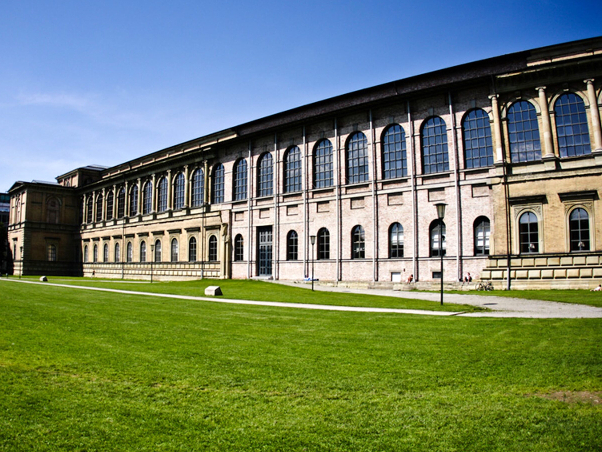

Munich's Alte Pinakothek is not just a museum; it's a journey through the rich tapestry of European art history. Nestled in the vibrant district of Maxvorstadt, this venerable institution offers a window into the past, where the brushstrokes of the Old Masters tell tales of centuries gone by. As you step into the stately halls of the Alte Pinakothek, you are enveloped in an aura of timelessness, where art and history converge in a single, magnificent space.
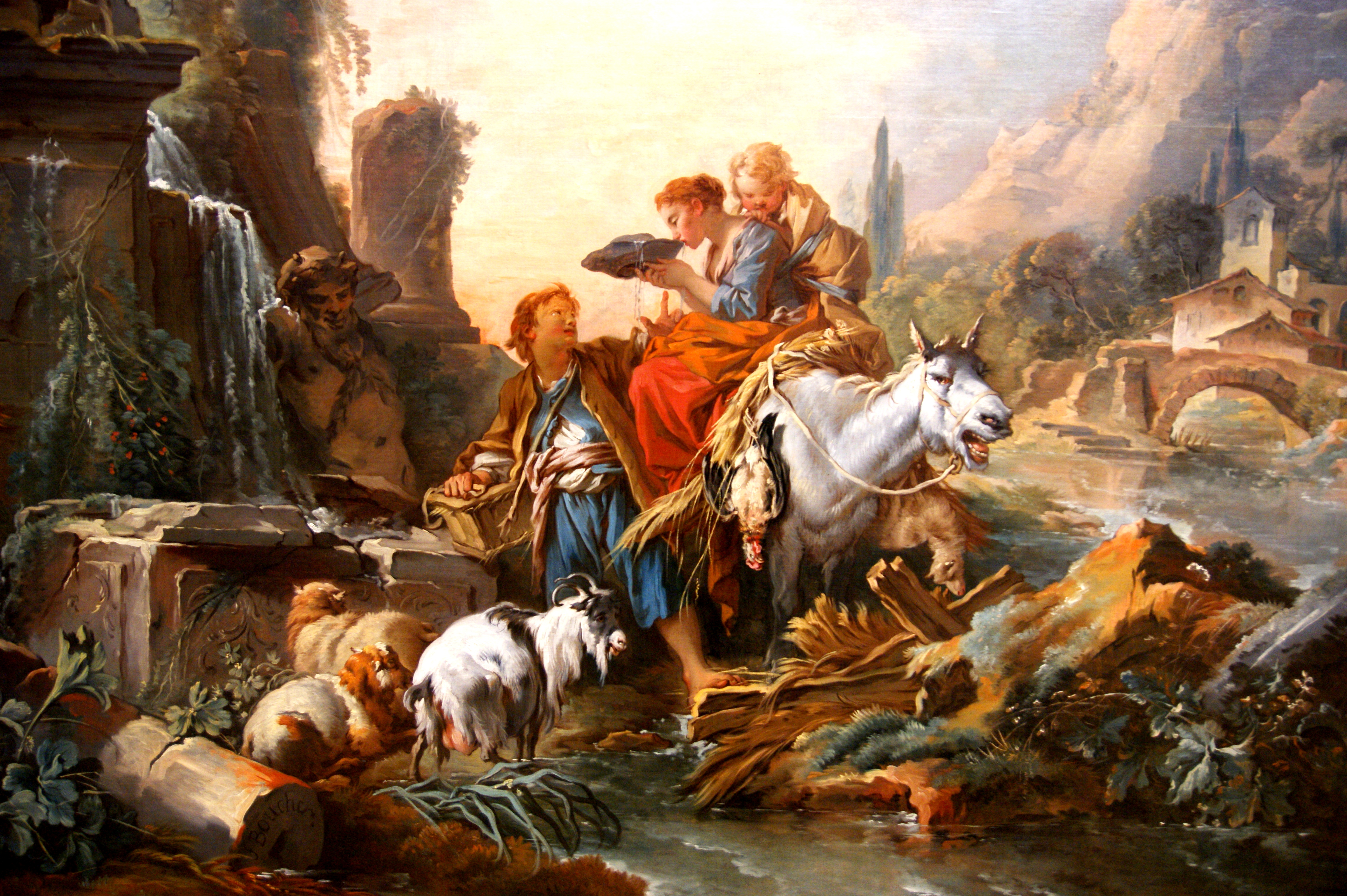
The story of the Alte Pinakothek begins with King Ludwig I of Bavaria, whose vision and passion for the arts led to its creation. Completed in 1836, the museum was designed by architect Leo von Klenze in a Neoclassical style, characterized by its grand, austere facade and harmonious proportions. At the time, it was the largest museum in the world, a testament to Ludwig's ambition to create a cultural epicenter that would rival the great galleries of Europe. The museum's name, derived from the Greek word "pinakotheke" meaning picture gallery, reflects its dedication to housing a vast collection of artworks.
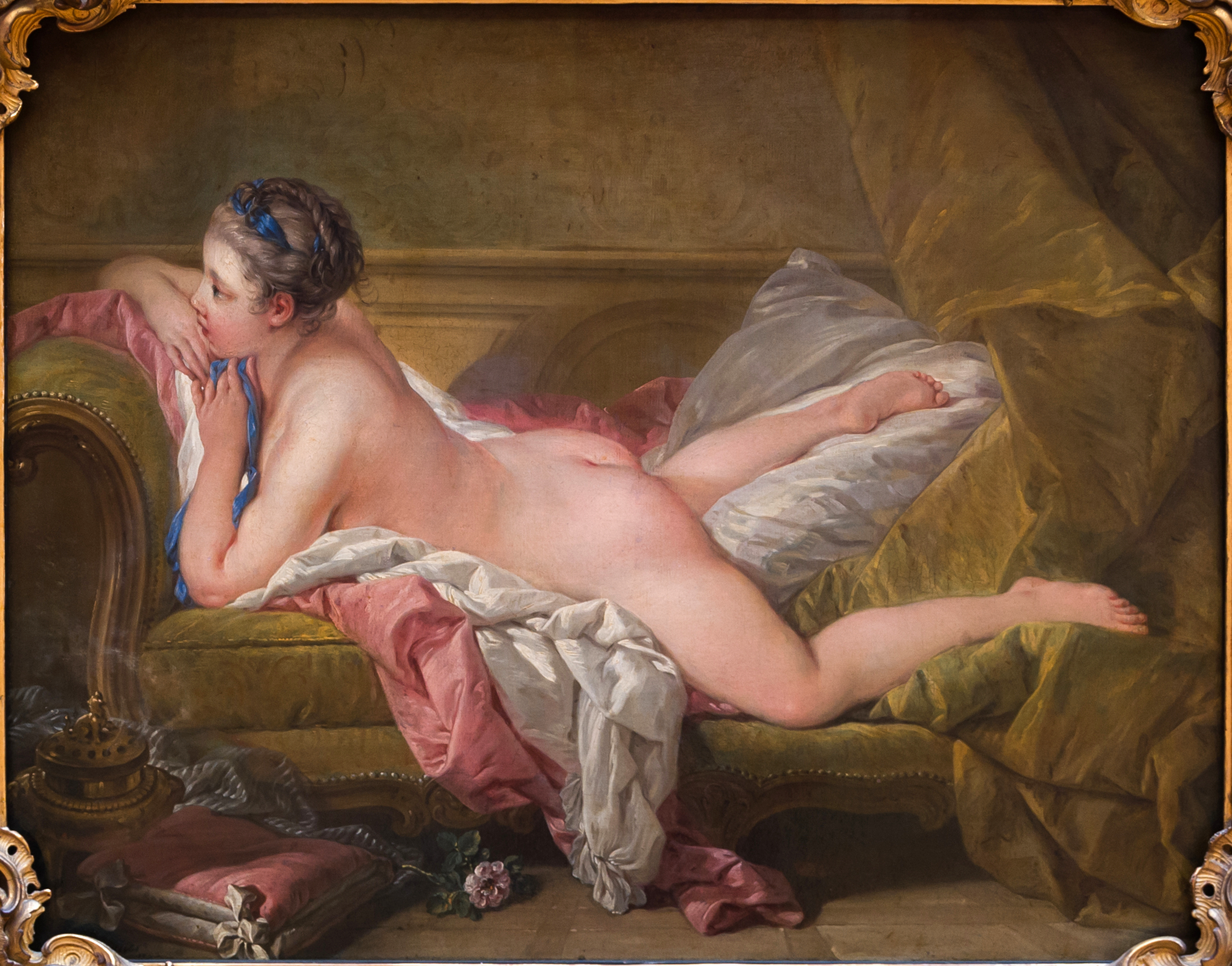
Inside the Alte Pinakothek, visitors are treated to an unparalleled collection of masterpieces. The museum is home to over 700 paintings spanning the 14th to 18th centuries, featuring works by titans such as Leonardo da Vinci, Albrecht Dürer, Peter Paul Rubens, and Rembrandt van Rijn. One of the highlights is Rubens' massive "Last Judgment," which dominates an entire wall with its dramatic intensity. The museum's collection is not only significant for its breadth but also for the depth of its representation of German painters, offering insights into the evolution of German art through the ages.
The building itself is a masterpiece of architectural design. Von Klenze's use of natural light, with skylights and large windows, creates an environment where each painting is illuminated with a soft, ethereal glow. The layout of the galleries encourages a contemplative journey through the art, allowing visitors to appreciate the nuanced details of each work. The museum's recent renovations have preserved its historical charm while integrating modern amenities, ensuring a comfortable experience for art lovers.
Munich, with its deep-rooted traditions and vibrant cultural scene, is an ideal backdrop for this bastion of art. The city is known for its lively festivals, such as the Oktoberfest, a global celebration of Bavarian culture, and the Starkbierfest, a lesser-known but equally spirited festival dedicated to strong beers. The Alte Pinakothek plays an integral role in Munich's cultural fabric, often hosting exhibitions and events that draw art enthusiasts from around the world.
No visit to Munich is complete without indulging in its culinary delights. After a day of exploring the Alte Pinakothek, visitors can savor traditional Bavarian dishes like Weißwurst (a white sausage served with sweet mustard) and Brezn (soft pretzels) at nearby establishments. Pair these with a refreshing Helles beer, and you have a quintessential Munich dining experience. For those with a sweet tooth, the Prinzregententorte, a layered chocolate and buttercream cake named after Prince Regent Luitpold, is a must-try.
Beyond the well-trodden path of the museum lies a tapestry of lesser-known stories. Few visitors realize that during World War II, the Alte Pinakothek suffered extensive damage from bombings, leading to the loss of parts of its collection. The painstaking restoration efforts that followed are a testament to the resilience and dedication to cultural preservation. Another intriguing detail is the museum's influence on the modern art world; its vast collection of Rubens' works inspired many 20th-century artists, including Pablo Picasso.
For those planning a visit, the best time to explore the Alte Pinakothek is during the quieter seasons of spring and autumn, when the museum is less crowded. An insider tip is to visit on Sundays, when admission prices are significantly reduced, allowing for a budget-friendly cultural experience. While there, take the time to notice the subtle interplay of light and shadow on the paintings, a feature meticulously crafted by von Klenze.
The Alte Pinakothek is more than a repository of art; it is a living testament to the power of creativity and the enduring legacy of human expression. As you wander through its hallowed halls, you become part of a tradition that spans generations, a tradition that continues to inspire and captivate those who seek to understand the world through art.


