
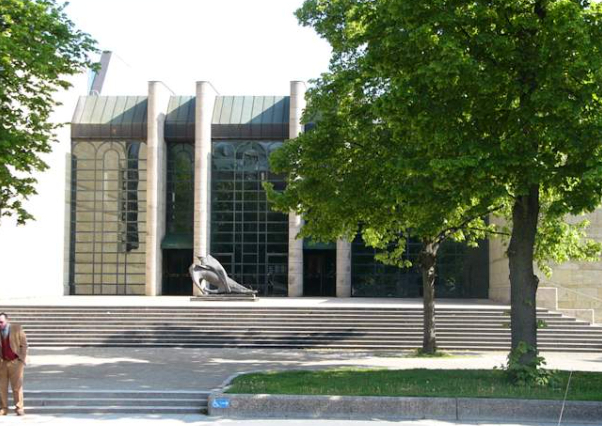

The Neue Pinakothek in Munich is more than just a repository of art; it is a vibrant narrative of European creativity from the 18th to the 19th century. This renowned gallery, located in the heart of Bavaria's capital, offers a rich tapestry of history, culture, and artistic innovation that beckons art enthusiasts and casual visitors alike.
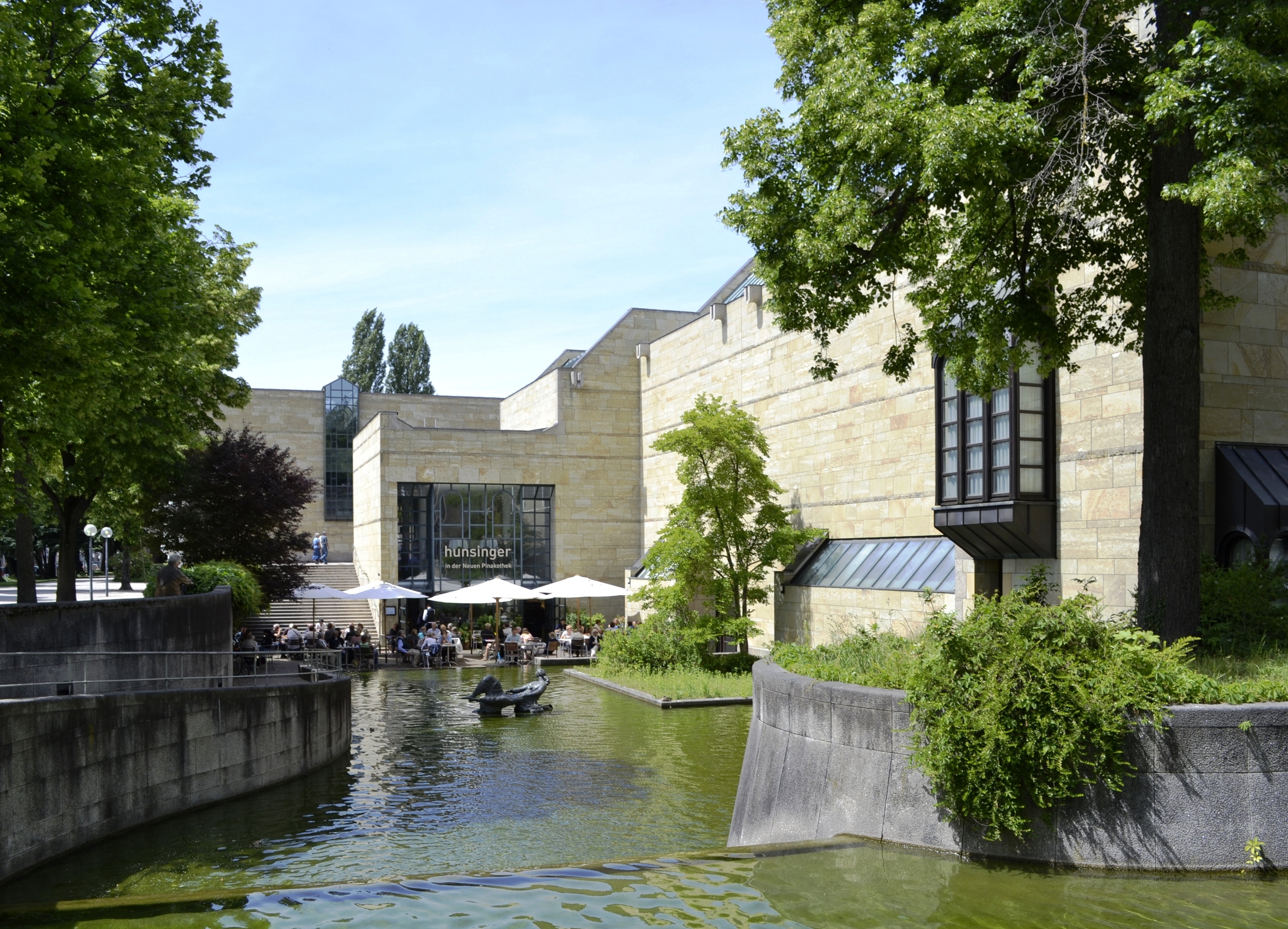
The origins of the Neue Pinakothek are steeped in the vision of King Ludwig I of Bavaria, a monarch with a profound appreciation for art. Founded in 1853, the museum was born from Ludwig’s desire to showcase contemporary art of his time, a daring endeavor that set it apart from collections focused solely on antiquities. Over the years, the museum's collection expanded, although the original building was tragically destroyed during World War II. In 1981, a new structure designed by architect Alexander von Branca rose from the ashes, embodying a blend of modernity and tradition that reflects Munich's resilient spirit.
Architecturally, the Neue Pinakothek is a testament to the harmonious marriage of form and function. Its design, while modern, is infused with elements that pay homage to classical aesthetics, offering a serene backdrop for the museum's masterpieces. Inside, visitors are greeted by an impressive collection that includes works by Francisco Goya, William Hogarth, and Max Liebermann. Among the highlights is Vincent van Gogh's "Sunflowers," a vibrant explosion of color that captivates viewers with its intensity and emotion. The museum also houses significant pieces by Caspar David Friedrich and Claude Monet, making it a must-visit for those interested in the evolution of European art.
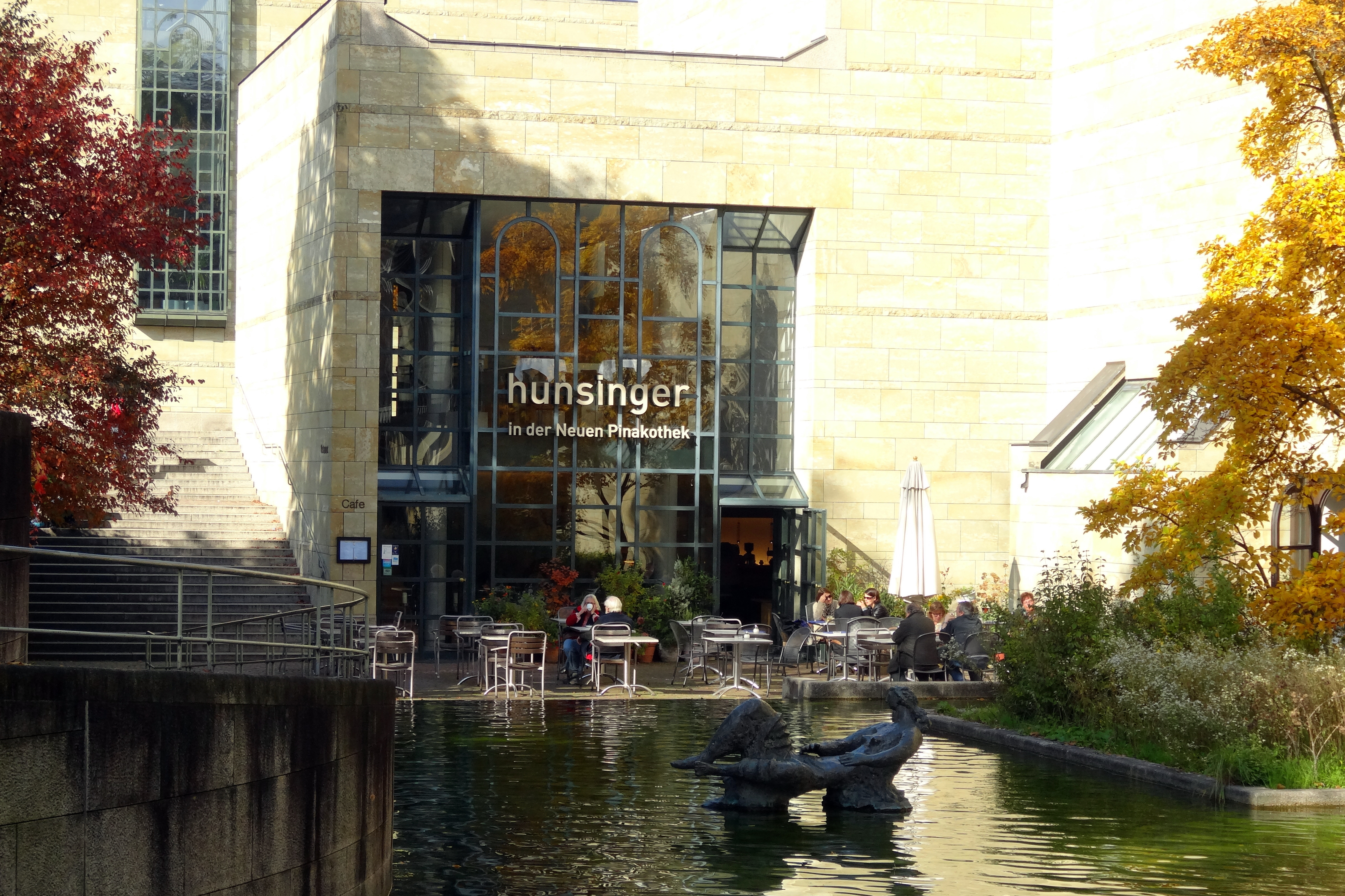
Munich's cultural landscape is deeply intertwined with the Neue Pinakothek. The city's love for art extends beyond its galleries and into its streets, where festivals like the annual Munich Art Week celebrate creativity in all its forms. The museum itself plays host to numerous special exhibitions and educational programs, fostering a deep connection between the local community and the art world. This cultural vibrancy is a reflection of Munich’s dedication to preserving and promoting its artistic heritage.
No visit to Munich is complete without indulging in its culinary delights. While the Neue Pinakothek does not have an in-house café, the surrounding area boasts an array of gastronomic experiences. Visitors can savor traditional Bavarian dishes such as Weißwurst (a delicate white sausage) or a hearty Schweinshaxe (pork knuckle) at nearby eateries. For a sweet treat, the Apfelstrudel served with vanilla sauce is a local favorite that offers a taste of Bavaria’s rich culinary tradition. Pair these with a glass of locally brewed beer, and you have a meal that is as satisfying as it is authentic.
Delve deeper into the museum, and you’ll uncover fascinating curiosities that often escape the casual observer. One such gem is the collection of English landscape paintings, which underscores the cultural exchange between Bavaria and England during Ludwig I’s reign. The museum's lesser-known corridors also house stunning works by lesser-celebrated artists, offering a quieter but equally profound artistic experience. Moreover, the museum’s temporary exhibitions often spotlight contemporary interpretations of classic themes, providing a fresh perspective on historical art.
For those planning a visit, the best time to explore the Neue Pinakothek is during the morning hours when the museum is less crowded, allowing for a more intimate experience with the artworks. It's advisable to check the museum’s schedule for special exhibitions that might pique your interest. A guided tour can enrich your visit, offering insights into the stories behind the paintings and the artists who created them. Lastly, remember to explore the museum's gift shop, where you can find unique art-inspired souvenirs to commemorate your visit.
The Neue Pinakothek is not just a museum; it is a portal into the world of art, history, and culture. Its walls echo the voices of the past, yet they resonate with the vibrancy of the present, making it a quintessential stop for anyone eager to experience the artistic heart of Munich.


