
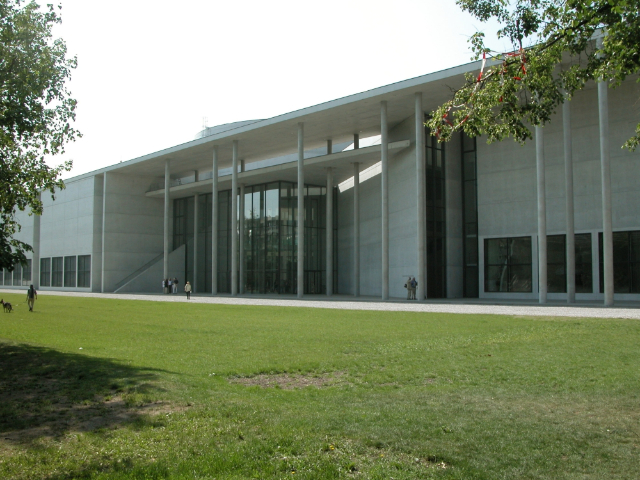

In the heart of Munich, where tradition and innovation intertwine, stands the Pinakothek der Moderne, a beacon of contemporary creativity. This museum, part of the renowned Pinakothek trio, is a testament to the city's dedication to art and culture. As you step into its vast halls, you're greeted by a symphony of modern aesthetics and thought-provoking pieces that challenge conventional boundaries.
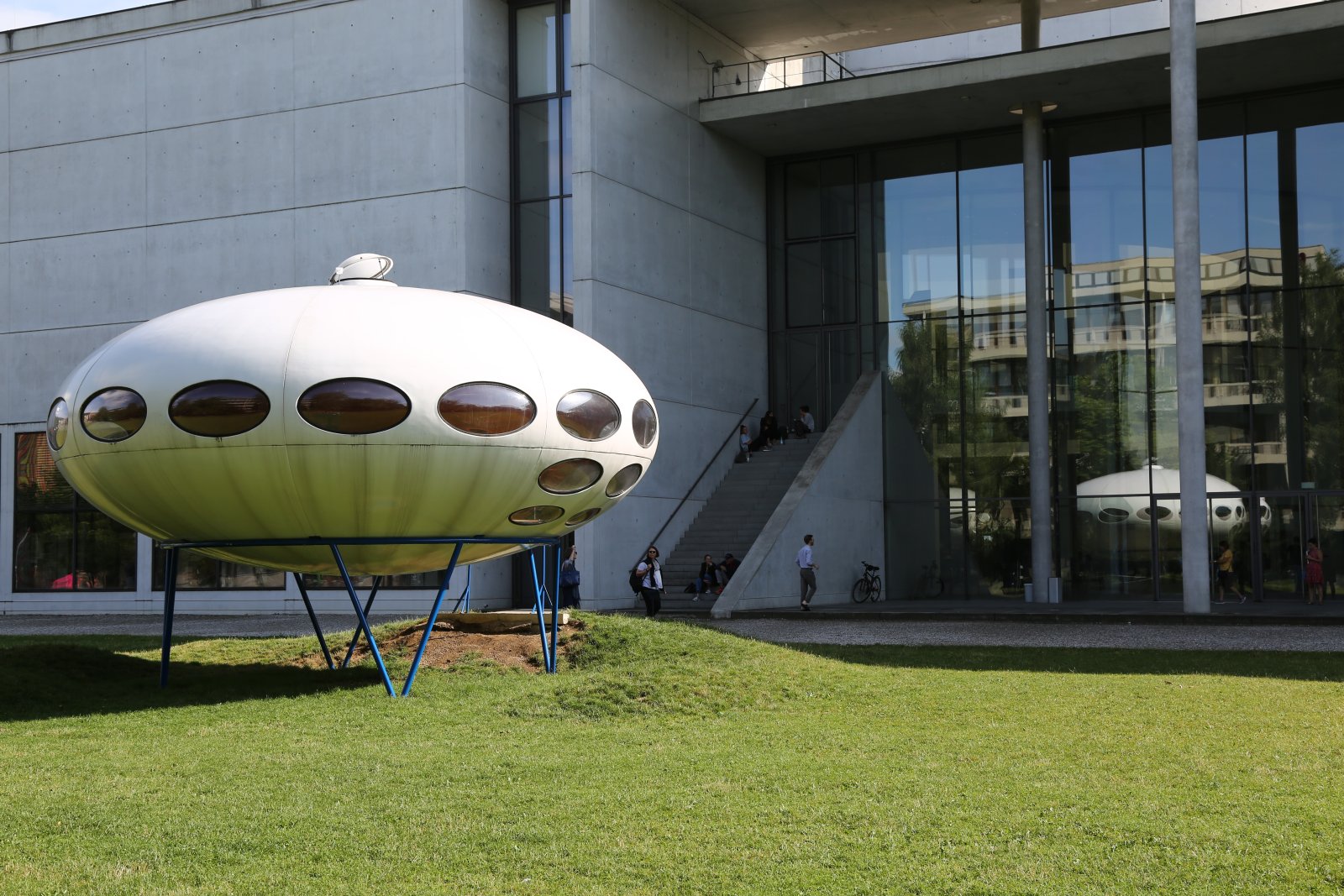
The story of the Pinakothek der Moderne begins in the early 20th century, yet its roots dig even deeper into Munich's cultural soil. The museum opened its doors in 2002, but the vision for a space dedicated to modern art was seeded much earlier. The museum is the culmination of a long-held dream to house contemporary art, design, and architecture under one roof, expanding on the foundations laid by the Alte Pinakothek and Neue Pinakothek. Its establishment marked a new era for Munich, filling a cultural void left by the devastation of World War II and reflecting the city's resilience and resurgence as a hub of modern artistry.
The architecture of the Pinakothek der Moderne is as much a part of its allure as the collections it houses. Designed by renowned German architect Stephan Braunfels, the building is a masterpiece of minimalist design. Its clean lines and expansive spaces create a serene environment that allows the art to breathe and resonate with visitors. The central rotunda, flooded with natural light, serves as the heart of the museum, connecting four distinct collections: art, design, works on paper, and architecture. Notable artworks include pieces by Pablo Picasso, Max Beckmann, and Andy Warhol, each offering a unique lens through which to view the evolution of modern art.
Munich's cultural tapestry is woven with rich traditions and vibrant festivals, which are reflected in the atmosphere surrounding the Pinakothek der Moderne. The museum is a part of the Kunstareal, Munich's cultural district, where history and modernity coexist. Visitors often experience this blend firsthand during events like the Munich Creative Business Week or the Long Night of Museums, where the city comes alive with creativity and artistic expression. This dynamic setting enhances the museum's role as a cultural cornerstone, drawing locals and tourists alike into its modern embrace.
Beyond the art, Munich offers a culinary landscape that is both traditional and innovative. While exploring the Pinakothek der Moderne, visitors can indulge in local gastronomic delights that complement the artistic experience. A short stroll from the museum, you might savor a hearty Weißwurst breakfast, complete with pretzels and sweet mustard, or enjoy a refreshing Radler, a beer mixed with lemonade, perfect for a midday pause. The museum's own café offers a modern twist on Bavarian classics, providing a tasteful interlude in between gallery visits.
One of the lesser-known curiosities of the Pinakothek der Moderne is its role as a living museum. Unlike traditional galleries, it frequently rotates exhibits, creating a dynamic space that encourages multiple visits. Hidden details, such as the subtle integration of art pieces within the building's architecture, often go unnoticed by the casual observer. For instance, the interplay of light through the rotunda transforms the experience of viewing sculptures and paintings, depending on the time of day and season.
For those planning a visit, the best time to explore the Pinakothek der Moderne is during the quieter months of spring or autumn, when the museum is less crowded, allowing for a more intimate experience with the art. As you wander through its halls, take time to explore each of the four collections, and don't miss the chance to attend one of the insightful talks or workshops often hosted there. Also, consider purchasing a combined ticket to enjoy the neighboring Alte and Neue Pinakothek museums, enriching your understanding of art's journey from the past to the present.
In essence, the Pinakothek der Moderne is not just a museum; it's a vibrant dialogue between history and modernity, a place where art continues to evolve and inspire. Whether you're an art aficionado or a curious traveler, this Munich gem offers a profound glimpse into the ever-changing landscape of contemporary culture.


