
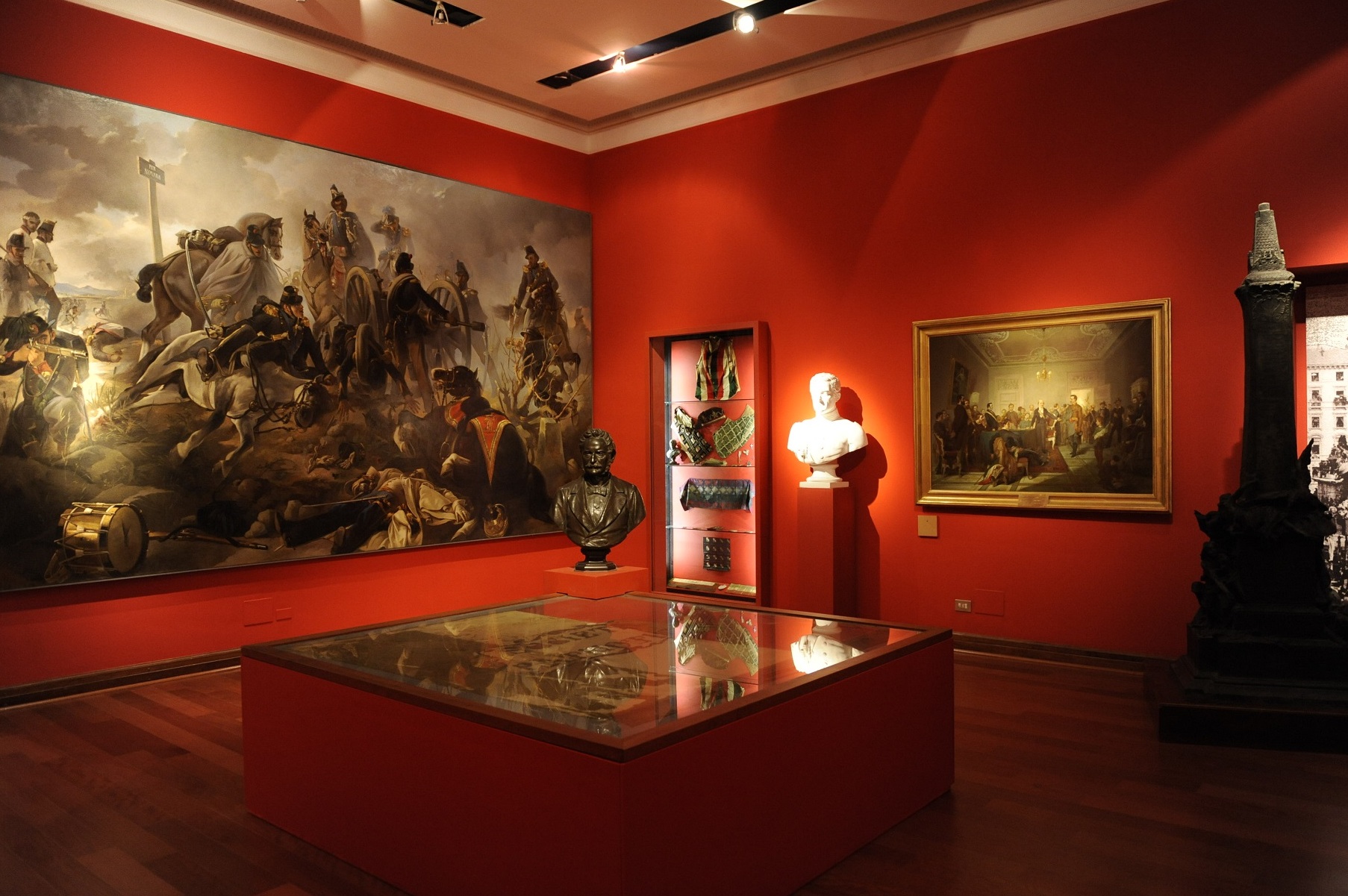

Nestled in the heart of Milan, the Museum of the Risorgimento is a treasure trove of Italy's tumultuous journey towards unification. Housed within the elegant Palazzo Moriggia, a masterpiece designed by Giuseppe Piermarini in 1775, the museum stands as a testament to an era that reshaped the Italian landscape. The palazzo itself has a storied past, having served as the seat of the Ministry of Foreign Affairs during the Napoleonic era, and later the Ministry of War.

The building transitioned into its current role as a museum thanks to the generosity of Giulietta De Marchi, the wife of noted naturalist Marco De Marchi, who donated it to the City of Milan in 1900. The museum officially opened to the public in 1935, showcasing a rich collection that spans from 1796, the year of Napoleon's initial campaign in Italy, to 1870, when Rome became part of the unified Kingdom of Italy.
The journey of the Italian Risorgimento, or "Resurgence," is intricately tied to the struggles and aspirations of its people, and the museum's exhibits reflect this narrative through an impressive array of prints, paintings, sculptures, and memorials. Visitors can explore the trials of legendary figures such as Giuseppe Garibaldi, whose military exploits were pivotal in the unification process, and Count Camillo di Cavour, the statesman who played a crucial role in the political maneuvering that led to Italy’s consolidation.
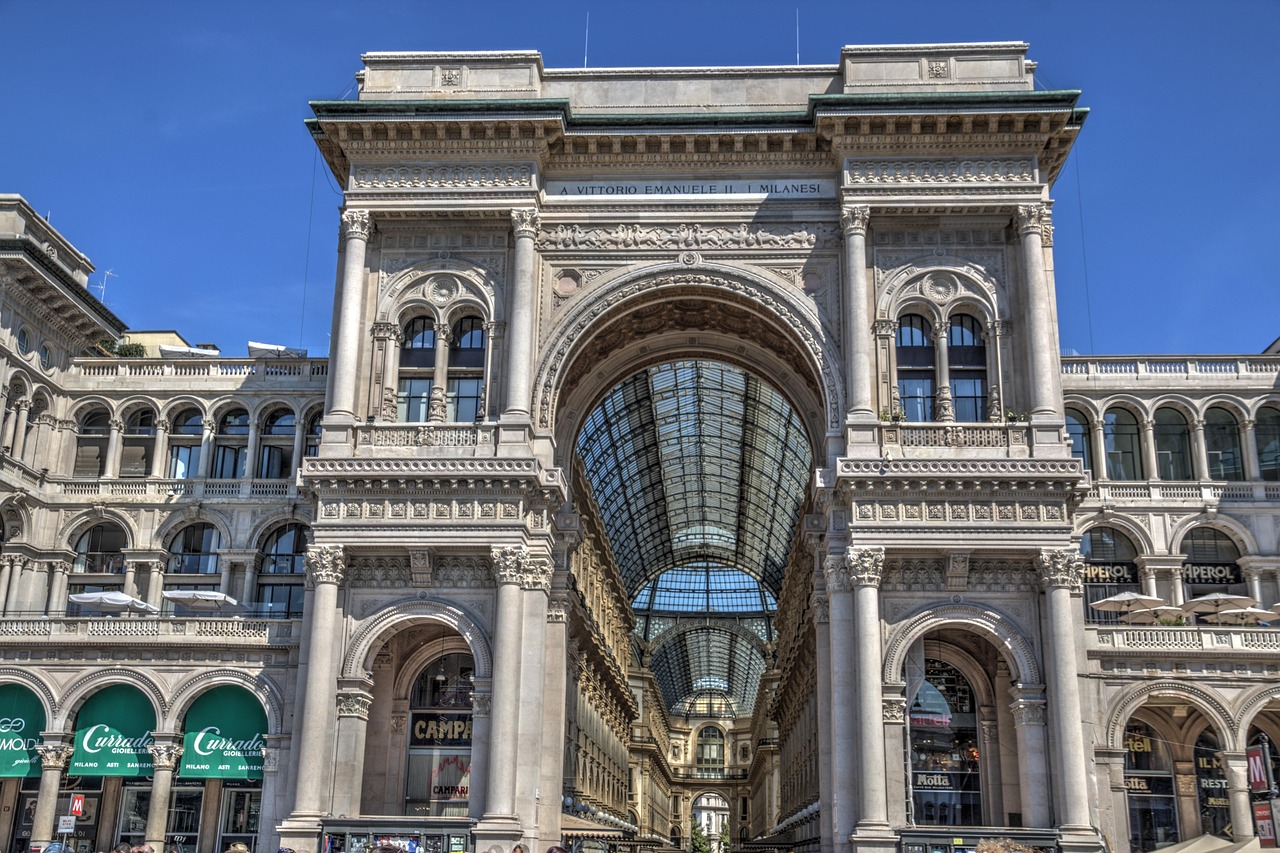
Architecturally, the Palazzo Moriggia is a stunning example of Neoclassical design, with its grand façade and stately interiors offering a glimpse into the opulence of 18th-century Milan. Within its walls, the museum houses notable artworks, including portraits of key figures in the Risorgimento and battle scenes that capture the fervor of the era. The intricate frescoes and decorative stuccos that adorn the ceilings provide a backdrop that enhances the historical significance of the collections on display.
Local culture and traditions are deeply woven into the fabric of Milanese life, and the museum reflects this through its programming and community engagement. The city is known for its vibrant festivals, such as the Festa di Sant'Ambrogio, celebrating Milan's patron saint in December, and the Milano Music Week, which showcases the city’s dynamic music scene. Additionally, the museum often hosts special events and exhibitions, allowing visitors to engage with local customs and contemporary interpretations of Italy’s history.
Milan's culinary landscape is equally rich, with traditional dishes that resonate with its historical context. Risotto alla Milanese, a saffron-infused rice dish, is a must-try, embodying the region's love for bold flavors. Pair it with a glass of Franciacorta, a sparkling wine from nearby Brescia, and you have a true taste of Lombardy. Exploring the museum can be complemented by a post-visit meal at a nearby trattoria, where the warmth of Italian hospitality meets the legacy of the Risorgimento.
For those seeking lesser-known curiosities, the museum harbors intriguing artifacts, including Garibaldi's sword, a symbol of his valor, and personal letters that offer insights into the motivations of key historical figures. A fascinating detail that often escapes visitors is the museum's collection of political caricatures from the era, which provide a humorous yet poignant reflection on the societal attitudes toward unification.
When planning your visit to the Museum of the Risorgimento, consider going during weekdays to avoid the crowds and enjoy a more intimate experience with the exhibits. The museum is accessible by public transport, with nearby tram and metro stations making it easy to reach from any point in the city. Allocate at least two hours to fully immerse yourself in the rich history and stories that unfold within its walls.
In summary, the Museum of the Risorgimento in Milan is not just a collection of artifacts; it is a living narrative of Italy's struggle for unity and identity. As you wander through its halls, you'll find that every piece tells a story of resilience and hope, echoing the spirit of the nation it represents. To truly capture the essence of Milan and its many layers, consider using the Secret World app to create a personalized itinerary that brings the city's history and culture to life.


