
← Back

Myrelaion Monastery

Mesih Paşa, Ordu Cd. Beyazıt, 34130 Fatih/İstanbul, Turchia ★★★★☆ 134 views
Merisol Gutierrez
Ordu Cd. Beyazıt
🏆 AI Trip Planner 2026

Get the free app

Discover the best of Ordu Cd. Beyazıt with Secret World — the AI trip planner with 1M+ destinations. Get personalized itineraries, hidden gems and local tips. Free on iOS & Android.

🧠 AI Itineraries 🎒 Trip Toolkit 🎮 KnowWhere Game 🎧 Audio Guides 📹 Videos
Scan to download iOS / Android
Scan for AppGallery Huawei users

About Myrelaion Monastery

Myrelaion Monastery - Ordu Cd. Beyazıt | Secret World Trip Planner

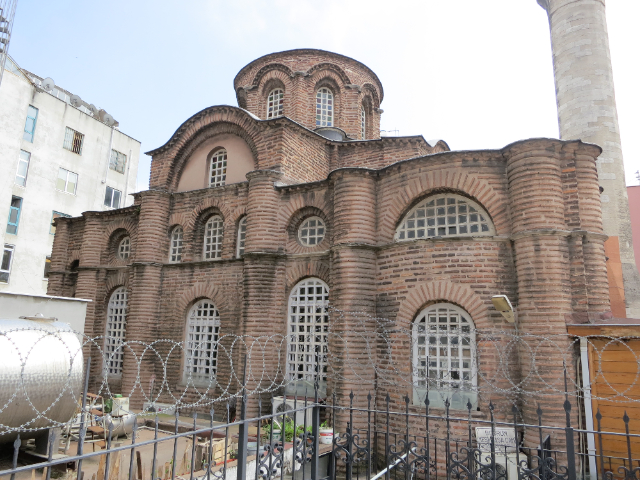
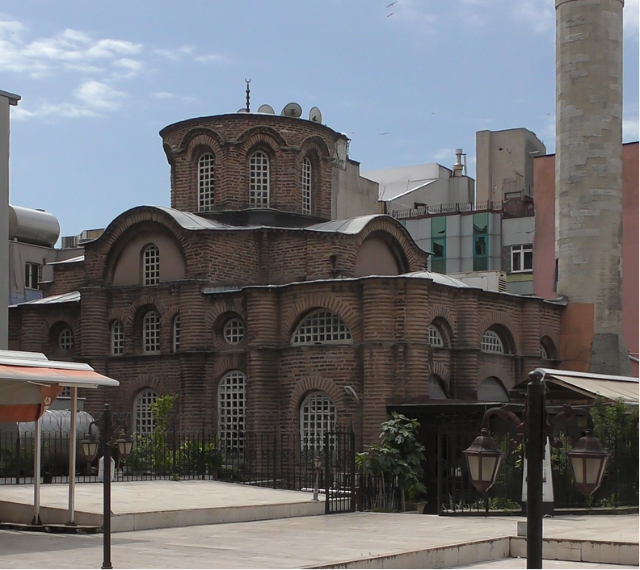
Myrelaion Monastery, also known as St. John's Monastery in Myrelaion, was a Byzantine monastery located in Istanbul, Turkey. It was built during the reign of John I Tzimiskes, Byzantine Emperor, in the late 10th century.The monastery was famous for its unique architecture and its frescoes and mosaics, which depicted scenes from the life of St. John the Baptist. However, much of the monastery has been lost over the centuries due to damage caused by earthquakes and wars. Today, only a few remnants of the original structure are visible and have been incorporated into a modern building.The Myrelaion Monastery is an important historical and cultural site representing the rich Byzantine heritage of Istanbul and Turkey.Today it is no longer a monastery, but was transformed into a mosque during the Ottoman era.The Myrelaion Mosque, as it is called today, is still in operation in Istanbul and serves as an important place of worship for the city's Muslim community.The architecture of the Myrelaion Mosque is unique, incorporating both Byzantine and Ottoman elements. The mosque's facade features a central dome and four smaller domes surrounded by a minaret.Inside, the mosque is decorated with original Byzantine frescoes and mosaics, which were preserved during its transformation into an Ottoman mosque.The Myrelaion Mosque is an important place of worship for Istanbul's Muslim community and also a popular tourist attraction for visitors to the city. Its unique architecture and rich history make it an interesting example of how cultures and religions have influenced and integrated in Istanbul over the centuries.
Myrelaion Monastery - Ordu Cd. Beyazıt | Secret World Trip Planner
🗺 AI Trip Planner

Plan your visit to Ordu Cd. Beyazıt

Suggested itinerary near Myrelaion Monastery

MAJ+
500.000+ travelers worldwide
  1. 🌅
    Morning
    Myrelaion Monastery
    📍 Ordu Cd. Beyazıt
  2. ☀️
    Afternoon
    Grand Bazaar is one of the oldest markets in the world
    📍 1 km · Ordu Cd. Beyazıt
  3. 🌆
    Evening
    Spice Bazaar
    📍 1.5 km · Ordu Cd. Beyazıt

Buy Unique Travel Experiences

Powered by Viator

See more on Viator.com

Explore nearby · Ordu Cd. Beyazıt

Frequently Asked Questions

Myrelaion Monastery was built during the late 10th century under the reign of Byzantine Emperor John I Tzimiskes. The monastery was an important religious structure that showcased Byzantine architectural and artistic excellence during this period.
Much of the original monastery was damaged and lost due to earthquakes and wars throughout the centuries. Today, only a few remnants of the original structure remain, having been incorporated into a modern building after the site was transformed into a mosque during the Ottoman era.
Visitors can see original Byzantine frescoes and mosaics that were preserved during its transformation from a monastery into an Ottoman mosque, including scenes from the life of St. John the Baptist. The interior features a unique blend of Byzantine and Ottoman architectural elements, including a central dome and four smaller domes.
Yes, the Myrelaion Mosque remains an active place of worship for Istanbul's Muslim community and serves as an important religious site. It is also a popular tourist attraction that demonstrates the cultural and religious integration that has occurred in Istanbul over centuries.
The mosque features a distinctive architectural style that seamlessly blends Byzantine and Ottoman elements, with a facade showcasing a central dome, four smaller domes, and a minaret. This fusion of two different architectural traditions makes it an exceptional example of Istanbul's diverse cultural heritage and how religions have influenced building design over time.