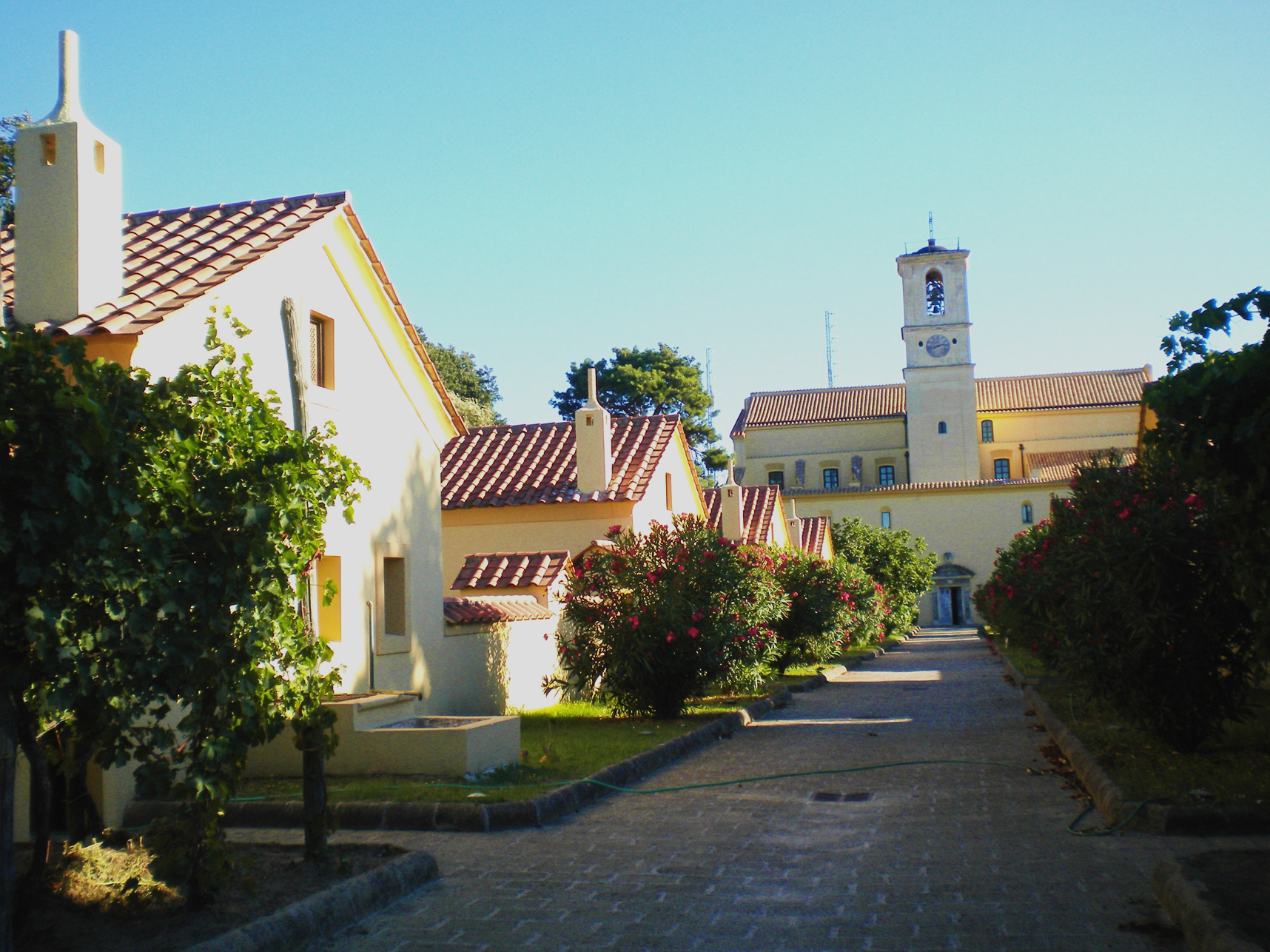

Nestled in the serene hills overlooking the bustling city of Naples, the Hermitage of the Most Holy Savior (Hermitage di SS. Salvatore) stands as a testament to the region's rich history and vibrant culture. Founded in 1585 under the auspices of Giovanni D'Avalos, son of Alfonso of Aragon, this tranquil sanctuary was dedicated to the Most Holy Redeemer and has since evolved into a significant landmark that reflects the spiritual and artistic legacy of Campania.
### History and Origins The hermitage's history begins in the late 16th century, a time when the Camaldolese monks sought solitude and devotion in the lush hills of Naples. Giovanni D'Avalos envisioned a place where spirituality intertwined with the natural beauty of the landscape. The site, located at 485 meters above sea level, provided the monks with a panoramic view of the Gulf of Naples and the breathtaking Sorrento Peninsula. Over the centuries, this sacred space has undergone various transformations, yet the essence of its founding remains intact.
### Art and Architecture Designed by the notable architect Domenico Fontana, the hermitage exemplifies the late Renaissance architecture that flourished in Campania during the 16th century. The complex is characterized by its harmonious proportions and elaborate details, which invite visitors to explore its serene spaces. The interior church is adorned with remarkable frescoes and paintings from the 17th century, featuring the works of masters such as Luca Giordano, Andrea Mozzilli, Federico Barocci, and Massimo Stanzione. Each artwork tells a story of divine inspiration and artistic prowess, offering a glimpse into the spiritual fervor of the era.
### Local Culture and Traditions The Hermitage of SS. Salvatore is not only a sanctuary for the soul but also a hub of local culture. The nearby community celebrates various festivals, particularly during the feast of the Most Holy Redeemer, which takes place annually in September. This event draws both locals and visitors, featuring processions, traditional music, and culinary delights that highlight the region's rich heritage. Additionally, the monks' legacy of tranquility and contemplation continues to resonate, attracting pilgrims and seekers of peace.
### Gastronomy A visit to the hermitage is incomplete without indulging in the local gastronomy. The region is renowned for its cuisine, with specialties such as pizza napoletana, sfogliatella, and limoncello. Local trattorias often serve dishes steeped in history, using fresh ingredients sourced from the surrounding hills and coastal waters. Pair your meal with a glass of local wine, such as Falanghina, which perfectly complements the flavors of Campania.
### Lesser-known Curiosities While many tourists flock to the more famous sites in Naples, the Hermitage of SS. Salvatore offers hidden treasures that often go unnoticed. One such curiosity is the hermitage’s extensive library, which houses ancient texts and manuscripts that date back centuries. These documents provide invaluable insights into the spiritual practices and daily lives of the monks. Additionally, the serene gardens surrounding the hermitage are home to several medicinal plants, reflecting the monks' knowledge of herbal remedies and the natural world.
### Practical Visitor Information For those wishing to visit, the best time is during the spring and fall months when the weather is mild, and the surrounding countryside blooms with colors. The hermitage is accessible by a scenic hike, allowing you to immerse yourself in the natural beauty of the area. When visiting, take time to explore the church’s interior and admire the artworks, and don’t miss the opportunity to enjoy the breathtaking views from the terrace.
In conclusion, the Hermitage of SS. Salvatore is a hidden gem in Naples, rich in history, art, and culture. It offers a unique perspective on the spiritual and artistic heritage of the region, making it a worthwhile stop for those seeking an authentic experience. For a more personalized journey through Napoli, consider using the Secret World app to plan your itinerary.
