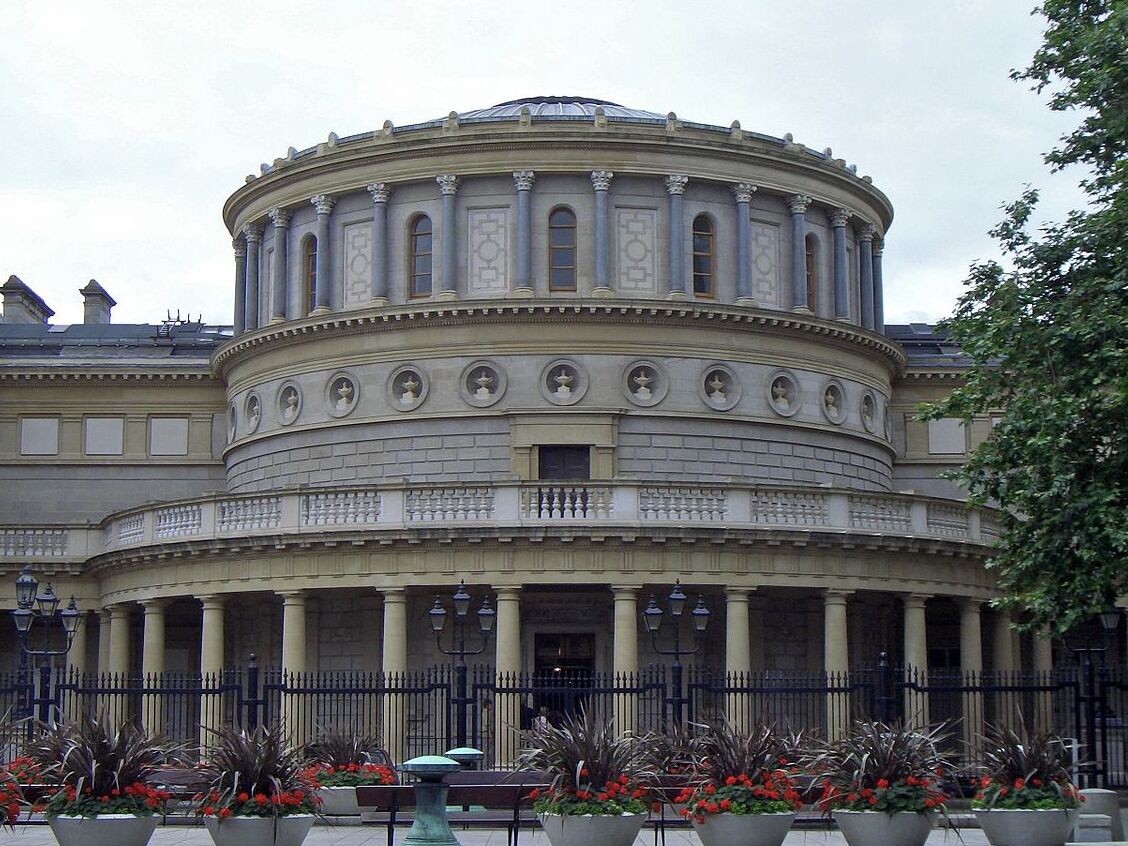

Stepping into the National Museum of Ireland—Archaeology is akin to embarking on a time-traveling journey through the very soul of Ireland's rich heritage. Nestled in the heart of Dublin on Kildare Street, this museum is a treasure trove of artifacts that tell the story of the Emerald Isle from ancient times to the dawn of modern civilization.
### History and Origins
The roots of the National Museum of Ireland can be traced back to the early 19th century when the Royal Dublin Society began collecting items of natural history and antiquities. In 1890, the Archaeology branch opened its doors, designed by architect Thomas Newenham Deane in a stunning Palladian style. The museum's establishment marked a significant moment in Ireland's cultural history, providing a permanent home for a vast collection that had previously been scattered across various institutions.
One of the most notable events in its history came in the 1920s when the museum expanded its focus to include the preservation of Irish heritage in the wake of the country’s independence. Over the years, it has become a vital center for research and education, showcasing the evolution of Irish civilization through its meticulously curated exhibitions.
### Art and Architecture
Upon entering the museum, visitors are greeted by the grandeur of its Victorian architecture. The high ceilings and ornate details create an atmosphere of reverence, perfectly suited for the priceless artifacts housed within. The building itself is a work of art, with intricate mosaics, decorative plasterwork, and a breathtaking central staircase that all contribute to its architectural significance.
Among the museum's 2 million artifacts, the gold torcs, intricate jewelry from the Bronze Age, and the Viking treasures are particularly noteworthy. The highlight of the collection is arguably the Kingship and Sacrifice exhibition, which features the Bog Bodies—remarkable human remains preserved in Ireland’s bogs. These artifacts not only demonstrate the advanced burial practices of the time but also provide a haunting glimpse into the lives of our ancestors.
### Local Culture and Traditions
The museum is a microcosm of Irish culture, reflecting local customs and traditions that have evolved over millennia. One of the more fascinating aspects of Irish heritage is the importance of storytelling and folklore, often depicted in the artifacts on display. The practice of Ogham writing, an ancient form of script, highlights the deep-rooted connection between language and identity in Ireland.
Festivals celebrating Irish culture, such as the Dublin Festival of History, often feature exhibitions and events hosted at the museum, drawing connections between historical artifacts and contemporary interpretations of Irish identity. Visitors may also encounter workshops and lectures that delve into the significance of these traditions, enriching their understanding of Ireland’s cultural tapestry.
### Gastronomy
While exploring the museum, don’t miss the opportunity to indulge in some local culinary delights nearby. Dublin is famous for its hearty fare, and you might want to try traditional dishes like Irish stew, made with lamb or beef, and slow-cooked vegetables. Pair your meal with a pint of Guinness, brewed just a short distance away, or sample a glass of Irish whiskey for a true taste of local craftsmanship.
Another local favorite is soda bread, often served with a bit of butter, reflecting the simple yet flavorful nature of Irish cuisine. Many cafés in the vicinity of the museum offer these traditional dishes, allowing you to savor the flavors of Ireland after a day of exploring its history.
### Lesser-Known Curiosities
While many visitors flock to the more famous exhibits, there are hidden gems within the museum that often go unnoticed. For instance, the Celtic gold ornaments—delicately crafted and strikingly beautiful—are a testament to the artistry of ancient Irish craftsmen.
Another intriguing detail is the story of the Viking burial artifacts, which reveal how these seafarers influenced Irish culture and trade. The museum’s collection of medieval manuscripts, including beautifully illuminated texts, showcases the blend of art and spirituality that characterized Ireland during this period.
### Practical Visitor Information
The National Museum of Ireland—Archaeology is open year-round, but the best time to visit is during the off-peak months of September to November or January to March, when crowds are thinner, allowing for a more intimate experience with the exhibits. Admission is free, making it accessible to everyone.
To make the most of your visit, consider mapping out the exhibitions that pique your interest. With eight main permanent exhibitions, it can be easy to feel overwhelmed. Don’t forget to check the museum's schedule for any temporary exhibitions or events that might coincide with your visit.
As you explore the vast halls of this remarkable institution, take a moment to appreciate not just the artifacts but the stories they tell—stories of the people, their struggles, triumphs, and the ever-evolving identity of Ireland.
For a personalized experience, consider using the Secret World app to craft your own itinerary for a memorable visit to this captivating museum.
