
← Back

Omer Hayat Palace

Jafar Qasmi Street, Muhalla Raikhti, Chiniot, Punjab 35400, Pakistan ★★★★☆ 641 views
Freyan Mortimer
Chiniot
🏆 AI Trip Planner 2026

Get the free app

Discover the best of Chiniot with Secret World — the AI trip planner with 1M+ destinations. Get personalized itineraries, hidden gems and local tips. Free on iOS & Android.

🧠 AI Itineraries 🎒 Trip Toolkit 🎮 KnowWhere Game 🎧 Audio Guides 📹 Videos
Scan to download iOS / Android
Scan for AppGallery Huawei users

About Omer Hayat Palace

Omer Hayat Palace - Chiniot | Secret World Trip Planner

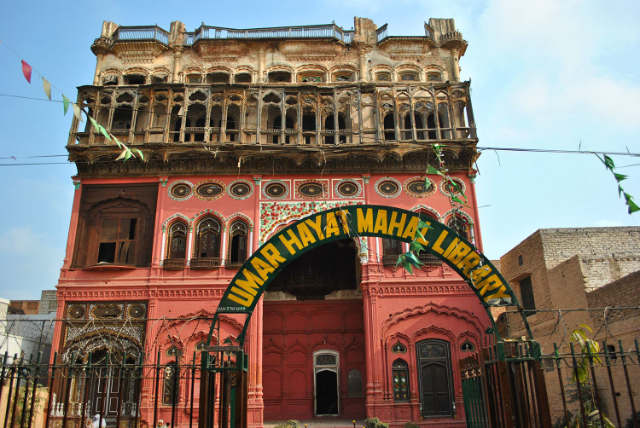
Omer Hayat Palace, also known as Gulzar Mahal, is a stunning example of wooden architecture from the 19th century, located in Chiniot, Punjab, Pakistan. This palace is one of Pakistan's most celebrated mahals, standing in the heart of the city and showcasing the rich cultural heritage of the region.
Omer Hayat Palace - Chiniot | Secret World Trip Planner

Sheikh Umer Hayat, a prosperous merchant, commissioned the construction of this opulent residence in 1923 as a home for his son. He employed skilled artisans who worked tirelessly to bring his vision to life, crafting a structure that combines artistic finesse with architectural grandeur. The palace's construction reflects the wealth and status of its owner, designed to impress and symbolize prosperity.

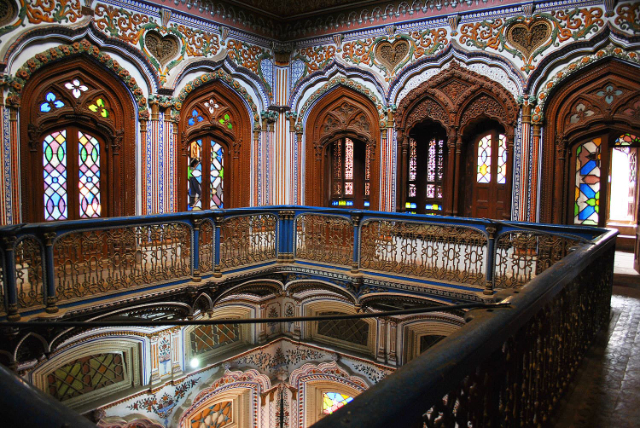
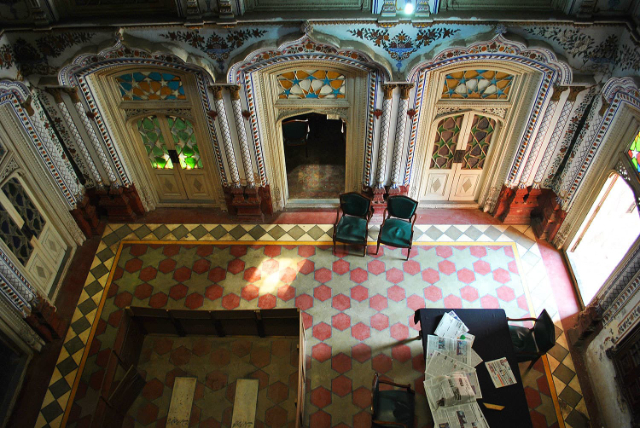
The facade of Omer Hayat Palace is particularly notable for its intricate brick inlay work, which echoes the grandiose style of Mughal architecture, a significant influence in the region during that period. The use of marble in the interior further enhances its elegance, with the stone's natural luster adding a luxurious touch to the overall aesthetic. The interiors are just as impressive, adorned with finely crafted woodwork, elaborate patterns, and decorative motifs that reflect the artistry of traditional Pakistani craftsmanship.
Omer Hayat Palace - Chiniot | Secret World Trip Planner

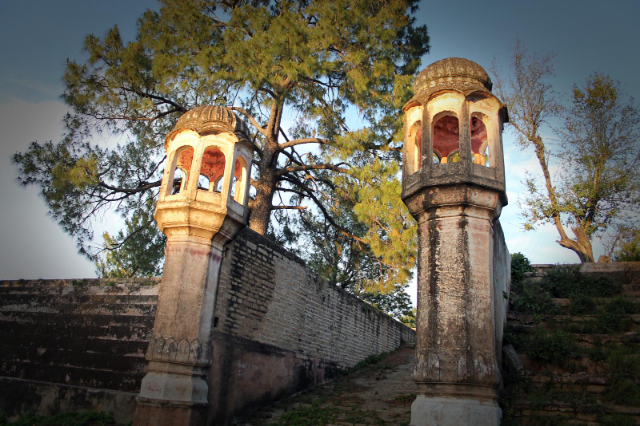
Today, Omer Hayat Palace stands not only as a historical monument but also as a testament to the sophisticated architectural practices of its time. It attracts visitors who come to admire its beauty and delve into the history of a bygone era, making it a pivotal site for cultural tourism in Chiniot. The palace’s preservation is crucial for maintaining the architectural and cultural heritage of Punjab, offering insights into the lavish lifestyles and artistic expressions of the 19th-century elite in Pakistan.
Omer Hayat Palace - Chiniot | Secret World Trip Planner
🗺 AI Trip Planner 2026

Plan your visit to Chiniot

Suggested itinerary near Omer Hayat Palace

MAJ+
500.000+ travelers worldwide
  1. 🌅
    Morning
    Omer Hayat Palace
    📍 Chiniot
  2. ☀️
    Afternoon
    The Shahi Mosque
    📍 0.3 km · Chiniot
  3. 🌆
    Evening
    Bara Mandir, the big temple
    📍 0.5 km · Chiniot

Buy Unique Travel Experiences

Powered by Viator

See more on Viator.com

Explore nearby · Chiniot

Frequently Asked Questions

Omer Hayat Palace is also known as Gulzar Mahal. This stunning 19th-century wooden structure is located in Chiniot, Punjab, Pakistan, and stands as one of the country's most celebrated mahals.
The palace was commissioned in 1923 by Sheikh Umer Hayat, a prosperous merchant, as a residence for his son. He employed skilled artisans who meticulously crafted the structure to reflect the wealth and status of its owner.
The palace features intricate brick inlay work that echoes Mughal architecture, luxurious marble interiors, and finely crafted woodwork with elaborate patterns and decorative motifs. The combination of these elements showcases the sophisticated architectural practices and traditional Pakistani craftsmanship of the era.
Omer Hayat Palace is located in Chiniot, a city in Punjab, Pakistan, where it stands in the heart of the city. The palace is a pivotal site for cultural tourism in the region.
The palace serves as a testament to the sophisticated architectural practices and cultural heritage of 19th-century Punjab, offering valuable insights into the lavish lifestyles and artistic expressions of the elite during that period. Its preservation is crucial for maintaining the architectural and cultural legacy of Pakistan.
