
← Back

The Shahi Mosque

PX9G+XQC, Chiniot, Punjab, Pakistan ★★★★☆ 511 views
Freyan Mortimer
Chiniot
🏆 AI Trip Planner 2026

Get the free app

Discover the best of Chiniot with Secret World — the AI trip planner with 1M+ destinations. Get personalized itineraries, hidden gems and local tips. Free on iOS & Android.

🧠 AI Itineraries 🎒 Trip Toolkit 🎮 KnowWhere Game 🎧 Audio Guides 📹 Videos
Scan to download iOS / Android
Scan for AppGallery Huawei users

About The Shahi Mosque

The Shahi Mosque - Chiniot | Secret World Trip Planner

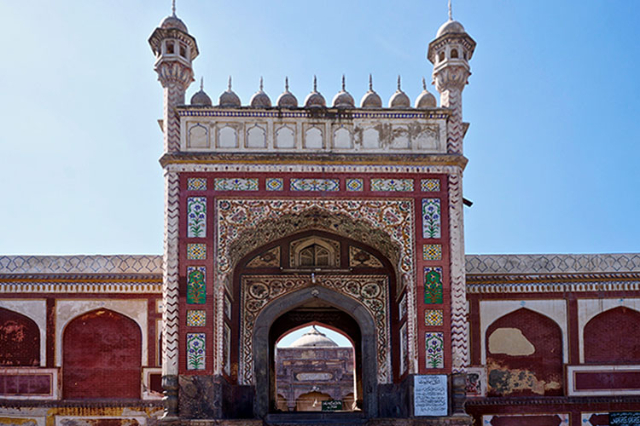
The Shahi Mosque, situated in the heart of Chiniot city in Punjab, Pakistan, is a magnificent piece of architecture from the 17th century. Constructed during the reign of Emperor Shah Jahan (1628–58) by Nawab Saad Ullah Khan, the mosque is a testament to the rich cultural and architectural heritage of the Mughal era.
The Shahi Mosque - Chiniot | Secret World Trip Planner

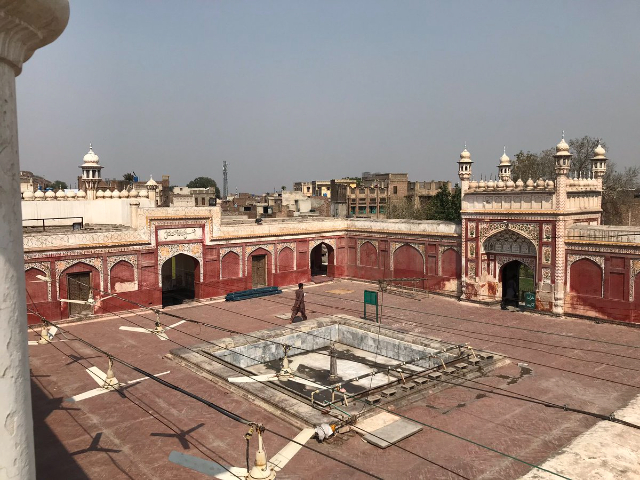
Renowned for its striking resemblance to some of the grand Mughal monuments in India, such as the Jamia Masjid in Delhi, Delhi Fort, and Lal Qila Fort, Shahi Masjid stands out due to its exquisite wooden interior and intricate artwork. This mosque is often considered a counterpart to these iconic Indian structures, sharing similar artistic and architectural influences.

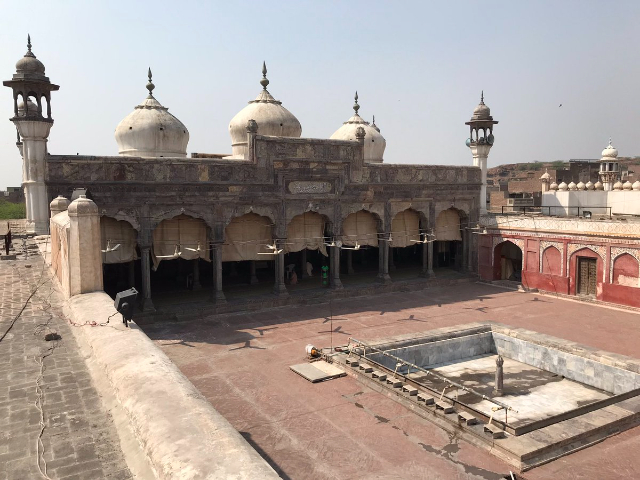
The mosque is notably crafted from stone hewn from the nearby hills of Chiniot, which lends the structure a robust and majestic appearance. Built upon a single-story podium, the mosque's grandeur is further enhanced by its external facades, which are richly decorated and feature four ornamental corner towers. These towers not only add to the mosque's aesthetic appeal but also highlight the detailed stone carving work that is characteristic of Mughal architecture.
The Shahi Mosque - Chiniot | Secret World Trip Planner

The Shahi Mosque not only serves as a place of worship but also as a major attraction for both historians and tourists, drawing visitors who are keen to explore its historical significance and architectural beauty. Its preservation helps maintain a tangible connection to the region's past and provides insight into the artistic achievements of the Mughal period in the Indian subcontinent. The Shahi Mosque of Chiniot remains a proud symbol of the city's heritage and a stunning example of Mughal craftsmanship.

🗺 AI Trip Planner 2026

Plan your visit to Chiniot

Suggested itinerary near The Shahi Mosque

MAJ+
500.000+ travelers worldwide
  1. 🌅
    Morning
    The Shahi Mosque
    📍 Chiniot
  2. ☀️
    Afternoon
    Omer Hayat Palace
    📍 0.3 km · Chiniot
  3. 🌆
    Evening
    The Tomb of Hazrat Peer Shah Burhan Udin
    📍 0.4 km · Chiniot

Buy Unique Travel Experiences

Powered by Viator

See more on Viator.com

Explore nearby · Chiniot

Frequently Asked Questions

The Shahi Mosque was constructed during the reign of Emperor Shah Jahan between 1628-58 by Nawab Saad Ullah Khan. This 17th-century structure stands as a magnificent testament to Mughal architectural and cultural heritage, making it an important historical monument in Punjab, Pakistan.
The Shahi Mosque is renowned for its exquisite wooden interior and intricate artwork that sets it apart from other Mughal monuments. These detailed carvings and decorative elements showcase exceptional craftsmanship characteristic of the Mughal era, attracting visitors interested in artistic achievements.
The mosque features four ornamental corner towers and is built upon a single-story podium with richly decorated external facades. The structure is constructed from stone hewn from nearby Chiniot hills, giving it a robust and majestic appearance enhanced by detailed stone carving work typical of Mughal architecture.
The Shahi Mosque is often considered a counterpart to iconic Indian structures like the Jamia Masjid in Delhi, Delhi Fort, and Lal Qila Fort, sharing similar artistic and architectural influences. Despite its location in Chiniot, it rivals these grand Mughal monuments in design and craftsmanship.
The Shahi Mosque serves as both an active place of worship and a major historical attraction that offers insight into Mughal artistic achievements and regional heritage. Visitors can explore its historical significance, admire its stunning architectural beauty, and witness the preservation of an important tangible connection to Pakistan's rich cultural past.
