
← Back

Sheesh Mahal

Mashkeen Pura Rd, Maskeen Pura Chiniot, Punjab, Pakistan ★★★★☆ 704 views
Freyan Mortimer
Chiniot
🏆 AI Trip Planner 2026

Get the free app

Discover the best of Chiniot with Secret World — the AI trip planner with 1M+ destinations. Get personalized itineraries, hidden gems and local tips. Free on iOS & Android.

🧠 AI Itineraries 🎒 Trip Toolkit 🎮 KnowWhere Game 🎧 Audio Guides 📹 Videos
Scan to download iOS / Android
Scan for AppGallery Huawei users

About Sheesh Mahal

Sheesh Mahal - Chiniot | Secret World Trip Planner

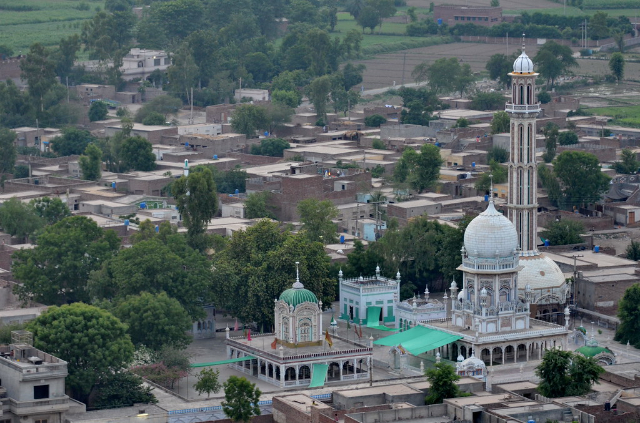
Sheesh Mahal, located on Muslim Bazar Rd in the Mohalla Chiniotian area of Chiniot, Punjab, Pakistan, is an enchanting historical site that captivates visitors with its architectural beauty and artistic charm. Often referred to as the "Saeen Sukh Shrine," this structure is popularly known as the "Sheesh Mahal" of Chiniot, akin to the more famous Sheesh Mahal in Lahore.

Adjacent to the Shah Ismail Shah Bukhari Shrine, Sheesh Mahal in Chiniot is a hidden gem in the city. The mahal's interior is adorned with mirrors that create intricate and reflective designs, which are a testament to the skilled craftsmanship of the artisans who built it. This decorative use of mirrors is characteristic of certain traditional Indian and Pakistani palaces, adding an element of grandeur and space to the interiors.

Despite its beauty and historical significance, Sheesh Mahal in Chiniot is one of the lesser-known tourist spots, possibly due to its location within the narrow streets of the city, which might deter some visitors. However, those who make the effort to visit are rewarded with a glimpse into the rich cultural heritage of Chiniot.

The experience of visiting Sheesh Mahal is both unique and awe-inspiring, as it offers a peek into the architectural ingenuity and aesthetic sensibilities of a bygone era. For those interested in architecture, history, or simply looking for an off-the-beaten-path attraction, Sheesh Mahal in Chiniot is well worth the visit. It provides a wonderful opportunity to explore an underrated yet stunning piece of architectural history in Pakistan.

🗺 AI Trip Planner 2026

Plan your visit to Chiniot

Suggested itinerary near Sheesh Mahal

MAJ+
500.000+ travelers worldwide
  1. 🌅
    Morning
    Sheesh Mahal
    📍 Chiniot
  2. ☀️
    Afternoon
    The Shahi Mosque
    📍 1 km · Chiniot
  3. 🌆
    Evening
    Bara Mandir, the big temple
    📍 1.1 km · Chiniot

Buy Unique Travel Experiences

Powered by Viator

See more on Viator.com

Explore nearby · Chiniot

Frequently Asked Questions

Sheesh Mahal is located on Muslim Bazar Rd in the Mohalla Chiniotian area of Chiniot, Punjab, Pakistan, situated adjacent to the Shah Ismail Shah Bukhari Shrine. The palace is nestled within the narrow streets of the city's old quarter, which adds to its charm as a hidden gem.
The interior of Sheesh Mahal is adorned with intricate mirrors that create reflective designs, showcasing the skilled craftsmanship of traditional artisans. This decorative use of mirrors is characteristic of traditional Indian and Pakistani palaces and adds an element of grandeur and spaciousness to the interiors.
While Sheesh Mahal is a beautiful and historically significant site, it remains one of the lesser-known tourist spots in Chiniot, partly due to its location within narrow streets that might deter some visitors. However, those who make the effort to navigate to this hidden gem are rewarded with a unique glimpse into Chiniot's rich cultural heritage.
Sheesh Mahal in Chiniot is also popularly referred to as the 'Saeen Sukh Shrine' and is often compared to the more famous Sheesh Mahal in Lahore. It represents the same architectural style and mirror-work tradition found in similar historical palaces across Pakistan.
Sheesh Mahal is ideal for visitors interested in architecture, history, and off-the-beaten-path attractions, offering a wonderful opportunity to explore an underrated yet stunning piece of architectural history. The experience is both unique and awe-inspiring, providing a peek into the architectural ingenuity and aesthetic sensibilities of a bygone era.
