
← Back

The Tomb of Hazrat Peer Shah Burhan Udin

Mohallah Kamangran Chiniot, Punjab, Pakistan ★★★★☆ 693 views
Freyan Mortimer
Chiniot
🏆 AI Trip Planner 2026

Get the free app

Discover the best of Chiniot with Secret World — the AI trip planner with 1M+ destinations. Get personalized itineraries, hidden gems and local tips. Free on iOS & Android.

🧠 AI Itineraries 🎒 Trip Toolkit 🎮 KnowWhere Game 🎧 Audio Guides 📹 Videos
Scan to download iOS / Android
Scan for AppGallery Huawei users

About The Tomb of Hazrat Peer Shah Burhan Udin

The Tomb of Hazrat Peer Shah Burhan Udin - Chiniot | Secret World Trip Planner

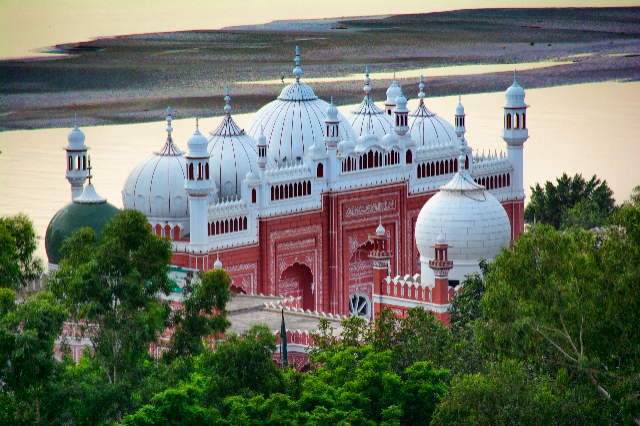
The Tomb of Hazrat Peer Shah Burhan Udin, located in Mohallah Kamangran in Chiniot, Punjab, Pakistan, stands as a significant spiritual and architectural landmark. Revered as the resting place of the famous Sufi saint Hazrat Shah Burhan-u-Din, this shrine attracts numerous visitors and pilgrims seeking spiritual solace and blessings.
The Tomb of Hazrat Peer Shah Burhan Udin - Chiniot | Secret World Trip Planner

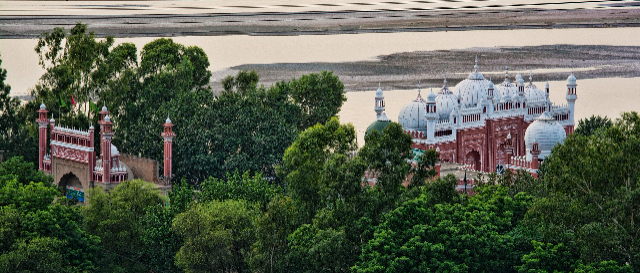
Constructed in a style reminiscent of Mughal architecture, the shrine employs vernacular building techniques, combining simplicity with architectural elegance. Despite its understated design, the tomb is quite impressive, with a stately presence that reflects the saint's esteemed status in the community.

The construction of Shah Burhan’s vault was carried out between the years 1061 Hijri and 1064 Hijri, roughly corresponding to the mid-17th century AD. This construction period spanned nearly three years, a testament to the careful attention and craftsmanship invested in the building. Standing about 62 feet tall, the shrine's structure is a marvel of design, featuring skillfully painted and designed walls that capture the essence of its spiritual significance.

The entrance to the vault features a robust door made from wood and iron, signifying the traditional construction methods of the time, while the interior door is solely crafted from wood, adding a touch of warmth and reverence to the sanctum. The windows of the building are artistically fashioned from stone and bricks, enhancing the overall aesthetic appeal and allowing natural light to illuminate the shrine's interior.

The Tomb of Hazrat Peer Shah Burhan Udin is not just a religious site but also a cultural treasure that showcases the rich heritage of Chiniot. The combination of spiritual significance and architectural beauty makes it one of the most visited spots in the city, drawing visitors who appreciate the tranquil atmosphere and the deep historical roots of this sacred place.

🗺 AI Trip Planner 2026

Plan your visit to Chiniot

Suggested itinerary near The Tomb of Hazrat Peer Shah Burhan Udin

MAJ+
500.000+ travelers worldwide
  1. 🌅
    Morning
    The Tomb of Hazrat Peer Shah Burhan Udin
    📍 Chiniot
  2. ☀️
    Afternoon
    The Shahi Mosque
    📍 0.4 km · Chiniot
  3. 🌆
    Evening
    The Shrine of Ismail Shah Bukhari
    📍 0.4 km · Chiniot

Buy Unique Travel Experiences

Powered by Viator

See more on Viator.com

Explore nearby · Chiniot

Frequently Asked Questions

The tomb was constructed between 1061 and 1064 Hijri, which corresponds to the mid-17th century AD. The construction took nearly three years, reflecting the careful craftsmanship and attention to detail invested in creating this significant spiritual landmark.
The tomb is located in Mohallah Kamangran in Chiniot, Punjab, Pakistan. It serves as a major spiritual and cultural landmark in the city, attracting numerous pilgrims and visitors seeking blessings and spiritual solace.
The shrine features Mughal-inspired architecture combined with vernacular building techniques, creating a blend of simplicity and elegance. It stands approximately 62 feet tall with skillfully painted and designed walls, stone and brick windows, and traditional wooden and iron doors that reflect 17th-century construction methods.
The tomb is both a religious site and cultural treasure that showcases Chiniot's rich heritage and spiritual significance. Visitors are drawn to its tranquil atmosphere, deep historical roots, and the impressive combination of architectural beauty with spiritual importance.
The shrine features a robust wooden and iron entrance door leading to an interior wooden door that adds warmth and reverence to the sanctum. The artistically fashioned stone and brick windows enhance the aesthetic appeal while allowing natural light to beautifully illuminate the interior of this sacred space.
