
← Back

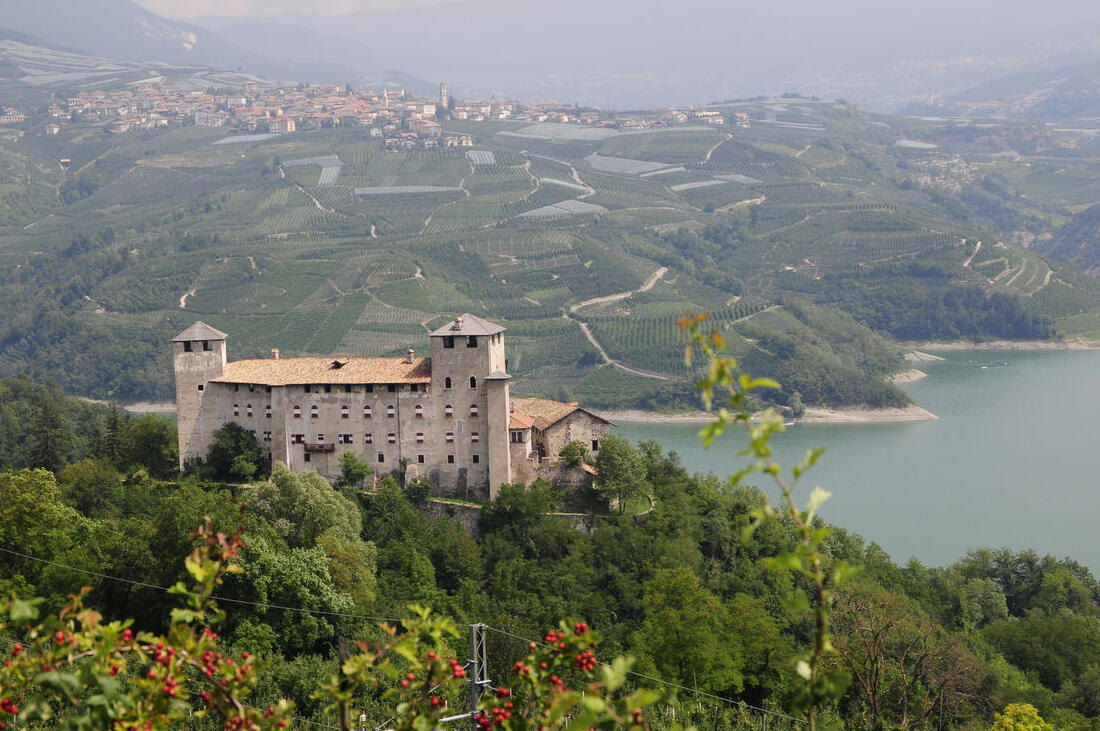
On an isolated hill surrounded by apple orchards, on the shore of the waters of Lake S

Via del Castello, 38023 Cles TN, Italia ★★★★☆ 520 views
Michaela Bovalino
Cles
🏆 AI Trip Planner 2026

Get the free app

Discover the best of Cles with Secret World — the AI trip planner with 1M+ destinations. Get personalized itineraries, hidden gems and local tips. Free on iOS & Android.

🧠 AI Itineraries 🎒 Trip Toolkit 🎮 KnowWhere Game 🎧 Audio Guides 📹 Videos
Download on the App Store Get it on Google Play
Scan to download Scan to download

Palaces, Villas and Castles · Cles

On an isolated hill surrounded by apple orchards, on the shore of the waters of Lake S - Cles | Secret World Trip Planner

On an isolated hill surrounded by apple orchards, on the shore of the waters of Lake St. Justina, a few meters from the capital of the valley, stands the majestic Castel Cles. The first evidence of its history dates back to the 12th century. The most illustrious member of the Cles family, Prince-Bishop Bernardo Clesio, was responsible for the enrichment and development of the building in the Renaissance style. Over the centuries, Cles Castle was hit by numerous disasters that seriously damaged it: the Peasants' Revolt in the 16th century and the fire of 1825 that destroyed part of the decorations on the second floor and forced the Barons of Cles to knock down one of the three towers that enclosed the entire complex. The original nucleus consisted of the ancient tower: according to the typical system of medieval fortifications in Trentino, the residential buildings overlooked the inner courtyard and were surrounded by a second set of walls. On the whole, the complex was enclosed by three towers: today only two remain to mark the boundary of the residential area. The frescoed bands with allegorical scenes and heraldic motifs on the façade are punctuated by arches, architraved windows and arched embrasures that have a decorative effect. The interiors of the castle are particularly precious; the rooms are decorated with 16th century frescoes representing heraldic motifs and allegorical scenes attributed to the artist Marcello Fogolino; the central hall, the Hall of Ovid's Metamorphoses, is instead embellished with an elegant coffered ceiling.

🗺 AI Trip Planner

Plan your visit to Cles

Suggested itinerary near On an isolated hill surrounded by apple orchards, on the shore of the waters of Lake S

MAJ+
500.000+ travelers worldwide
  1. 🌅
    Morning
    On an isolated hill surrounded by apple orchards, on the shore of the waters of Lake S
    📍 Cles
  2. ☀️
    Afternoon
    Lake of Santa Giustina
    📍 0.7 km · Cles
  3. 🌆
    Evening
    The Rhaetian Museum is located in Casalini di Sanzeno, an area of great importance for the ar
    📍 3 km · Cles

Buy Unique Travel Experiences

Powered by Viator

See more on Viator.com

Explore nearby · Cles

Frequently Asked Questions

Castel Cles dates back to the 12th century, but its most significant development occurred under Prince-Bishop Bernardo Clesio during the Renaissance, who enriched and expanded the building in Renaissance style. The castle has survived numerous historical disasters including the 16th-century Peasants' Revolt and a devastating fire in 1825 that destroyed decorations and forced the removal of one of its three towers.
Castel Cles stands majestically on an isolated hill surrounded by apple orchards, directly on the shore of Lake St. Justina, just a few meters from the valley's capital. Its strategic hilltop location offers scenic views of both the lake and the picturesque orchard landscape surrounding it.
The castle features original medieval fortifications with residential buildings overlooking an inner courtyard, surrounded by two remaining towers that mark the residential area's boundary. The interiors showcase stunning 16th-century frescoes by artist Marcello Fogolino depicting heraldic motifs and allegorical scenes, while the Hall of Ovid's Metamorphoses is distinguished by an elegant coffered ceiling.
The castle's façade is beautifully decorated with frescoed bands featuring allegorical scenes and heraldic motifs, punctuated by arches, architraved windows, and arched embrasures with decorative effects. These Renaissance architectural elements combine to create a visually striking exterior that reflects the castle's historical significance and artistic development.
The fire of 1825 was one of the most damaging disasters in the castle's history, destroying part of the decorations on the second floor and forcing the Barons of Cles to demolish one of the three towers that originally enclosed the entire complex. Today, only two towers remain to define the boundaries of the residential area.
