

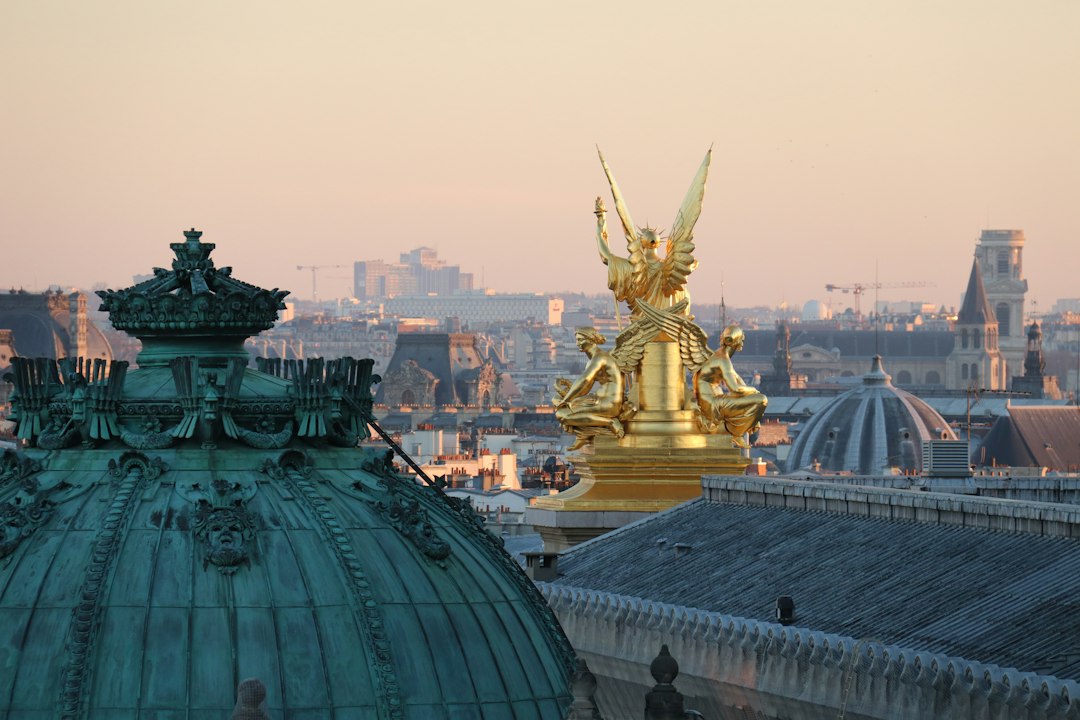
When Charles Garnier presented the project for the new opera house in Paris in 1861, no one would have imagined that the construction would last fourteen years. The building finally opened its doors in January 1875, after a troubled construction interrupted by the Franco-Prussian War and the Paris Commune. Garnier, then an almost unknown architect who had unexpectedly won the competition, created something that went far beyond a simple theater: a manifesto of the Second Empire in stone, gold, and velvet.
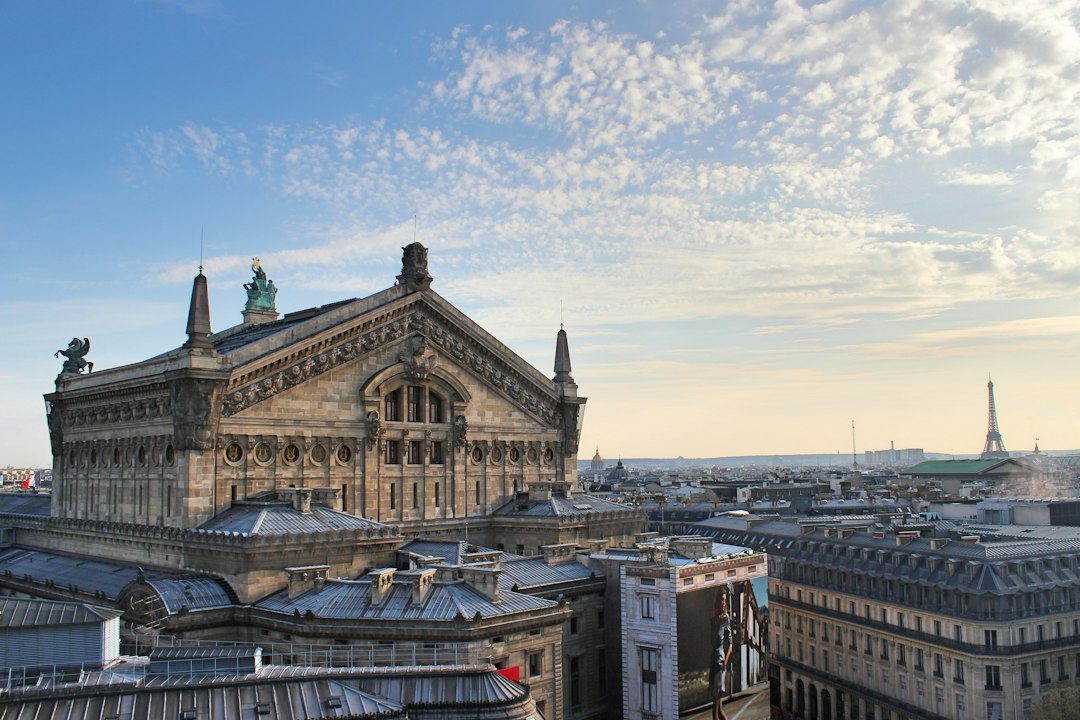
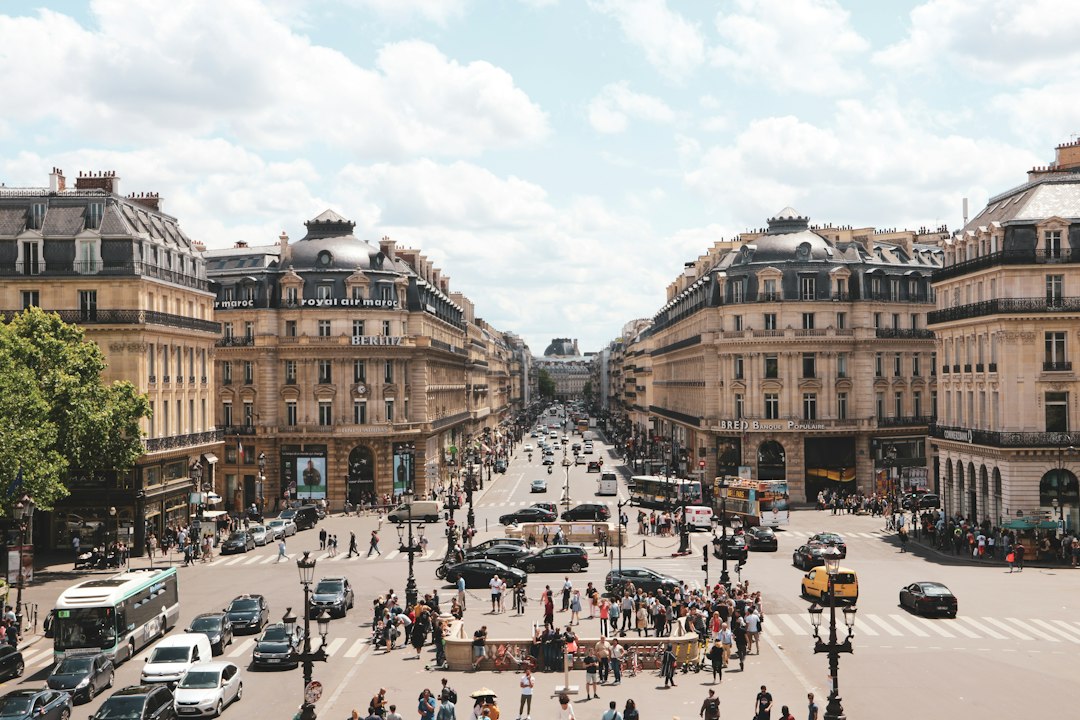
The Opéra Garnier is not only the place that inspired Gaston Leroux to write The Phantom of the Opera in 1910. It is a building that is visited like a museum, because every surface tells a story: the mosaics of the façade, the busts of composers set in the niches, the overlapping boxes that recall a Roman palace. The main façade on Place de l'Opéra measures about 170 meters in width, and even from the outside, the scale of the building takes your breath away.
The Grand Staircase and the foyers: architecture as spectacle
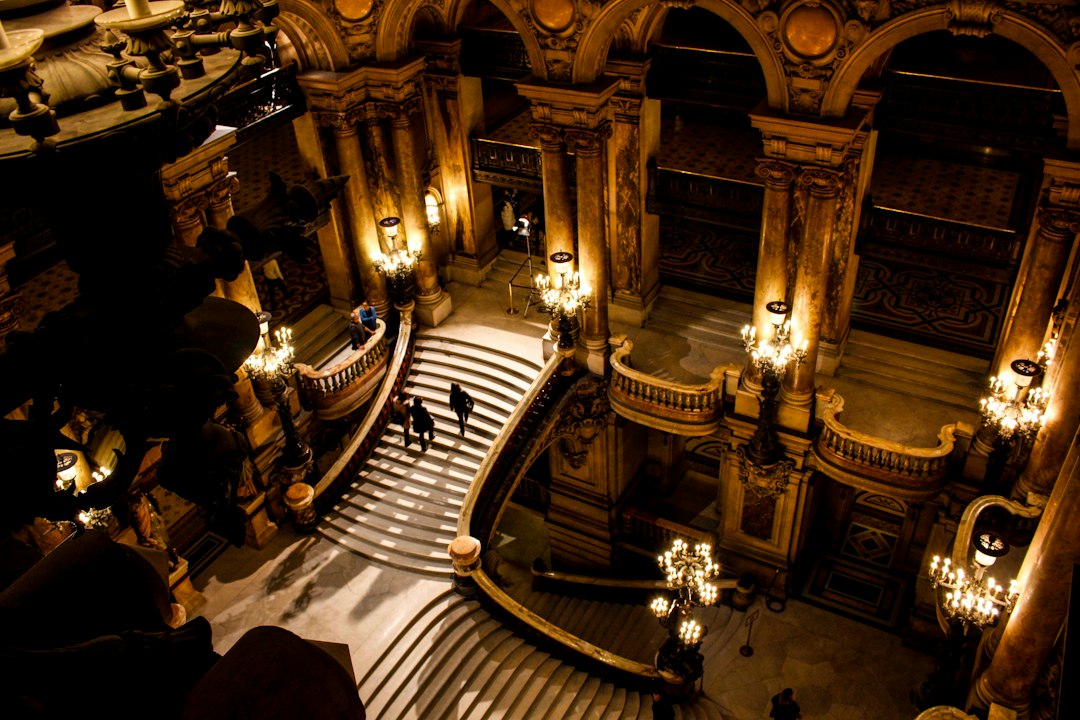
Entering the Opéra Garnier means ascending the Grand Staircase, the monumental staircase made of white Carrara marble that separates the audience from the spectators in the upper boxes. Garnier designed it not as a transit corridor, but as a stage where the public shows itself to the public. The golden lamps, the balustrades, the statues holding the candelabras: everything is calculated to create a theatrical effect even before entering the hall.
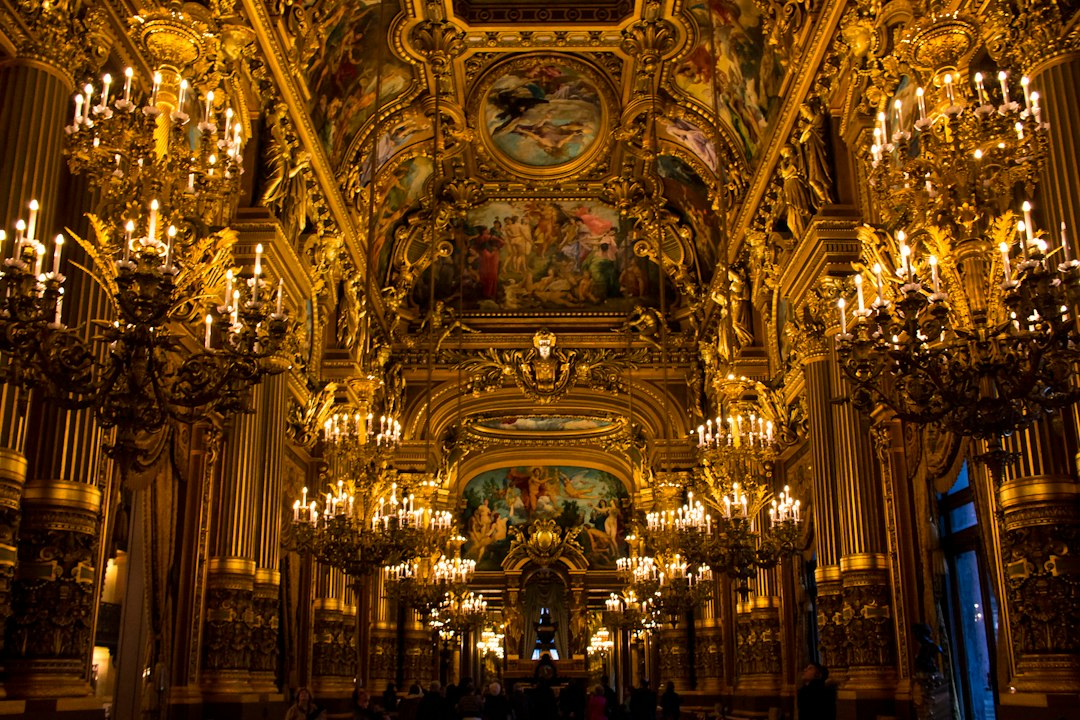
The side foyers continue in the same vein. The Grand Foyer, about 54 meters long, is decorated with mirrors, gilding, and allegorical paintings on the ceiling. The windows overlooking the Haussmann boulevard allow one to see Paris from the inside, transforming even the break between acts into a scenic moment. Many visitors linger here longer than expected, as every corner reveals a detail that was missed at first glance.
The room and ceiling of Chagall
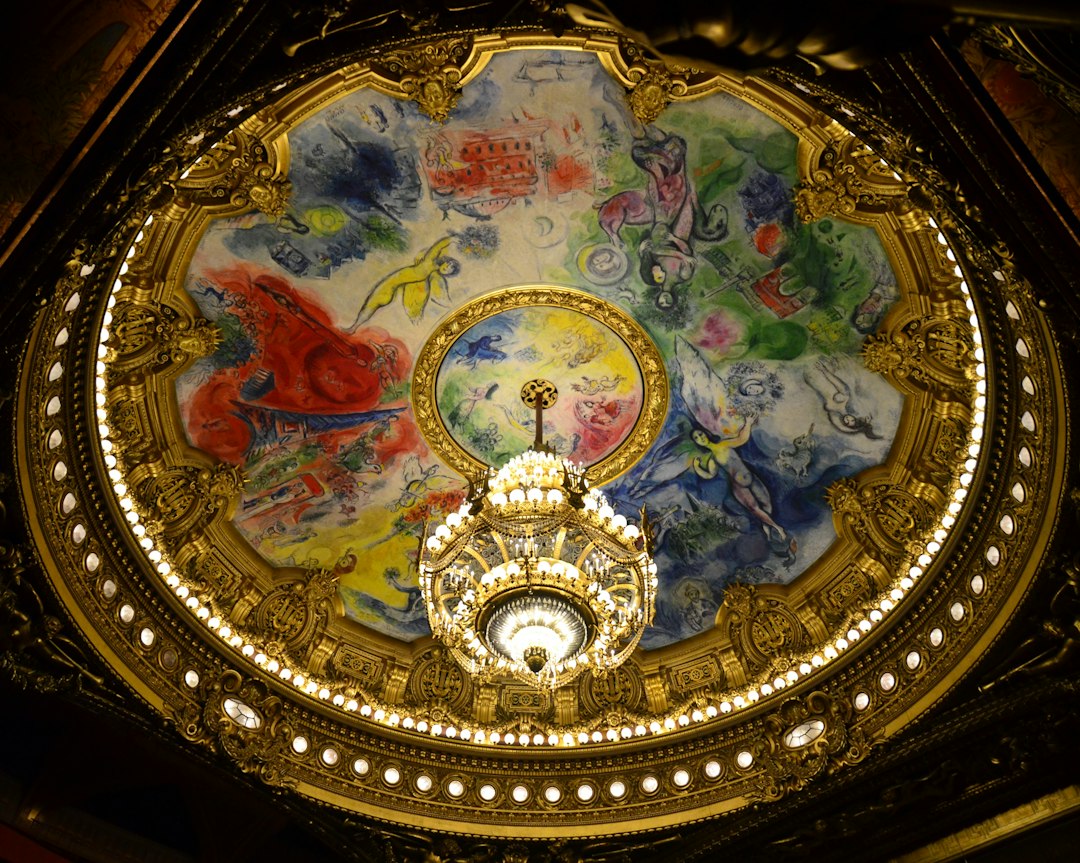
The main room, with its nearly 2,000 seats, retains the original atmosphere of the 19th century: red velvet, golden boxes arranged in a horseshoe shape, the large crystal chandelier weighing about six tons. But the element that surprises visitors the most is the ceiling, repainted in 1964 by Marc Chagall at the request of the Minister of Culture André Malraux. The colorful panels, with their floating figures inspired by works of Mozart, Verdi, Berlioz, and Debussy, deliberately contrast with the eclectic architecture of Garnier and divided the critics of the time.
The result is visually powerful: Chagall's blues, greens, and yellows seem to float above the chandelier, like a sky painted from a dream. Looking up at that ceiling is one of the most memorable moments of the visit, and it is worth the price of the ticket by itself. To see it well, it is advisable to bring a small theater binocular, which helps to distinguish the details of the individual scenes.
The Underground Lake and the Legend of the Ghost
Below the building, there really is a water table, intercepted during the construction work. Garnier had a containment basin built that still regulates the humidity of the foundations today. This presence of underground water became the basis for the legend of the Ghost's lake, and Leroux used it directly in the novel. The basin is not open to the public, but its existence is documented, and the theater technicians still use it today for practical purposes, including breeding fish that serve as indicators of water quality.
During the guided tour, some areas normally closed to the public are opened: the backstage corridors, the rehearsal rooms, the costume archives. These areas show the theater as a functioning machine, not just as a monument, and completely change the perception of the building.
Practical Information for the Visit
The Opéra Garnier is open to the public for self-guided visits almost every day, with hours varying based on the performance schedule: on days with rehearsals or afternoon performances, access may be partially limited. The entrance ticket for the palace visit is around 14 euros for adults, with discounts for those under 26 and free admission for children under 12. The nearest subway station is Opéra, served by lines 3, 7, and 8.
The best time to visit is early in the morning, just after opening, when organized groups have not yet filled the Grand Escalier. A complete self-guided visit takes about an hour and a half, but those who want to explore each room in depth can easily take two hours. It is advisable to check the official website before going to verify any partial closures related to evening performances.


