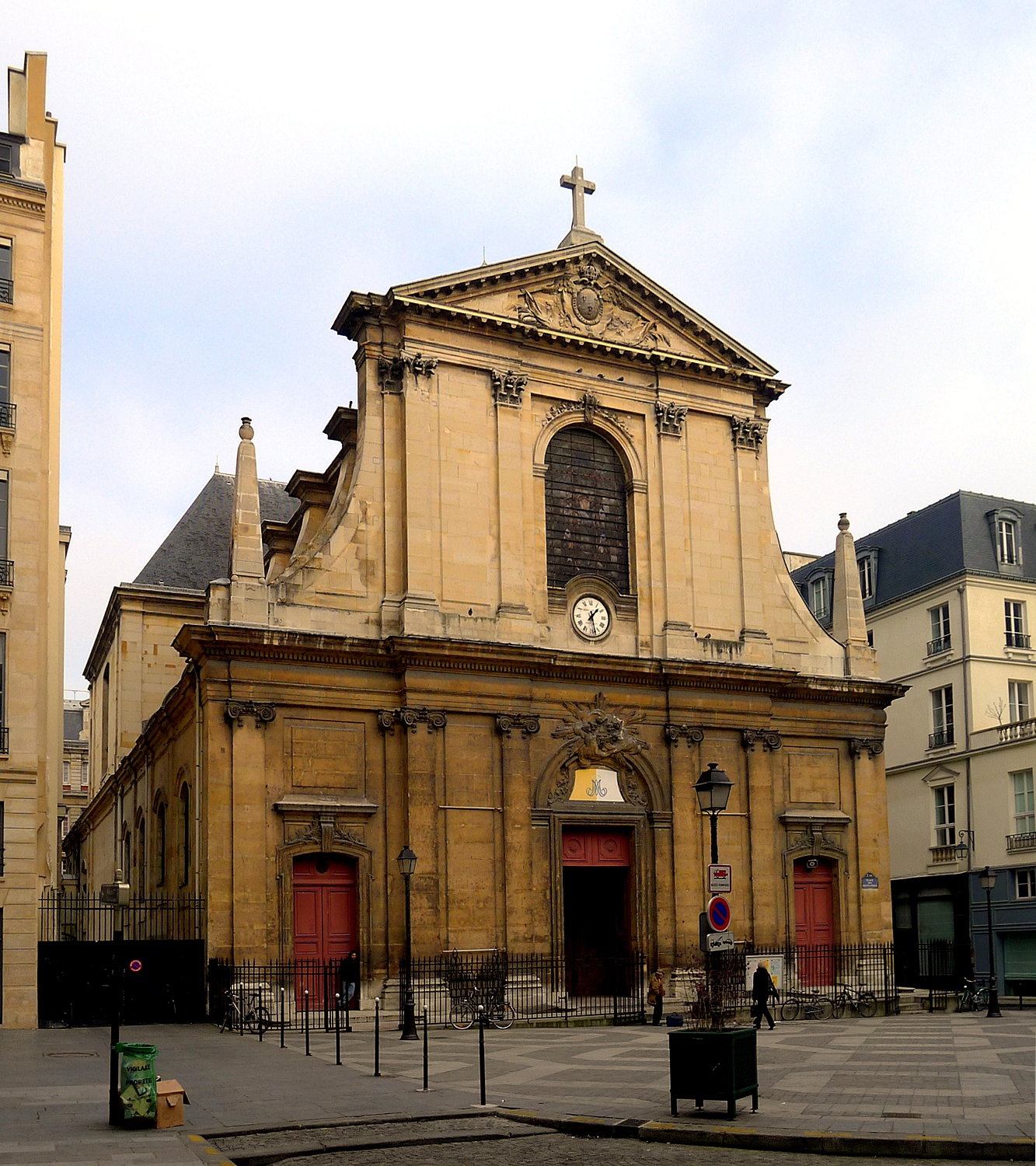
In the heart of Paris, just a stone’s throw from the bustling Place des Victoires, lies the Notre-Dame des Victoires, a church steeped in history and spiritual significance. This serene edifice, often overshadowed by its more famous counterparts, tells a story of resilience, artistry, and the ever-evolving tapestry of Parisian life.
### History and Origins
The Notre-Dame des Victoires was founded in the early 17th century, with the first stone laid in 1629 by Cardinal Richelieu, the chief minister to King Louis XIII. Initially intended as a chapel for a convent of Augustinian nuns, its construction was slow and plagued by various interruptions, with the building finally completed in 1740. The church was formally consecrated in 1746, but its significance grew significantly during the French Revolution when it was repurposed and later rededicated in 1802.
A key event in the church's history was the miraculous apparitions of the Virgin Mary reported by a nun in the 19th century, which prompted a surge in pilgrimages and devotion. This phenomenon transformed the church into a major pilgrimage site, particularly for those seeking healing and solace. In 1859, the convent was demolished, allowing the church to stand alone, a testament to the enduring spirit of faith in a city that has witnessed profound change.
### Art and Architecture
The architectural style of Notre-Dame des Victoires is a blend of Baroque and Classical influences, characterized by its grand façade and intricate interiors. Designed by Pierre Le Muet, the church features a striking portico supported by Corinthian columns, leading to a spacious nave adorned with beautiful chapels.
Inside, the church is a treasure trove of art. Notable works include the high altar, which is a masterclass in Baroque artistry, and the stained glass windows that bathe the interior in a kaleidoscope of colors. The statues of saints, particularly St. Joseph and St. Anne, are intricately carved, reflecting the devotion of the faithful. The ceiling paintings, executed by prominent artists of the time, depict various biblical scenes, enveloping visitors in a celestial atmosphere.
### Local Culture and Traditions
The Notre-Dame des Victoires is not just an architectural marvel; it is a living part of the Parisian cultural landscape. The church is often the site of religious festivals, especially during Easter and Christmas, which draw crowds of both locals and tourists. The tradition of lighting candles for prayers has remained a significant aspect of worship, creating a warm, glowing ambiance that speaks to the spiritual connection many feel here.
One unique tradition is the Feast of the Visitation, celebrated on May 31. This day commemorates the visit of the Virgin Mary to her cousin Elizabeth and is marked by special services and processions. These events provide a glimpse into the rich tapestry of French religious customs that are deeply intertwined with the nation's identity.
### Gastronomy
No visit to Paris is complete without indulging in its culinary delights. The area surrounding Notre-Dame des Victoires is filled with charming bistros and cafés offering quintessential French cuisine. Try the classic Croque Monsieur, a delectable ham and cheese sandwich, or savor a warm Pain au Chocolat with your morning coffee.
For a unique local experience, visit one of the nearby pâtisseries to sample Tarte Tatin, a caramelized upside-down apple tart that is a favorite among Parisians. Pairing these treats with a glass of Cider or a refreshing Pastis will immerse you further into the local culinary culture.
### Lesser-Known Curiosities
While many tourists flock to more famous landmarks, Notre-Dame des Victoires holds its own collection of lesser-known curiosities. For instance, the church was once home to a mysterious relic believed to be a piece of the True Cross, drawing pilgrims seeking miracles.
Another hidden gem is the crypt beneath the church, which holds artifacts and remnants from its storied past. It provides an intriguing glimpse into the architectural evolution of the site over the centuries. Additionally, look closely at the ex-voto plaques hung throughout the church; many tell personal stories of gratitude from individuals who claim to have experienced miraculous healings.
### Practical Visitor Information
The best time to visit Notre-Dame des Victoires is during the weekdays when the crowds are thinner, allowing for a more intimate experience. The church is open to visitors, and attending a service can enhance your understanding of its cultural significance.
When visiting, be sure to bring your camera to capture the stunning details of the façade and interiors. Don’t forget to check the church's schedule for any special events or concerts, which often feature classical music that resonates beautifully within the sacred space.
While in the area, take a moment to stroll around Place des Victoires, a historic square that adds to the charm of this vibrant neighborhood. Here, you can soak in the local atmosphere and perhaps enjoy a delightful meal or coffee at one of the nearby cafés.
As you explore the layers of history and culture that Notre-Dame des Victoires offers, consider using the Secret World app for personalized suggestions to enhance your visit to Paris.
