

In the heart of Paris, where history whispers through grand boulevards and elegant facades, lies a treasure trove of knowledge and culture: the National Library of France (Bibliothèque nationale de France, or BnF). With roots tracing back to 1368 during the reign of Charles V, this institution is a cornerstone of French intellectual heritage. It began when Charles V, known as Charles the Wise, assembled a modest collection of manuscripts, laying the foundation for what would become one of the world's most prestigious libraries.

Over the centuries, the library has evolved dramatically. From a royal collection housed in the Louvre, it morphed into a public institution after the French Revolution. Today, the BnF is spread across multiple sites, each with its own distinct character and charm. Among these, the Richelieu Library stands out not only for its historical significance but also for its architectural splendor. This building, completed in the 19th century, is home to the library's Special Collections, a veritable Aladdin's cave of rare manuscripts, maps, and artifacts.
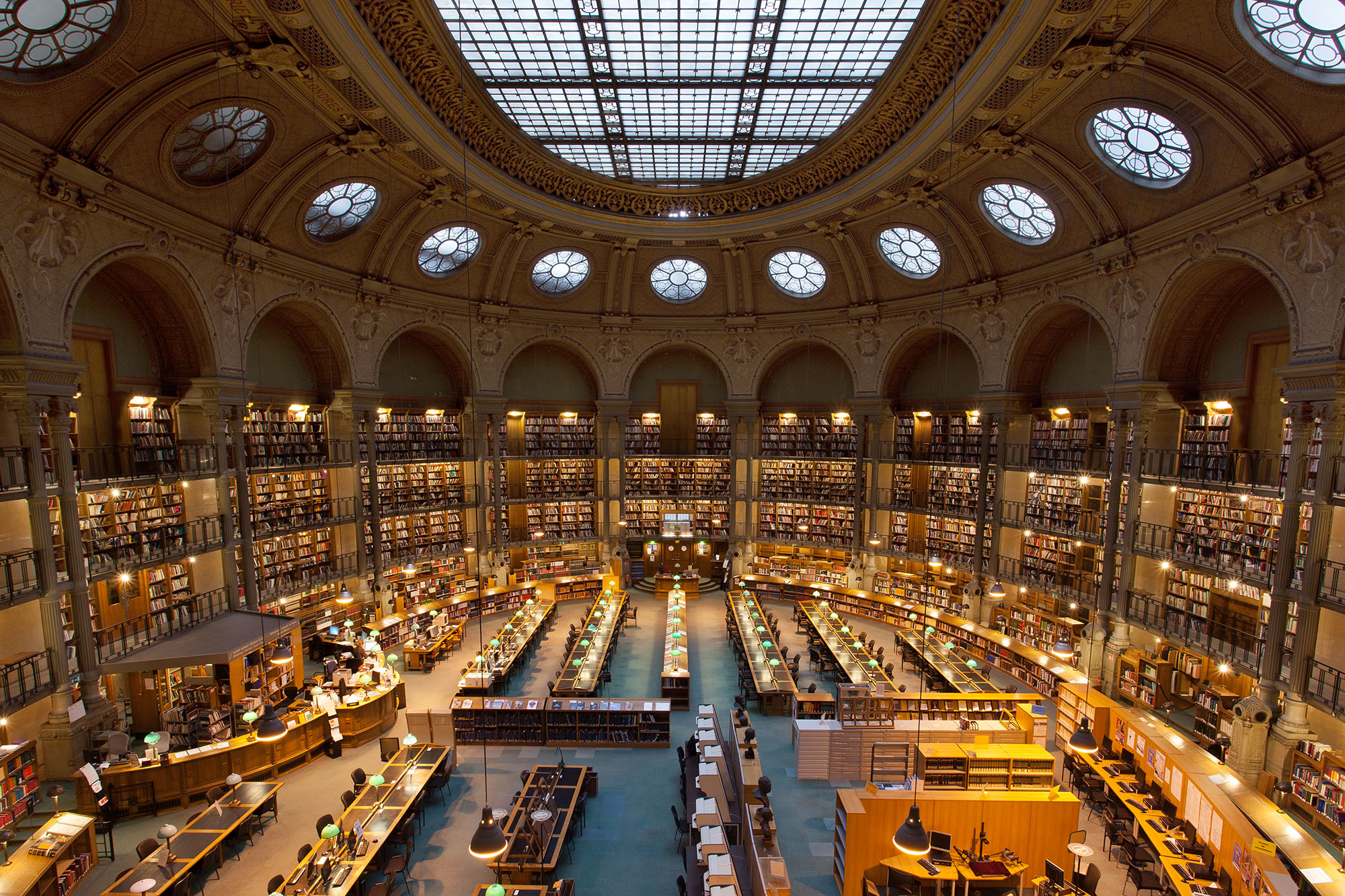
The architecture of the Richelieu site is a testament to France's artistic grandeur. Its most striking feature is the Salle Labrouste, a reading room that marries functionality with beauty. The room is named after Henri Labrouste, the visionary architect who designed it in the mid-1800s. With its cast-iron columns, grand arches, and a ceiling adorned with a series of glass oculi, the Salle Labrouste creates an ethereal environment that inspires scholars and visitors alike. This room, drenched in natural light, is a perfect example of how architecture can elevate the experience of learning and research.
Beyond its walls, the National Library plays a vital role in the cultural life of Paris. The library regularly hosts exhibitions, lectures, and events that draw on its vast collections. These events provide a unique opportunity for locals and tourists to engage deeply with French history and culture. The library's commitment to preserving and promoting culture is further highlighted during the European Heritage Days (Journées européennes du patrimoine), when the public can explore normally inaccessible areas of the library.
A visit to the Library wouldn't be complete without indulging in the local gastronomy. While the library itself doesn’t offer dining options, the surrounding area is rich in culinary delights. Nearby, you can find cozy Parisian cafés serving classic dishes like croque-monsieur and ratatouille. Don't miss trying a pain au chocolat or a macaroon from a local patisserie—sweet treats that perfectly complement a day of cultural exploration.
For those looking to uncover the library's lesser-known facets, consider the story of the Cabinet des Médailles, one of the oldest parts of the collection. This numismatic collection includes the Great Cameo of France, an intricate Roman gem carving that is among the world's largest. Alongside this, the library's collection of globes, including the monumental Coronelli Globes commissioned by Louis XIV, offers a fascinating glimpse into historical understandings of geography.
When planning a visit, the best time is during the weekdays when the library is less crowded, allowing for a more intimate experience. It's advisable to check the library's schedule for any temporary exhibitions or events. While the library itself is a marvel, don’t rush through it; take the time to sit in the Salle Labrouste and soak up the atmosphere. Photography is usually restricted, so bring a notebook to jot down your thoughts and impressions.
In conclusion, the National Library of France is much more than a repository of books; it's a living museum of art, history, and culture. Whether you're a history buff, a lover of architecture, or simply curious, a visit to the BnF promises to enrich your understanding of France and its enduring legacy.


