
← Back

Ottoman Bird Palaces

Aziz Mahmut Hüdayi, Mehmet Paşa Değirmeni Sokaği No:10, 34672 Üsküdar/İstanbul, Turchia ★★★★☆ 202 views
Michela Brambilla
Mehmet Paşa Değirmeni Sokaği No:10
🏆 AI Trip Planner 2026

Get the free app

Discover the best of Mehmet Paşa Değirmeni Sokaği No:10 with Secret World — the AI trip planner with 1M+ destinations. Get personalized itineraries, hidden gems and local tips. Free on iOS & Android.

🧠 AI Itineraries 🎒 Trip Toolkit 🎮 KnowWhere Game 🎧 Audio Guides 📹 Videos
Scan to download iOS / Android
Scan for AppGallery Huawei users

About Ottoman Bird Palaces

Ottoman Bird Palaces - Mehmet Paşa Değirmeni Sokaği No:10 | Secret World Trip Planner

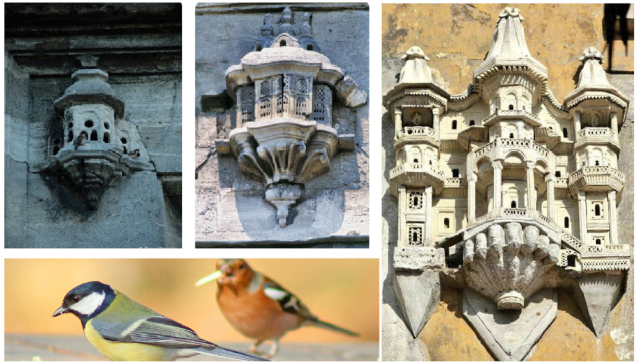
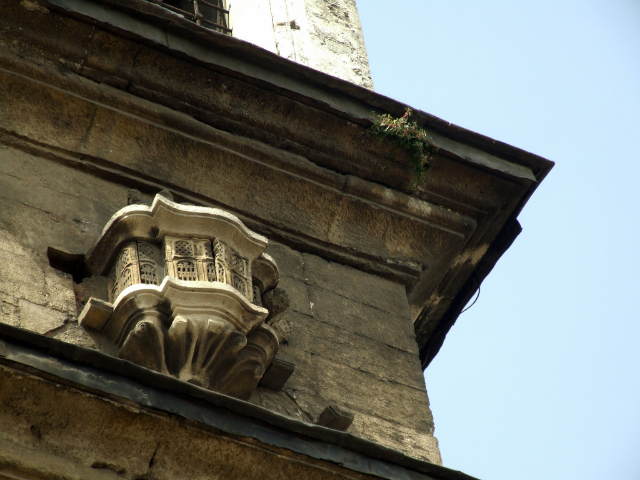
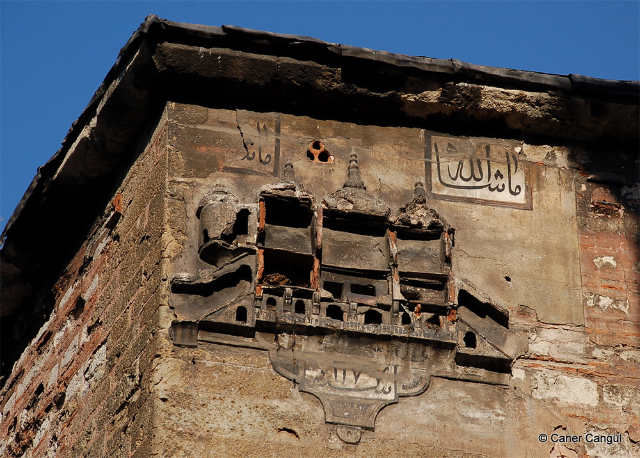
The "Ottoman Bird Palaces" are a series of extraordinary architectural structures found in Istanbul, Turkey. These palaces, also known as "Kuş Köşkü" in Turkish, were built during the Ottoman era to house and feed wild birds.During the period of the Ottoman Empire, the Ottomans had a great love and respect for nature and animals, including birds. In order to protect and encourage the presence of birds in the land, these specially designed palaces were built to accommodate a wide variety of avian species.Ottoman Bird Palaces were usually built on columns or poles, and featured a series of niches and cavities designed to serve as nests and resting places for the birds. These architectural structures, decorated with fine ceramics and ornamental motifs, were often placed in strategic locations such as gardens, parks and mosque courtyards.Birds were considered symbols of beauty and freedom, and the presence of Bird Palaces was a way to honor nature and create a harmonious environment between humans and animals.Today, although many of the original Ottoman Bird Palaces have been lost over the centuries, some examples still survive in various places in Istanbul. These structures have become not only historical reminders of the Ottoman era, but also habitats for birds and places of interest for visitors wishing to explore Istanbul's rich history and culture.Ottoman Bird Palaces are another fascinating example of the marriage of nature, art, and architecture in the Ottoman Empire and offer a unique opportunity to appreciate the beauty of avian life and the cultural richness of Istanbul.
Ottoman Bird Palaces - Mehmet Paşa Değirmeni Sokaği No:10 | Secret World Trip Planner
🗺 AI Trip Planner

Plan your visit to Mehmet Paşa Değirmeni Sokaği No:10

Suggested itinerary near Ottoman Bird Palaces

MAJ+
500.000+ travelers worldwide
  1. 🌅
    Morning
    Ottoman Bird Palaces
    📍 Mehmet Paşa Değirmeni Sokaği No:10
  2. ☀️
    Afternoon
    Dolmabahce Palace, Turkey
    📍 2 km · Mehmet Paşa Değirmeni Sokaği No:10
  3. 🌆
    Evening
    Atatürk's House
    📍 2.3 km · Mehmet Paşa Değirmeni Sokaği No:10

Buy Unique Travel Experiences

Powered by Viator

See more on Viator.com

Explore nearby · Mehmet Paşa Değirmeni Sokaği No:10

Frequently Asked Questions

Ottoman Bird Palaces, known as 'Kuş Köşkü' in Turkish, are architectural structures built during the Ottoman Empire to house and feed wild birds. The Ottomans constructed these specially designed palaces to protect and encourage the presence of birds, reflecting their great love and respect for nature and animals.
While many original Ottoman Bird Palaces have been lost over centuries, some surviving examples can still be found in various locations throughout Istanbul, particularly in gardens, parks, and mosque courtyards. These structures have become historical landmarks and bird habitats that visitors can explore as part of Istanbul's cultural heritage.
Ottoman Bird Palaces were typically built on columns or poles and featured a series of niches and cavities designed to serve as nests and resting places for birds. These architectural structures were decorated with fine ceramics and ornamental motifs, showcasing the Ottoman commitment to combining functional design with artistic beauty.
Ottoman Bird Palaces represent the marriage of nature, art, and architecture during the Ottoman era, reflecting the empire's philosophy of creating harmony between humans and animals. Birds were considered symbols of beauty and freedom, and these palaces were built to honor nature and demonstrate the cultural richness of Ottoman civilization.
Yes, the surviving Ottoman Bird Palaces continue to serve as active habitats for birds in Istanbul today. Beyond their historical importance as reminders of the Ottoman era, these structures remain places of ecological interest and cultural significance for visitors exploring Istanbul's rich architectural and natural heritage.