



You can't wander the vibrant streets of Palermo without encountering the irresistible aroma of Pani c'a meusa—a quintessential Sicilian street food that encapsulates the rich culinary heritage of this Mediterranean city. This simple yet hearty dish, made primarily from spleen, lung, and heart, offers a taste of the island's history and culture, serving as a delicious reminder of its past.

History and Origins
The origins of Pani c'a meusa can be traced back to the 9th century during the Arab rule of Sicily. The Arabs introduced a variety of culinary techniques and flavors that would influence Sicilian cooking for centuries. This dish, however, became particularly popular among the working-class folk in Palermo, who made use of the less desirable parts of the animal, transforming them into a delicacy. It is said that the first vendors of this dish operated near the Vucciria Market, a bustling hub of trade and social interaction, where the aroma of slow-cooked meats wafted through the narrow, winding streets.
Over time, the dish evolved, incorporating local traditions and ingredients. Today, it is served either schetto (without cheese) or with a sprinkling of caciocavallo—a semi-hard cheese native to Southern Italy—cut into strips, or for the purists, with a generous dollop of creamy ricotta, known locally as maritatu.
Art and Architecture
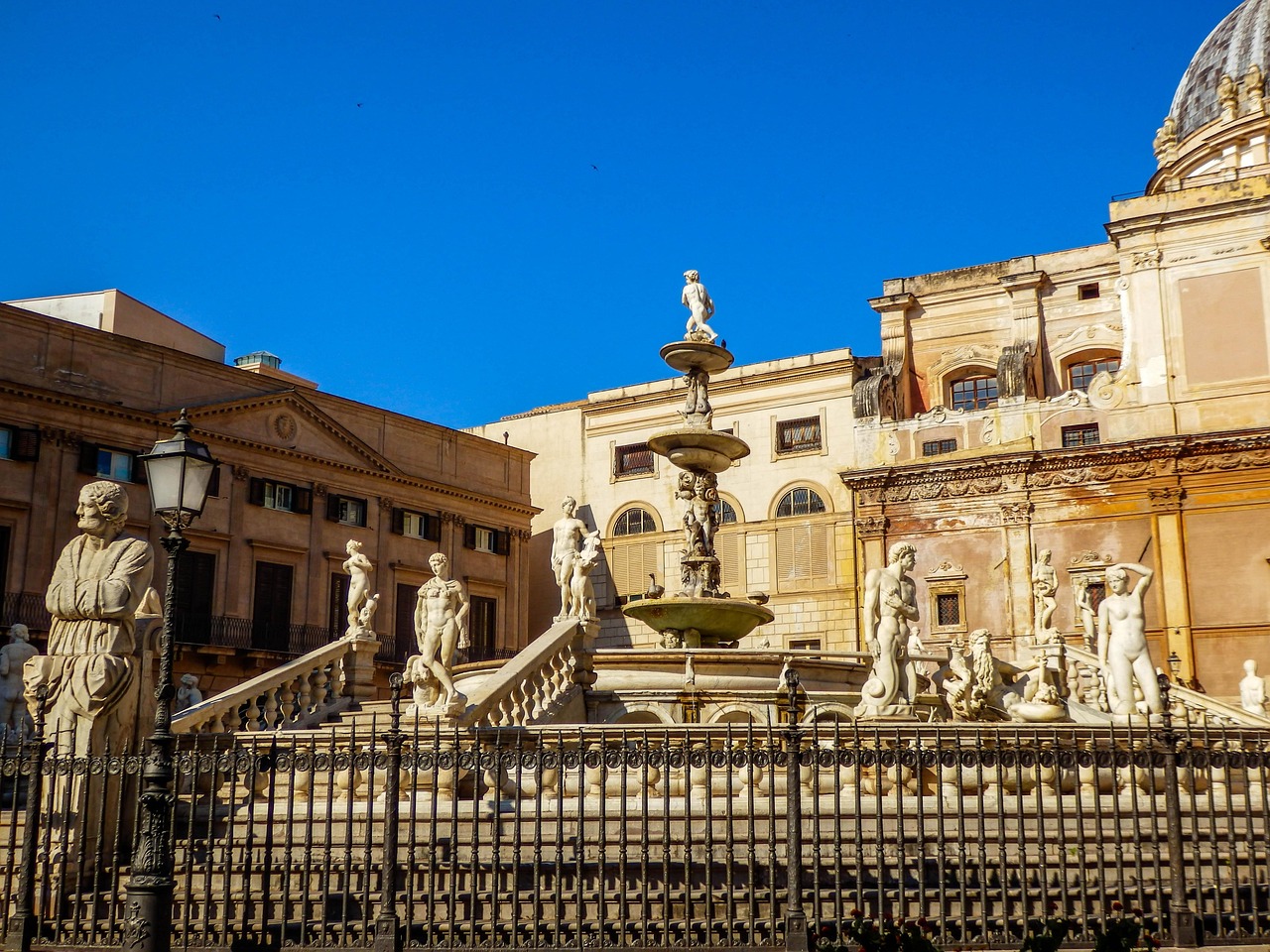
While savoring Pani c'a meusa, take a moment to appreciate the surroundings of Palermo. The city is a tapestry of architectural styles, showcasing its tumultuous history. From the majestic Palermo Cathedral, which combines Norman, Gothic, and Baroque elements, to the ornate Teatro Massimo, Italy's largest opera house, the city reflects a myriad of cultural influences.
Don’t miss the Palazzo dei Normanni, home to the Palatine Chapel adorned with stunning Byzantine mosaics. These masterpieces, along with the intricate Quattro Canti square, highlight Palermo's artistic significance and its narrative of cultural amalgamation.
Local Culture and Traditions
The spirit of Palermo is best experienced through its vibrant local customs. Festivals like La Festa di Santa Rosalia—celebrated every July—bring the streets to life with processions, music, and fireworks, honoring the city's patron saint. The festival not only showcases the strong religious ties of the locals but also serves as a gathering for the community, celebrating their resilience and unity.
Every Sunday, families gather at local markets, sharing stories and laughter over plates of food. These gatherings are a testament to the Sicilian tradition of hospitality, where sharing a meal is a way to connect and celebrate life.
Gastronomy
Beyond Pani c'a meusa, Palermo offers a rich tapestry of gastronomic delights. Don’t miss arancini (fried rice balls filled with meat or cheese), cannoli (crispy pastry tubes filled with sweet ricotta), and sfincione, a thick, savory focaccia topped with tomatoes, onions, and cheese. Sicilian cuisine is known for its bold flavors, often incorporating fresh seafood, citrus, and local herbs.
Pair your meal with a glass of Marsala, a fortified wine that hails from the nearby town of the same name. This sweet wine is a perfect accompaniment to many local dishes, offering a taste of Sicily in every sip.
Lesser-Known Curiosities
For those looking to uncover the hidden gems of Palermo, venture beyond the popular tourist spots. Did you know that the Capuchin Catacombs house thousands of preserved mummies, offering a macabre but fascinating glimpse into the past? Or that the city is home to the Cappella Palatina, a chapel that features one of the most stunning examples of Arabic-Norman art in the world?
Also, look out for the quirky Vucciria Market after dark, where young locals gather to enjoy street food and music, transforming the market into a lively social scene.
Practical Visitor Information
The best time to explore Palermo is during the spring (April to June) and fall (September to October) when the weather is mild, and the city isn’t overcrowded. Bring comfortable shoes to navigate the cobbled streets, and don’t hesitate to stop by local bakeries and markets to taste authentic Sicilian fare.
When ordering Pani c'a meusa, be sure to ask the vendor about the different styles of preparation. It's a delightful way to engage with the local culture and learn more about the dish's significance.
As you stroll through the enchanting streets of this historic city, let the flavors and stories of Palermo envelop you. For a tailored experience that meets your personal interests, consider planning your visit with the Secret World app to discover the best of Palermo.
