



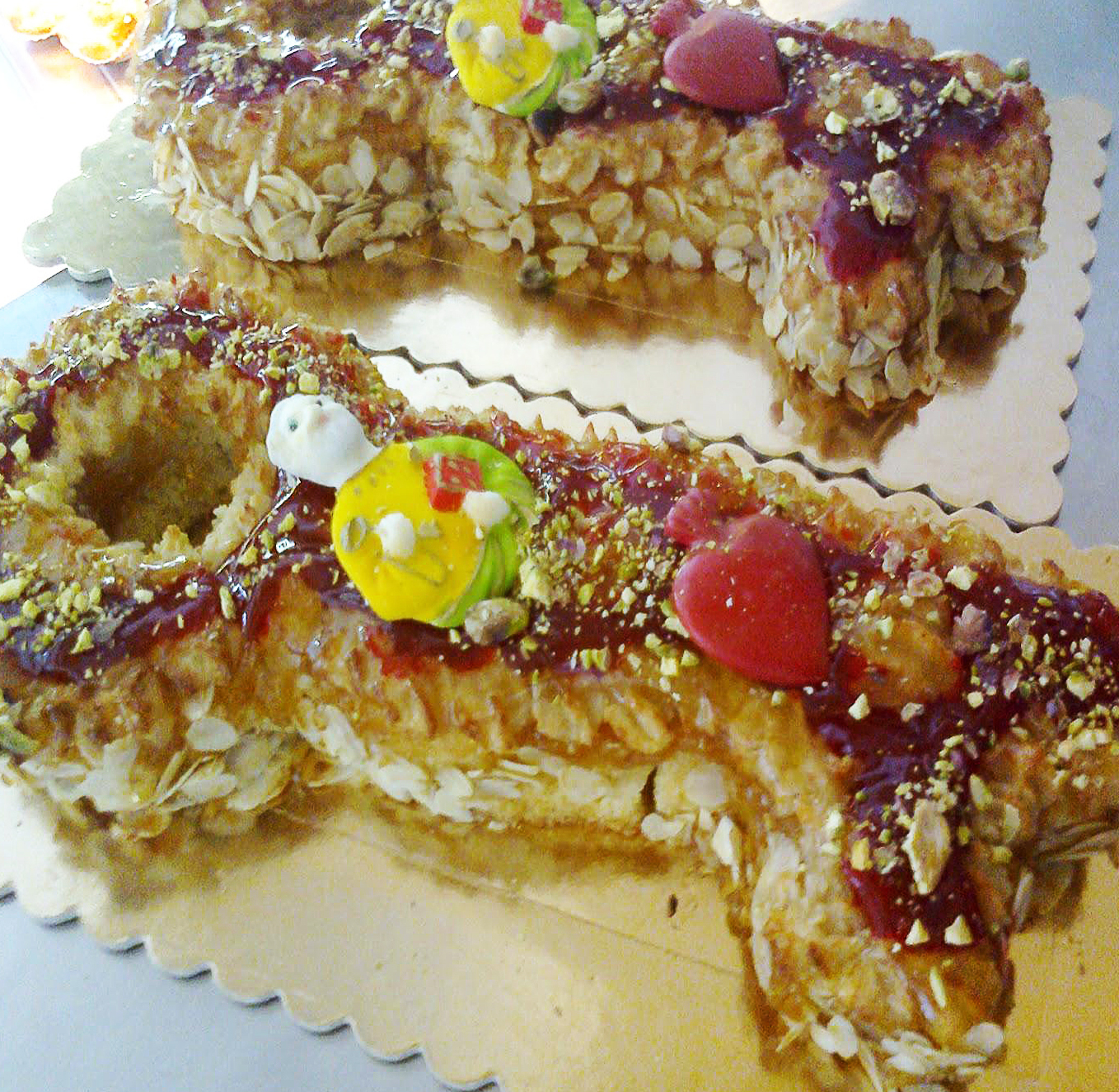
In the heart of Palermo, a vibrant capital of Sicily, the chiavi di San Pietro or St. Peter's Keys are more than just a seasonal delicacy; they are a delicious embodiment of the island's rich history and culture. Celebrated on June 29th for the feast of Saints Peter and Paul, these traditional sweets come in the shape of keys and are intricately linked to the city's religious and culinary heritage. Their origins date back centuries, reflecting the fusion of Christian traditions and Sicilian craftsmanship.

The story of the chiavi di San Pietro begins with the establishment of Palermo itself, a city founded by the Phoenicians in the 8th century BCE. Over the centuries, it flourished under various rulers, including the Romans, Arabs, and Normans, each contributing to its rich cultural tapestry. The feast of Saints Peter and Paul has been celebrated since the early days of Christianity, and the tradition of baking sweets shaped like keys likely emerged as a way to commemorate the apostles, who are often depicted with keys symbolizing their role in the Kingdom of Heaven.
Architecturally, Palermo is a treasure trove of styles ranging from Arab-Norman to Baroque. The Palermo Cathedral, with its stunning mix of architectural influences, stands as a testament to the city’s dynamic history. Not far from the cathedral, the Palazzo dei Normanni showcases exquisite mosaics that reflect the artistic significance of the Arab-Norman period. The artistic community in Palermo is equally vibrant, with contemporary artisans and bakers continuing the legacy of their ancestors by creating innovative iterations of traditional sweets like the chiavi di San Pietro.

As the feast day approaches, pastry shops across Palermo come alive with colorful displays of these key-shaped confections. The chiavi di San Pietro are typically made from a mixture of honeydew paste, toasted almonds, and cinnamon, creating a delightful treat that is both rich in flavor and steeped in custom. The excitement surrounding the feast extends beyond just the sweets; locals partake in various festivities, including processions and religious ceremonies, which highlight the cultural importance of the event.
One lesser-known curiosity about the chiavi di San Pietro lies in their symbolism. The keys represent not only the apostles but also the welcoming spirit of the Palermitan community. During the feast, it's common for families to share these sweets with friends and neighbors, fostering a sense of unity and togetherness. This ritual underscores the communal nature of Sicilian culture, where food plays a pivotal role in social interactions.
For those looking to immerse themselves in this unique tradition, the best time to visit Palermo is during late June when the preparations for the feast are in full swing. Visitors can explore local markets, where vendors display their colorful creations, and engage with artisans who take pride in their craft. It’s also an excellent opportunity to taste other local delights, such as cannoli, arancini, and granita, each with its own story to tell.
Practical tips for navigating Palermo include learning a few basic Italian phrases, as many locals appreciate the effort. Additionally, taking the time to wander through the narrow streets of the Vucciria or Ballarò markets can unveil hidden gems and local flavors. Be sure to look for the ornate churches and palaces that dot the city, each offering a glimpse into Palermo’s storied past.
Whether you’re indulging in the chiavi di San Pietro or exploring the architectural wonders of Palermo, this city promises a rich tapestry of experiences that resonate with history and community. To truly unlock the treasures of Palermo, consider using the Secret World app to craft a personalized AI itinerary tailored to your interests.
