



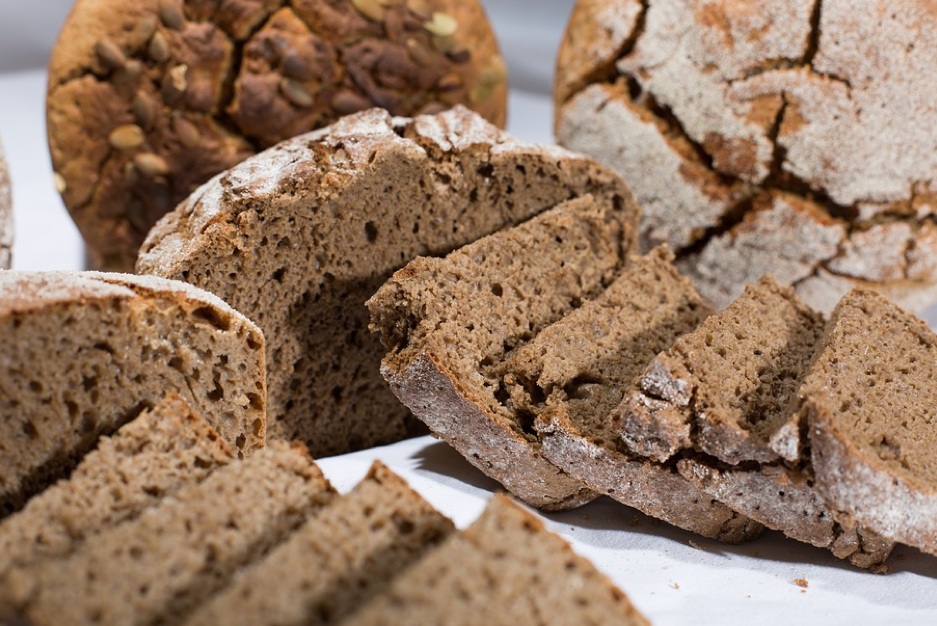
In the heart of the Valle d'Aosta, a region of breathtaking alpine beauty, lies a culinary tradition that whispers tales of ancient customs and community spirit: the baking of Pane Nero Valdostano. This dark bread, with its rich flavors and hearty texture, is more than just sustenance; it is a symbol of the region's heritage, a culinary anchor that connects generations of mountain people.
History and Origins
The origins of Pane Nero can be traced back centuries, deeply rooted in the agricultural practices of the Aosta Valley. Traditionally baked only once or twice a year, this bread was born from necessity—an ideal way to preserve food in a region where winters can be harsh and long. The key ingredients—rye flour, wheat flour, and water—reflect the local resources, while the use of sourdough starter showcases an ancient technique that has stood the test of time.
Over the years, the bread's significance has evolved from a mere survival food to a centerpiece of community gatherings. The local bakers, often women, have passed down their techniques through generations, ensuring that the art of bread-making remains vibrant. Festivals dedicated to Pane Nero have grown in popularity, transforming the act of baking into a communal celebration. Villagers come together to knead dough, tend to the wood-burning ovens, and share stories, reinforcing the bonds that define their identity.
Art and Architecture
The historical ovens where Pane Nero is baked are often charmingly rustic, constructed of stone and clay, reflecting the region's architectural heritage. These ovens, known as forni, are not just functional but also serve as cultural landmarks that speak to the craftsmanship of local artisans.
Inside the villages of Valle d'Aosta, you can find beautifully preserved buildings with wooden beams and intricate carvings that showcase the Walser architecture, a style brought by settlers from the Valais region of Switzerland. Each oven tells its own story, encapsulating the essence of the community's culinary history. Visiting these sites offers a glimpse into a time when life revolved around the seasons and the rhythms of the land.
Local Culture and Traditions
The act of baking Pane Nero is intertwined with numerous local customs and traditions. Throughout the year, various festivals celebrate not just the bread but also the culture of the Valle d'Aosta. Events such as the Fiera di Sant'Orso, held every February, bring together artisans and locals to honor traditional crafts, including the art of bread-making.
During these festivals, the air is filled with the warm scents of freshly baked bread, mingling with the aromas of local cheeses and cured meats. The community spirit reaches its peak as families gather, share meals, and celebrate their shared heritage. The baking process itself is often accompanied by music and laughter, making it a joyous occasion that reinforces the ties between generations.
Gastronomy
The culinary experience in Valle d'Aosta extends far beyond Pane Nero. Local gastronomy is rich and diverse, influenced by the region's mountainous terrain. Traditional dishes such as polenta, fontina cheese, and carbonade (a hearty beef stew) showcase the flavors of the land.
The use of local ingredients is paramount; for instance, many bakers enhance their loaves with ingredients like walnuts, raisins, or fennel seeds, creating unique variations that reflect personal and family recipes. Pairing Pane Nero with local wines, such as Dole or Torrette, completes the culinary experience, making it an essential part of any visit.
Lesser-Known Curiosities
One fascinating aspect of Pane Nero is its association with local folklore. It is said that during the colder months, the bread would be baked in sacred rituals to ensure a good harvest. Furthermore, the bread is often used in traditional weddings, where it symbolizes prosperity and community support.
Another hidden gem is the annual Pane Nero festival, where bakers compete to create the largest loaf. This quirky tradition not only highlights the community's pride in their bread but also attracts visitors from beyond the Valle d'Aosta, eager to partake in the festivities.
Practical Visitor Information
The best time to visit Valle d'Aosta for a taste of Pane Nero is during the fall, particularly in September and October, when many local festivals take place. These events provide a unique opportunity to witness the bread-making process firsthand and engage with the community.
When visiting, don't hesitate to ask local bakers about their techniques and recipes. Each baker has a story to tell, and their passion for their craft is evident in every bite of Pane Nero. Make sure to explore the quaint villages, where the ovens stand as a testament to the enduring traditions of the region.
As you plan your journey, consider using the Secret World app to craft a personalized itinerary, ensuring you discover the hidden treasures of this enchanting valley.
