
← Back

Platina Archaeological Museum

Via Giuseppe Garibaldi, 1, 26034 Piadena CR, Italia ★★★★☆ 120 views
Samara Lionel
Piadena
🏆 AI Trip Planner 2026

Get the free app

Discover the best of Piadena with Secret World — the AI trip planner with 1M+ destinations. Get personalized itineraries, hidden gems and local tips. Free on iOS & Android.

🧠 AI Itineraries 🎒 Trip Toolkit 🎮 KnowWhere Game 🎧 Audio Guides 📹 Videos
Scan to download iOS / Android
Scan for AppGallery Huawei users

About Platina Archaeological Museum

Platina Archaeological Museum - Piadena | Secret World Trip Planner

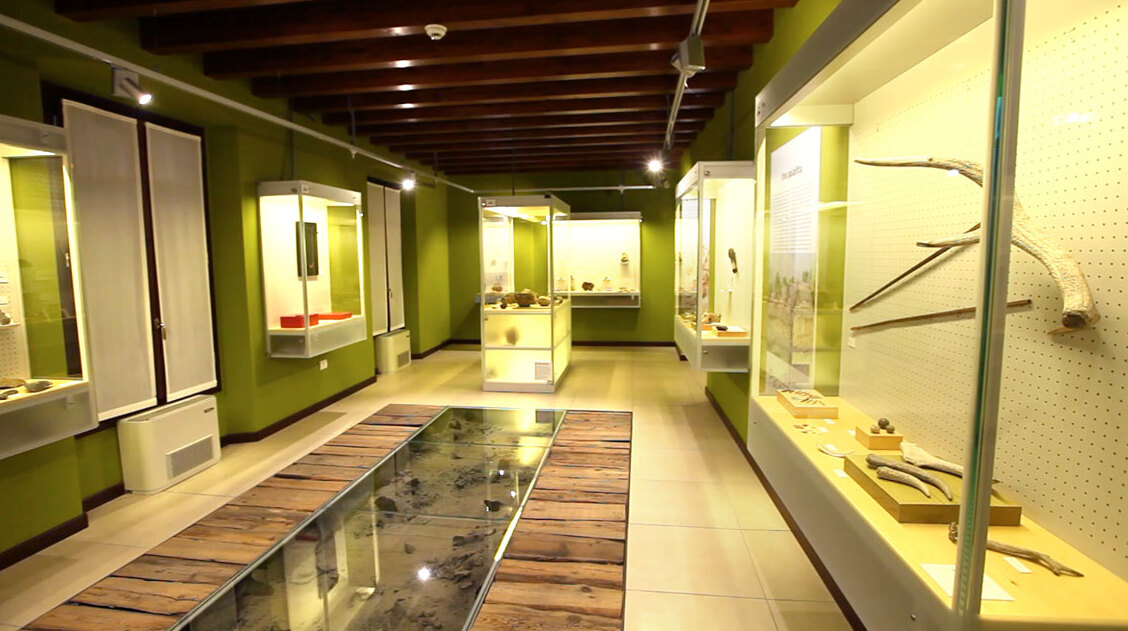
A new wing has recently been added to the historical seat of the Platina Archaeological Museum, housed in the Gerolamini convent, which also houses the town hall, in a recently renovated building owned by the Myriam and Pierluigi Vacchelli Foundation. The museum, opened to the public in 1970, was created in order to show the extraordinary archaeological richness of the territory of Piacenza and Casalasco, already known in the 19th century for a series of important discoveries. Since then the collections have been enriched thanks to the numerous excavation campaigns directed on the territory by superintendence, universities and museums. The exhibition proceeds from the Upper Palaeolithic to the High Middle Ages. The section dedicated to the Ancient Neolithic (VI millennium B.C.) is particularly rich, thanks above all to the excavations at Campo Ceresole, a typical settlement of the Vho Culture. Among the numerous materials found there we can remember the famous two-headed statuette. The Copper Age is represented by burial burials in a crouching position. Ample space is dedicated to the great settlements of the Bronze Age (2nd millennium B.C.), such as the pile-dwelling settlement of the Lagazzi del Vho, recently inscribed on the UNESCO World Heritage List. The Roman period is well documented by exceptional isolated finds, such as the monumental stele of Tornata, and the rich collection of materials from Bedriacum, in the municipality of Calvatone. From here comes the famous mosaic of the labyrinth, emblem of a floor of the domus of the same name.

🗺 AI Trip Planner

Plan your visit to Piadena

Suggested itinerary near Platina Archaeological Museum

MAJ+
500.000+ travelers worldwide
  1. 🌅
    Morning
    Platina Archaeological Museum
    📍 Piadena
  2. ☀️
    Afternoon
    St. Stephen's Cathedral
    📍 16.1 km · Piadena
  3. 🌆
    Evening
    Lombardy | Bijou Museum
    📍 16.5 km · Piadena

Buy Unique Travel Experiences

Powered by Viator

See more on Viator.com

Explore nearby · Piadena

Frequently Asked Questions

The Platina Archaeological Museum is housed in the Gerolamini convent in Platina, Italy, a historic building that also contains the town hall and is owned by the Myriam and Pierluigi Vacchelli Foundation. The museum opened to the public in 1970 and recently expanded with a new wing, showcasing the extraordinary archaeological richness of the Piacenza and Casalasco territories.
Notable artifacts include the famous two-headed statuette from the Ancient Neolithic period (VI millennium B.C.), discovered at Campo Ceresole, and the monumental stele of Tornata from the Roman period. The museum also features the renowned labyrinth mosaic from Bedriacum, which once decorated the floor of a Roman domus and is considered one of the most exceptional finds from the region.
The museum's exhibition spans from the Upper Palaeolithic through the High Middle Ages, with particularly rich sections dedicated to the Ancient Neolithic (VI millennium B.C.), the Copper Age with crouching burials, extensive Bronze Age materials including the UNESCO-listed pile-dwelling settlement of Lagazzi del Vho, and well-documented Roman period discoveries. This comprehensive chronological approach showcases the continuous human settlement in the region over thousands of years.
Yes, the museum's collections have been continuously enriched through numerous excavation campaigns directed by superintendence, universities, and museums on the surrounding territory. Major discoveries include the Neolithic settlement at Campo Ceresole and Bronze Age sites like the Lagazzi del Vho pile-dwelling settlement, which was recently inscribed on the UNESCO World Heritage List.
The Bronze Age section features extensive materials from significant settlements, most notably the pile-dwelling settlement of Lagazzi del Vho from the 2nd millennium B.C., which represents such an important archaeological site that it was recently inscribed on the UNESCO World Heritage List. These well-preserved remains provide exceptional insight into Bronze Age life and settlement patterns in the Piacenza region.
