
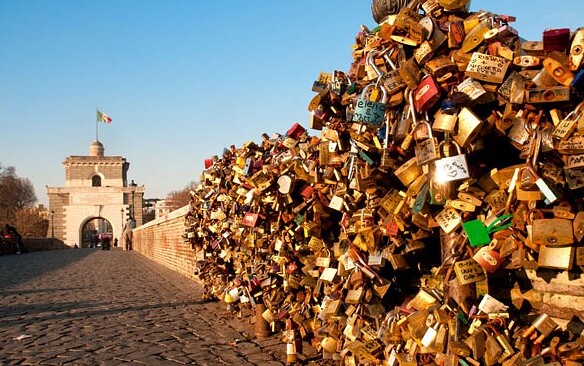

In the heart of Rome, where history whispers through ancient stones, stands Ponte Milvio, a testament to time and transformation. This iconic structure, often overshadowed by Rome's grander monuments, holds stories as enduring as the city itself. Built around 200 BC, Ponte Milvio is not just a bridge; it is a cornerstone of Roman history and culture, where the past and present seamlessly blend.
The origins of Ponte Milvio trace back to the consul Gaius Claudius Nero, who commissioned it as a vital crossing over the Tiber River. Over centuries, it became more than a mere passageway; it was a stage for pivotal moments in Roman history. Most famously, in 312 AD, Constantine the Great defeated Maxentius at the Battle of the Milvian Bridge, leading to the rise of Christianity as the dominant faith of the Roman Empire. This victory, under the symbol of the Christian Chi-Rho, marked a turning point that would forever alter the religious landscape of the world.
Architecturally, Ponte Milvio showcases the enduring beauty of Roman engineering. The bridge is a blend of ancient Roman and medieval influences, with its sturdy stone arches and decorative towers standing as a testament to the craftsmanship of its builders. Though the bridge has undergone numerous restorations, it retains the elegance of its original design. Notably, its southern tower, redesigned in the 19th century by architect Giuseppe Valadier, adds a touch of neoclassical grace, reflecting Rome’s layered history.
Beyond its historical significance, Ponte Milvio has woven itself into the fabric of local culture. It gained contemporary fame as a romantic landmark, thanks to the tradition of attaching padlocks to its lampposts—a practice popularized by young lovers inspired by Federico Moccia's novel "I Want You." This ritual, though recently curtailed to preserve the bridge, echoes the eternal theme of love that Rome is renowned for.
The area surrounding Ponte Milvio is vibrant with cultural life. Locals gather here for the lively market days, where fresh produce and artisanal goods are sold in a bustling atmosphere reminiscent of ancient Roman forums. The bridge also hosts various festivals, particularly in summer, when music fills the air during the popular "Estate Romana" events, celebrating the rich cultural tapestry of the city.
No visit to Ponte Milvio would be complete without indulging in Rome's famed gastronomy. The nearby neighborhoods offer a taste of authentic Roman cuisine. Visitors can savor cacio e pepe, a simple yet delectable pasta dish made with Pecorino Romano cheese and black pepper, or supplì, a traditional Roman street food of rice balls stuffed with mozzarella. Pair these with a glass of local Frascati wine for a truly Roman experience.
For those seeking lesser-known curiosities, Ponte Milvio harbors secrets beneath its arches. It's said that beneath the bridge, hidden in the river’s depths, lie remnants of ancient Roman vessels, offering a glimpse into the commercial heart of ancient Rome. Additionally, the bridge’s proximity to the site of the former Olympic Stadium evokes memories of the 1960 Summer Olympics, when athletes from around the world gathered in Rome, uniting nations through sport.
Practical advice for visitors: the best time to explore Ponte Milvio is during the early morning or late afternoon, when the sunlight casts a golden glow on the Tiber and the city awakens with a gentle hum. This is when the bridge is most serene, allowing for leisurely strolls and reflective moments. Be sure to look for the inscriptions and plaques that recount its storied past. For a unique perspective, consider renting a bicycle to explore the adjacent riverside paths, offering stunning views of the bridge and the lush landscape that surrounds it.
In the ever-evolving city of Rome, Ponte Milvio remains a steadfast symbol of continuity and change. Whether you are a history enthusiast, an architecture aficionado, or simply a traveler in search of authenticity, this bridge invites you to walk through time, connecting the Rome of emperors with the Rome of today.


